
Balance scooter
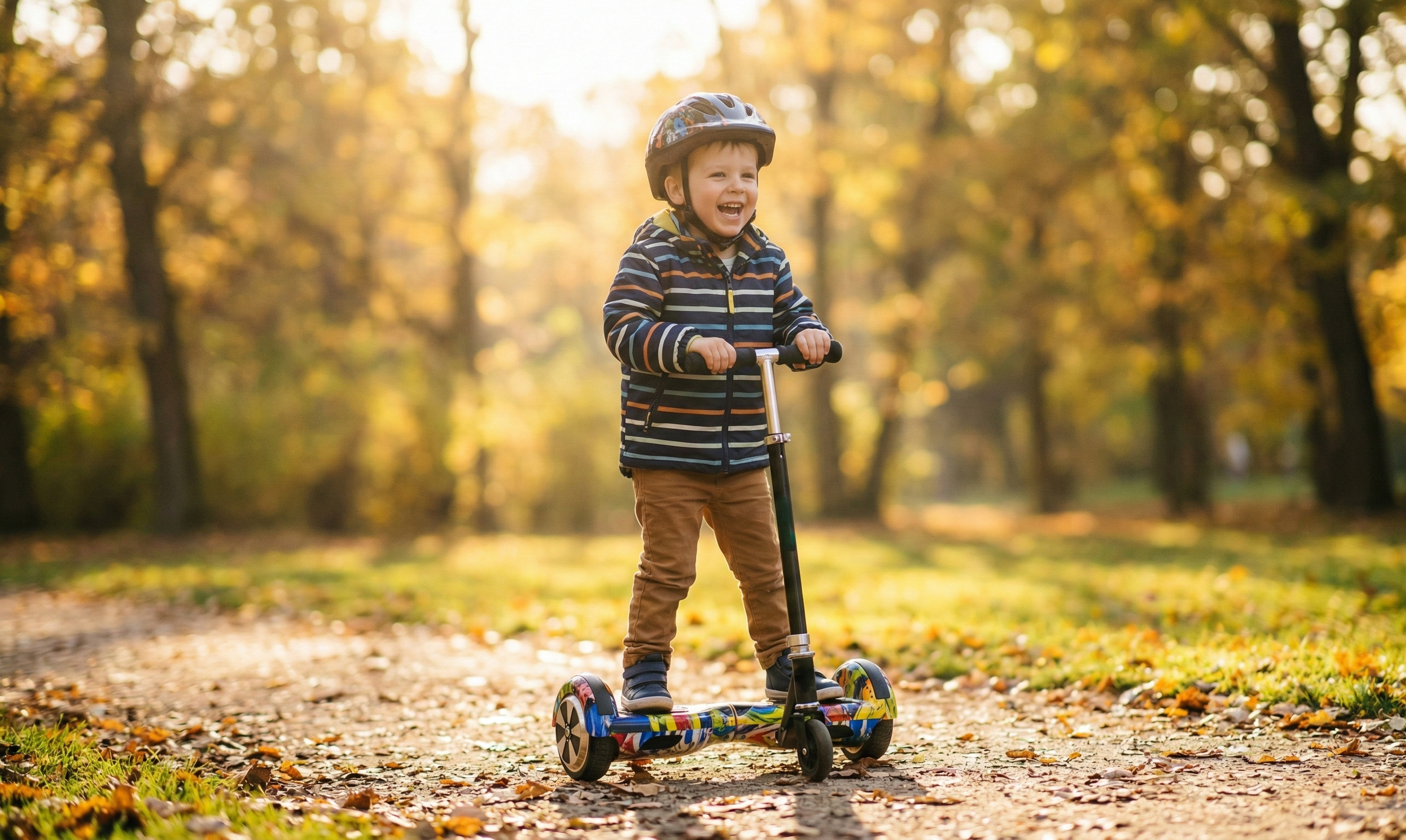 A balance scooter, often referred to as a hulajnoga balansowa, is a creative mode of transportation that enables users to glide by shifting their weight. Riders simply stand on a platform and steer by leaning, making it an entertaining way for kids to enhance their motor skills and improve their balance.
This unique one-wheeled gadget not only encourages physical activity but also fosters coordination and stability—crucial skills for young children as they develop. Balance scooters are gaining traction as popular recreational devices because they blend fun with valuable learning opportunities. They promote outdoor play and exercise, all while offering a delightful way for kids to learn through movement.
- enhances motor skills,
- improves balance,
- fosters coordination,
- encourages physical activity,
- promotes outdoor play.
Definition of a Balance Scooter
A balance scooter, often referred to as a hulajnoga balansowa, is a contemporary ride designed specifically for kids. Its main goal is to assist young ones in honing their balance and coordination abilities. With a robust build and adjustable handlebars, it ensures safety while empowering children to master the art of balancing.
This clever scooter lets riders propel themselves forward just by shifting their weight. By standing on the platform and leaning to steer, kids find the learning process both enjoyable and engaging, all while developing vital motor skills. Beyond encouraging physical activity, balance scooters play a significant role in helping children improve their overall stability and coordination through fun-filled outdoor adventures.
- designed for kids,
- enhances balance and coordination,
- robust build for safety,
- adjustable handlebars for comfort,
- encourages active play and motor skills development.
How Does a Balance Scooter Work?
A balance scooter operates by enabling riders to shift their weight for movement control. Standing on a platform, users can steer the scooter simply by leaning in various directions. This innovative balance system not only sharpens motor skills but also enhances overall coordination.
When a rider leans forward, they accelerate; leaning back slows the scooter down or halts it completely. The instinctive act of balancing fosters essential skills such as:
- stability,
- vehicle control,
- coordination.
This adds an element of fun to riding while significantly supporting physical development, particularly for children as they learn to explore their surroundings.
In addition, balance scooters promote active play. They inspire kids to engage with their environment while honing their balancing abilities. With consistent practice, riders become adept at:
- steering,
- managing speed,
- boosting confidence in their physical capabilities.
Balance Scooter – Who Is It For?
A balance scooter is primarily tailored for kids between the ages of 3 and 8, although there are options available for older children and even adults. When selecting the right balance scooter, it’s essential to consider both the child’s age and their skill level to ensure a safe and enjoyable experience.
For younger riders, three-wheeled scooters are typically the most suitable choice. These models provide added stability, making them ideal for beginners who are still developing their coordination and balance. As kids grow more confident in their abilities, they can transition to two-wheeled scooters that offer greater agility and speed.
It's also important to assess each child's physical capabilities. Some may be ready for a more advanced scooter sooner than others based on their motor skills. Parents should closely supervise early rides until their child becomes adept at handling the scooter on their own.
Overall, balance scooters serve as excellent tools for promoting physical activity among young riders. They not only enhance balancing skills but also create opportunities for fun outdoor play.
Child’s Age and a Balance Scooter
Finding the perfect balance scooter for your child requires thoughtful consideration of their age. For little ones between 3 and 5 years old, three-wheeled scooters are an excellent choice. These models provide enhanced stability and support, which helps young riders learn to balance more effectively. Many of these scooters also include safety features designed to boost confidence while children develop essential motor skills. As kids grow and their abilities advance, typically around ages 6 to 8, they can transition to two-wheeled balance scooters. These options offer greater agility and speed, encouraging even more coordination and balance development. Nevertheless, it’s crucial for parents to assess their child's comfort level and skills before making this switch. Ultimately, selecting a balance scooter that aligns with your child's age not only ensures their safety but also enriches their learning experience through playtime adventures.Balance Scooters for Toddlers
Three-wheeled scooters are a fantastic option for young children due to their stability and emphasis on safety. Designed specifically for toddlers aged 3 to 5 years, these scooters play a crucial role in helping little ones develop balance and coordination while ensuring their safety.
The three-wheel configuration significantly increases stability, making it easier for toddlers to maintain their balance as they ride. This is especially important during the early stages of mastering motor skills. Additionally, features like:
- wide bases help prevent tipping,
- a lower center of gravity reduces the likelihood of falls,
- ergonomic designs promote comfortable riding.
These scooters also encourage outdoor activity, allowing kids to enjoy themselves while staying active. Engaging in active play not only contributes to physical development but also fosters social interactions as children ride alongside one another.
When selecting a three-wheeled scooter, parents should consider options with:
- adjustable handlebars,
- sturdy materials,
- lightweight design for easy transport,
- bright colors to attract children's attention,
- easy-to-use brakes for added safety.
With appropriate supervision and careful selection of models, these balance scooters can provide an enjoyable experience that enhances both safety and developmental growth for young riders.
Benefits of Riding a Balance Scooter
Riding a balance scooter offers numerous advantages that significantly contribute to children's physical growth and motor skills. One major benefit is the enhancement of coordination. As kids learn to steer and maneuver by shifting their weight, they engage various muscle groups, which in turn heightens their overall body awareness.
Moreover, balance scooters are essential for improving stability. Riders must maintain their balance while in motion, which helps strengthen core muscles vital for keeping equilibrium in different activities. This improved stability often translates into better performance in sports as well as everyday movements.
In terms of strength, regularly riding a balance scooter effectively works the legs and core muscles. As children push off the ground and find their center of gravity, they gradually build muscle tone and endurance.
Additionally, using a balance scooter is an enjoyable way for kids to stay active outdoors. While scooting around, children can interact with friends, which nurtures social skills through shared experiences and teamwork during playtime.
Incorporating a balance scooter into children's daily routines not only promotes physical fitness but also aids in developing motor skills—all while having fun. This makes it an ideal option for parents eager to encourage an active lifestyle for their little ones.
Motor Development and Coordination
Riding a balance scooter offers an exciting way for children to enhance their motor skills and coordination. This enjoyable activity activates various muscle groups, particularly in the core and legs. As kids navigate their scooters, they learn how to shift their weight, which plays a crucial role in developing better balance.
The process of steering and maintaining stability while moving helps build vital coordination skills that are beneficial for various physical activities. Additionally, children cultivate a heightened sense of body awareness, which can positively impact their performance in sports and daily tasks. Consistent use of a balance scooter not only strengthens muscles but also improves endurance.
On top of that, riding a balance scooter promotes outdoor play. This fosters an active lifestyle and encourages social interaction among friends. When kids ride together, they naturally develop teamwork and communication abilities. Integrating balance scooters into children's routines can lead to significant improvements in their motor development and coordination skills.
- enhances motor skills,
- improves coordination,
- develops better balance,
- increases body awareness,
- promotes teamwork and communication.
Learning to Maintain Balance
Finding balance on a scooter is a vital milestone in a child's development. It empowers them to gain independence and boosts their self-assurance. Once they master this skill, children can navigate their environment with greater ease. As kids ride balance scooters, they explore essential principles of equilibrium. They learn how to shift their weight for better steering and movement, which significantly enhances their sense of balance—a key component of physical coordination. With improved steadiness in motion, young riders often feel inspired to tackle more challenging terrains and activities. Additionally, riding a balance scooter plays a significant role in developing motor skills. It activates various muscle groups, particularly in the legs and core, contributing to increased strength and endurance essential for overall fitness. As children sharpen their balancing abilities, they also cultivate heightened body awareness that translates well into other sports and leisure activities. Moreover, this journey toward maintaining balance nurtures self-sufficiency in young riders. The obstacles they encounter while scooting teach them valuable lessons in perseverance and resilience; each fall or wobbly moment becomes an opportunity for growth. Such experiences can enhance their problem-solving skills across different aspects of life. In essence, mastering the skill of balancing on a scooter not only supports physical growth but also plays an integral role in fostering independence and confidence among children.Physical Activity and Fun
Getting active with a balance scooter is an exciting way for kids to enjoy the great outdoors. Known as hulajnoga balansowa, this fun ride not only entertains but also offers significant health advantages. As children zip around on these scooters, they enhance their motor skills and coordination.
Gliding on a balance scooter helps youngsters build core strength while mastering the art of balancing. This playful mode of transport engages several muscle groups, particularly in the legs and core, which contributes to their overall physical fitness. Such active play fosters stability and invites kids to explore their surroundings.
Moreover, there are valuable social benefits that come with riding a balance scooter:
- kids often ride together,
- fostering friendships and teamwork as they navigate their environment side by side,
- these interactions enhance social skills,
- create shared memories,
- enrich their childhood experiences.
Riding a balance scooter is a fantastic way for children to stay physically active while enjoying themselves outdoors. It promotes healthy growth by improving motor skills, boosting coordination, and encouraging social interaction—all essential elements of childhood development.
A Balance Scooter as a Child’s First Ride
A balance scooter serves as an exciting first ride for kids, offering a multitude of advantages that support their physical and motor skill growth. As children navigate this fun mode of transportation, they enhance their balance and coordination while discovering the world around them.
One of the standout benefits of a balance scooter is its role in teaching kids how to maintain their equilibrium. By standing on the platform and adjusting their weight to steer, young riders work on stabilizing their bodies. This fundamental skill sets the stage for future activities such as biking or skating.
Moreover, riding a balance scooter encourages active play, transforming exercise into an enjoyable experience rather than a tedious task. Kids can venture through outdoor areas, which not only improves their fitness but also fosters social interactions with peers. Through shared adventures, they form friendships and develop important teamwork skills during group outings.
Additionally, using a balance scooter can significantly boost a child's self-esteem. As they become proficient at balancing, they gain independence in movement and are inspired to take on new challenges or navigate different terrains with confidence.
In essence, incorporating a balance scooter into your child's routine provides more than just fun; it equips them with essential developmental skills that will serve them well throughout childhood and beyond. It's an ideal option for parents eager to offer their kids an engaging way to improve physical abilities while embarking on outdoor adventures together.
How Does a Balance Scooter Support Future Skills?
Riding a balance scooter plays a significant role in helping children cultivate essential skills for their future. As they glide along, kids enhance abilities that are crucial for activities like biking and traditional scooting. The act of balancing on a scooter not only sharpens their motor skills but also fosters coordination and stability through hands-on practice.
When children maneuver a balance scooter, they learn how to shift their weight effectively, an important skill for maintaining balance and navigating turns. This experience not only boosts their confidence but also sets the stage for tackling more complex physical challenges down the road. By mastering these fundamental skills early on, kids establish a solid foundation that supports their growth in various sports and other physical activities.
Moreover, balance scooters turn exercise into an enjoyable adventure. They give children the freedom to explore their environment while enhancing their body awareness. Riding outdoors also encourages social interactions as kids come together, promoting teamwork and communication skills. In essence, using a balance scooter provides children with vital competencies that prepare them to face diverse physical challenges as they mature.
An Introduction to Riding a Classic Scooter
Riding a classic scooter, often called a hulajnoga, offers children a delightful way to master balance and maneuvering on two wheels. These scooters play a crucial role in nurturing essential skills that contribute to their overall physical development. As kids learn to ride, they enhance their balance and coordination—abilities that prove valuable in various facets of life.
When youngsters first hop onto a classic scooter, they usually start on smooth, flat surfaces. This setting allows them to concentrate on finding their balance. This early experience is vital; it teaches them how to shift their weight while steering effectively. By leaning forward or backward, not only do they propel the scooter, but they also improve their stability—an essential aspect of safe riding.
As kids gain confidence, they often venture into different terrains and experiment with varying speeds. This exploration adds excitement to riding and challenges them to maintain balance in diverse conditions. Engaging in such active play enhances muscle strength and endurance, particularly in their legs and core.
Moreover, learning to ride a classic scooter fosters social interaction among peers. Children frequently ride together at parks or around the neighborhood, creating opportunities for teamwork and shared experiences that help sharpen their social skills.
Overall, riding a classic scooter is an excellent way for kids to cultivate vital motor skills while enjoying time outdoors. Through practice and exploration, these young riders build confidence and independence that will serve them well in future physical activities.
Safety and Design of a Balance Scooter
Safety is a crucial factor when it comes to balance scooters, often referred to as hulajnogi balansowe. Well-crafted models adhere to safety standards and are made from sturdy materials that ensure reliable performance during use. A solid design plays a significant role in preventing accidents, particularly for young riders who are still developing their coordination skills.
Most balance scooters feature non-slip foot platforms, which enhance grip and stability while riding. Furthermore, many designs incorporate key safety elements like:
- user-friendly brakes,
- adjustable handlebars that can adapt as children grow taller.
The materials chosen should be both lightweight yet robust enough to withstand daily wear without compromising safety.
Riders benefit from thoughtfully designed scooters that promote balance through an intuitive steering mechanism. By leaning to steer, kids improve their body control while maintaining stability on the scooter. This clever design not only encourages safe riding but also boosts their confidence as they tackle different surfaces.
In essence, prioritizing safety and smart design in balance scooters significantly enriches the riding experience for children while minimizing the chances of falls or mishaps. Parents searching for the best options should look for models that emphasize these vital features in their construction.
Stability and Durability
A well-crafted balance scooter, often referred to as a hulajnoga balansowa, is crucial for both safety and enjoyment while riding. Its design promotes stability, enabling young riders to maintain their balance effortlessly as they move along various terrains. This sense of security allows kids to explore confidently.
Equally important is the scooter's durability. A robust scooter can withstand everyday use without compromising its performance. High-quality materials, such as:
- reinforced plastics,
- aluminum frames,
- lightweight yet sturdy structures.
These materials endure wear and tear over time, effectively supporting children.
Safety features significantly contribute to the overall stability of the scooter. Consider the following:
- non-slip foot platforms enhance grip during rides,
- adjustable handlebars adapt as the child grows.
These features ensure a comfortable fit that fosters safe riding experiences.
Ultimately, selecting a balance scooter that emphasizes stability and durability not only boosts safety but also instills confidence in young riders. As they hone their balancing skills through fun outdoor activities, they'll feel increasingly secure on their scooters.
EN71 Safety Standards
Ensuring that balance scooters meet EN71 safety standards is crucial for making them safe for children. These regulations outline specific criteria that manufacturers must adhere to, creating a secure riding experience tailored for young riders.
The EN71 standards tackle several key safety factors:
- specify the types of materials used,
- ensure the overall sturdiness of the scooter,
- incorporate design features aimed at minimizing risks.
For example, balance scooters should be constructed from non-toxic materials that are free from harmful substances, prioritizing children's health. Additionally, the design must avoid entrapment risks and guarantee that components can withstand everyday use without breaking or creating hazards.
By adhering to EN71 standards, manufacturers can provide reassurance to parents regarding their children's safety while riding these scooters. Compliance not only enhances product reliability but also gives caregivers confidence in preventing potential injuries.
Recognizing the significance of EN71 safety standards empowers parents to make informed decisions when choosing a balance scooter for their kids. Ensuring adherence to these guidelines is vital for fostering a safe environment during outdoor play and supporting children's growth through fun activities.
Non-Slip Deck and Adjustable Handlebar
The non-slip deck and adjustable handlebar are essential elements that significantly enhance comfort and safety when using a balance scooter. A sturdy, non-slip foot platform provides a reliable grip during rides, which is particularly crucial for younger riders who are still developing their coordination and balance skills.
The ability to adjust the handlebars to different heights ensures that the scooter can grow with the child. This adaptability not only improves comfort but also promotes proper posture, contributing to a safer riding experience. Together, these features empower riders to confidently navigate various terrains, making the activity both enjoyable and beneficial for skill development.
By incorporating a non-slip deck alongside adjustable handlebars, the overall riding experience becomes much more stable and versatile. This combination allows for better control, simplifying the learning process of important skills like steering and balancing. As children ride their scooters equipped with these thoughtful features, they gain confidence in their abilities while having fun outdoors.
Choosing a Balance Scooter – What to Look For
When it comes to selecting a balance scooter, there are several key factors that can significantly improve your riding experience. Start by considering the type of scooter that best aligns with your needs. Generally, balance scooters are available in two designs:
- three-wheeled scooters provide enhanced stability, making them ideal for beginners or younger riders between 3 to 5 years old,
- two-wheeled scooters offer more agility and speed, catering to older children who are gaining confidence.
Next, take a closer look at the materials used in constructing the scooter. Opting for high-quality materials such as reinforced plastics or aluminum frames not only ensures durability but also keeps the scooter lightweight for easier handling. This combination is crucial for both safety and longevity, especially since kids tend to use their scooters frequently.
Another important factor is the additional features that can boost comfort during rides. Consider models with:
- adjustable handlebars that can adapt as your child grows taller,
- non-slip foot decks that provide better grip and stability while riding.
These are essential elements for maintaining balance and promoting proper posture, enhancing overall riding comfort.
Lastly, don’t overlook any safety features integrated into the design of the balance scooter. User-friendly brakes and robust construction play a vital role in preventing accidents during use. By focusing on these aspects, you’ll create a safer environment for young riders while also enhancing their enjoyment and confidence as they navigate this exciting form of transportation.
By taking these considerations into account—scooter type, material quality, comfort-enhancing features, and safety measures—you'll be well-equipped to make an informed choice when picking out a balance scooter that meets your child's needs while enriching their playtime experiences.
Types of Balance Scooters
Balance scooters come in a variety of designs, each tailored to suit different needs and tastes. By exploring these options, parents can select the perfect ride for their children.
- Three-wheeled scooters provide added stability, making them an excellent choice for beginners or younger riders aged 3 to 5 years,
- Two-wheeled scooters are better suited for older kids who already have some riding experience, offering greater maneuverability and speed for children aged 6 and up,
- Electric scooters are equipped with motorized features, presenting an exhilarating choice for older children and teenagers seeking a quicker ride.
Electric scooters often come with essential safety features such as lights and dependable braking systems, ensuring a secure yet thrilling experience.
Ultimately, whether opting for three-wheeled scooters for extra stability, two-wheeled varieties for nimbleness, or electric models for that adrenaline rush depends on the child's age, skill level, and personal preferences. This way, kids can have a fun-filled and safe riding adventure.
Materials and Build Quality
A balance scooter, often referred to as a hulajnoga balansowa, should be crafted from high-quality materials to ensure safety and longevity. Typically, manufacturers opt for PU (polyurethane) and PVC due to their strength and flexibility, which are essential for a reliable scooter that can withstand regular use without sacrificing performance. The selection of these materials significantly influences the scooter's durability. For example, PU is known for its excellent shock absorption properties and resistance to wear, making it ideal for outdoor adventures. Conversely, PVC offers a lightweight yet sturdy option, allowing children to easily maneuver the scooter while ensuring it remains robust during rides. Design details play a vital role in enhancing overall quality. Features such as:- non-slip foot decks that provide added stability by delivering better grip for young riders,
- adjustable handlebars that cater to growing children,
- comfortable riding posture that enhances the overall experience.
Extra Features – LED Light-Up Wheels
LED light-up wheels truly set balance scooters apart. Not only do they make the scooters more visually appealing, but they also enhance safety. These vibrant wheels illuminate the ride, ensuring better visibility in low-light situations. This feature is particularly beneficial for children who may be riding during dusk or beneath trees, as the bright lights help pedestrians and drivers spot them more easily.
The presence of LED wheels significantly increases a scooter's charm. Kids are often attracted to colorful elements, which can motivate them to spend more time outdoors and engage in physical activity. As they glide along with their dazzling wheels spinning, each ride becomes an exhilarating adventure filled with joy.
Moreover, these illuminated features can boost young riders' confidence by making them feel more visible during their outdoor escapades. The combination of fun and functionality that LED light-up wheels offer makes them an essential enhancement for any balance scooter.
Balance Scooters – Trends and Design
The contemporary design of balance scooters, often referred to as hulajnogi balansowe, captivates both kids and their parents. Available in a plethora of colors and styles, these scooters offer a chance for personal expression while ensuring practicality. The modern appearance is particularly appealing to young riders and guardians who are on the lookout for safe recreational activities for their children.
Current trends in balance scooter aesthetics emphasize vibrant hues and distinctive shapes, making them visually appealing. Manufacturers are striving to merge comfort with style, highlighting that usability is just as vital as the scooter's overall look. Features such as:
- non-slip decks,
- adjustable handlebars,
- user-friendly brakes,
- robust frames,
- durable materials like reinforced plastics or aluminum.
These not only enhance the riding experience but also contribute to the scooter’s streamlined design.
Safety remains paramount throughout the design process. This meticulous focus on safety ensures a secure ride, allowing children to build confidence as they venture out into their environments.
As children's preferences evolve, so too do the designs of balance scooters. A trendy addition is LED light-up wheels; these not only heighten excitement but also boost visibility during low-light conditions. Such features encourage outdoor play by making rides more thrilling and engaging.
Ultimately, contemporary balance scooters blend appealing designs with essential safety elements. By offering colorful choices that foster individuality along with sturdy construction for long-lasting use, these scooters continue to be a favored option for energetic youngsters eager for adventures on wheels.
Modern Balance Scooter Design
Modern balance scooters, often referred to as hulajnogi balansowe, are designed with both function and style in mind. This appealing combination makes them especially popular among children. With their bright colors and imaginative shapes, these scooters not only look fantastic but also fulfill practical needs.
The user experience is paramount in their design. Consider the following features:
- non-slip decks provide excellent grip,
- adjustable handlebars ensure a comfortable ride as kids grow taller,
- robust frames crafted from strong materials like reinforced plastics or aluminum enhance safety,
- light structure makes them easy for young riders to manage,
- effective braking systems create a secure riding experience.
Recent trends in scooter design have introduced exciting features such as LED light-up wheels. These elements not only grab attention but also boost visibility during low-light conditions, encouraging children to enjoy outdoor play even after sunset.
Overall, modern balance scooters seamlessly blend attractive designs with crucial safety features and functional aspects. This thoughtful approach inspires kids to be active and relish their time outdoors.
Available Colors and Style
The vast array of colors and styles for balance scooters, often referred to as hulajnogi balansowe, allows kids to select a ride that truly reflects their unique personalities. This personal touch not only enhances the fun of riding but also encourages self-expression.
Balance scooters are available in an exciting palette of hues including:
- blue,
- pink,
- red,
- green,
- yellow.
These lively colors appeal to young riders who tend to gravitate towards vibrant shades that mirror their character. Additionally, several models feature eye-catching designs with patterns or graphics that can captivate children even more.
In terms of style, these scooters come in various configurations:
- Three-wheeled models offer extra stability, making them perfect for younger kids just getting the hang of balancing,
- Two-wheeled versions provide greater agility for those who have developed their skills and seek a more dynamic ride.
Ultimately, this rich variety in colors and designs empowers children to choose balance scooters that resonate with their individuality while significantly enhancing their overall riding experience.