
Electric or traditional scooter for a teenager
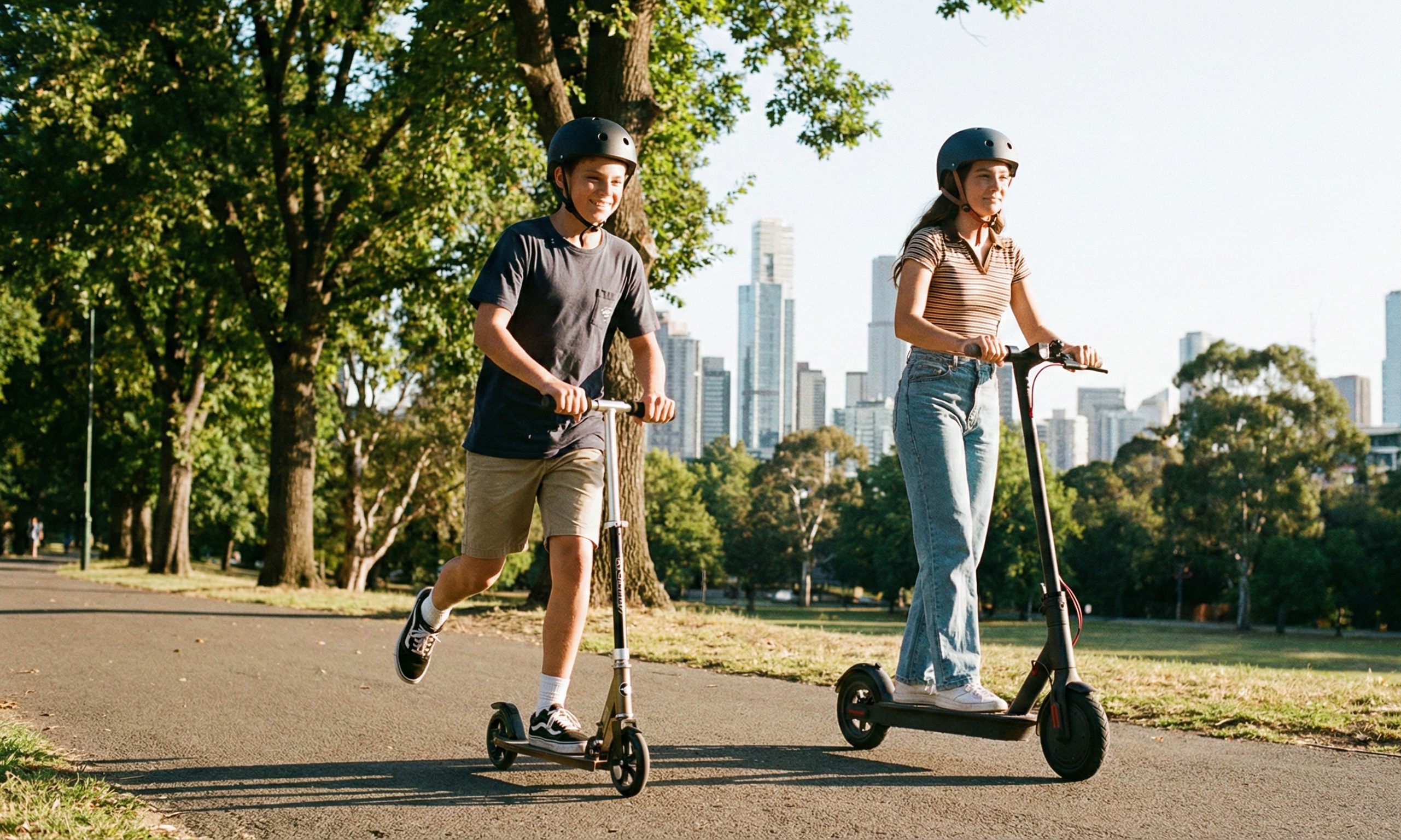 When deciding between electric and traditional scooters for teenagers, consider the following key aspects:
- assess the teenager's riding experience,
- evaluate how the scooter will be utilized,
- prioritize safety features,
- consider your budget,
- check local regulations.
Assess the teenager's riding experience: a skilled rider might relish the thrill of an electric scooter’s speed, while someone just starting out could find a traditional scooter more manageable and easier to control.
Evaluate how the scooter will be utilized: if it’s primarily for getting to school, an electric option offers the advantage of faster travel with less physical exertion. However, if it's all about leisurely rides through parks or neighborhoods, either choice can be enjoyable based on individual taste.
Prioritize safety features: electric scooters often come equipped with advanced braking systems and lights that enhance visibility during nighttime rides. In contrast, traditional scooters usually depend on manual brakes but can still offer safety when chosen thoughtfully.
Consider your budget: electric scooters generally have a higher upfront cost due to their technology and batteries. Your financial plan will influence whether you opt for a more economical traditional model or invest in an electric scooter that may ultimately save time over the years.
Check local regulations: some regions impose age limits and speed caps that could affect your selection. Being aware of these guidelines ensures safe and responsible riding experiences for teenagers.
Benefits of Electric Scooters for Teenagers
Electric scooters have become increasingly popular among teenagers, and it's easy to see why. One of their standout features is speed. With the ability to move faster than traditional scooters, they are perfect for teens who need to rush to school or catch up with friends in a hurry.
Another appealing aspect is their portability. Generally lightweight and easy to handle, electric scooters can be effortlessly carried and stored. This convenience allows young riders to maneuver through bustling city streets with ease, seamlessly fitting into their everyday routines.
From an environmental perspective, these scooters are a great choice as they are eco-friendly. They generate significantly less pollution compared to cars and gas-powered vehicles. By opting for electric scooters, teenagers not only enjoy a fun ride but also contribute to reducing their carbon footprint and promoting sustainable travel options.
Safety features have also come a long way in modern electric scooters. Many models include essential enhancements like:
- LED lights,
- regenerative braking systems,
- improved visibility,
- better control during rides,
- enhanced safety in dim conditions.
With their impressive combination of speed, portability, eco-friendliness, and enhanced safety features, electric scooters present an excellent transportation solution for teenagers seeking efficient and enjoyable ways to get around.
Speed and Performance
Electric scooters are designed for speed and performance, making them a popular choice among teenagers. Depending on the model and motor type, these scooters can achieve maximum speeds of 15 to 20 mph. This rapid acceleration allows teens to navigate their routes efficiently, significantly cutting down on commute times.
Another key aspect is ride time; many electric scooters can operate for about 30 to 40 minutes on a single charge, which is typically sufficient for everyday use. With various throttle options available, including thumb throttles and twist grips, riders can easily manage their speed for a more enjoyable experience.
Moreover, the type of motor—whether hub-driven or mid-drive—greatly influences overall performance:
- hub motors are favored in many electric scooters due to their straightforward design and efficiency,
- mid-drive motors excel when it comes to providing torque needed for climbing steep inclines.
Overall, electric scooters present impressive speeds along with customizable features that cater well to teenage riders seeking reliable transportation options.
Battery Life and Portability
Battery life is crucial for electric scooters, directly influencing how far teens can travel on a single charge. Most models offer around 30 to 40 minutes of continuous use, although this can fluctuate depending on factors like the rider's weight and the terrain they navigate. Typically, this duration is more than adequate for daily commutes, allowing teenagers to get to school or visit friends without the hassle of frequent recharges.
Portability also plays an important role in the appeal of electric scooters. Constructed from lightweight materials and often featuring foldable designs, these scooters are easy to carry and store. Weighing between 25 and 35 pounds on average makes them manageable for users who need to lift them onto public transport or find a cozy spot for storage at home.
When combined, impressive battery life and portability significantly enhance the riding experience for teenagers. This combination allows for greater freedom in travel while ensuring that riders can fully enjoy their trips without the constant concern of losing power unexpectedly.
Safety Features
Safety features are essential for electric scooters, significantly enhancing the riding experience for young riders. One of the standout elements is reliable brakes, which play a critical role in preventing accidents and providing better control during rides. Nowadays, many scooter models are equipped with advanced braking systems that deliver superior stopping power compared to traditional manual brakes found on standard scooters.
Another important safety component is LED headlights, which greatly improve visibility. This is particularly valuable for teens who ride during low-light conditions like early mornings or evenings when it can be difficult to see clearly. Additionally, reflective elements on the scooter help increase awareness among other road users, further ensuring the rider's safety.
Protective gear also plays a vital role in promoting safe riding habits. Accessories such as:
- helmets protect against head injuries that could occur during falls or collisions,
- knee pads guard sensitive joints from scrapes and bruises.
Encouraging teenagers to wear these safety accessories alongside their electric scooters fosters a sense of responsibility as they navigate their surroundings.
In essence, prioritizing safety features—like enhanced braking systems and effective lighting—coupled with the use of appropriate protective gear makes riding electric scooters a safer activity for teenagers.
Advantages of Traditional Scooters for Teenagers
Traditional scooters have gained immense popularity among teenagers, thanks to their many benefits as a personal transportation option.- promotes physical activity, riding one engages multiple muscle groups and enhances cardiovascular fitness, encouraging a healthier lifestyle for teens,
- affordability, traditional scooters typically come at a lower price point compared to electric models, leading to considerable savings over time,
- lightweight design, making them easy to handle in busy environments or during short trips,
- fosters balance and coordination skills, as teenagers practice, they refine their motor abilities, which contributes positively to their overall physical development,
- user-friendly nature, proving particularly useful in urban settings where maneuvering through crowds and tight spaces is often necessary.
Cost-Effectiveness
When it comes to choosing a scooter, traditional models stand out as a budget-friendly option for both parents and teens. Generally, they come with a lower price tag than their electric counterparts, allowing families to save money on expenses such as charging and maintenance. For those watching their wallets, these scooters offer dependable transportation without the added financial burden that often accompanies electric versions.
One of the biggest advantages of traditional scooters is that they don’t rely on batteries. This means there are no future costs associated with battery replacements or repairs. Furthermore, they require minimal upkeep compared to electric scooters, which helps keep long-term expenses in check.
In bustling urban areas where easy mobility is essential, traditional scooters excel due to their lightweight build and straightforward design. They enable teenagers to navigate crowded environments with ease and encourage them to stay active while riding. This combination of affordability and practicality makes traditional scooters an ideal choice for young riders seeking economical transport options that also promote a healthier lifestyle.
Maintenance and Durability
When it comes to maintenance and durability, traditional scooters clearly stand out. They are easy to care for; most of the time, all you need to do is check the wheels and brakes for signs of wear. On the other hand, electric scooters demand a bit more technical attention. You’ll need to keep an eye on the batteries and various electrical components to ensure everything functions smoothly.
Traditional scooters also tend to be more robust, making them perfect for active teenagers. Their solid construction allows them to withstand rough handling, which is crucial for teens who might ride over uneven surfaces or attempt tricks.
In terms of tires, traditional scooter wheels usually offer better resistance against punctures and general wear. This reliability makes them suitable for a wide range of terrains. All in all, traditional scooters provide a low-maintenance solution that caters perfectly to teenagers seeking trustworthy transportation without the burden of frequent repairs.
Key Features to Consider for Teenager Scooters
When selecting a scooter for teenagers, it’s vital to keep several important features in mind to ensure safety, comfort, and usability.
To begin with, the weight limit of the scooter is a fundamental aspect. It’s essential to pick a model that can adequately support the teenager's weight; this not only helps prevent accidents but also extends the scooter's lifespan.
The size of the scooter is another significant consideration. A well-sized scooter promotes comfortable riding and better handling. Since teenagers tend to grow rapidly, choosing one with adjustable handlebars can greatly enhance its practicality as they mature.
Equally important is the feature of adjustability. Scooters that offer height settings allow for customization to suit both growth spurts and personal preferences. This adaptability ensures that teens can ride without discomfort as they develop.
Moreover, an ergonomic design plays a key role in enhancing rider comfort during extended use. Elements like cushioned grips and stable foot decks make for a more pleasant riding experience.
Lastly, incorporating safety gear such as helmets and knee pads is crucial when considering scooters for young riders. These accessories significantly lower the risk of injury while promoting responsible riding practices among teenagers.
By concentrating on these essential elements:
- weight limit,
- size,
- adjustability,
- ergonomic design,
- safety gear.
Weight Limit and Size
When selecting a scooter for teenagers, it's essential to take into account the weight limit and size for safety and durability. Generally, scooters designed for this age group support weights ranging from 100 kg to 120 kg. It’s wise to review the specifications of each model to confirm that it can adequately accommodate the rider’s weight.
Choosing a scooter that aligns with the correct weight limit not only boosts safety but also contributes to the scooter's overall lifespan. If a rider exceeds the maximum weight capacity, it can lead to quicker wear and tear, potentially resulting in malfunctions or accidents later on. Therefore, evaluating both the weight limit and construction quality is vital for ensuring long-term use.
Size also plays a crucial role in enhancing the riding experience. A properly sized scooter offers better handling and comfort during rides. Many models come equipped with adjustable handlebars, which is especially beneficial during those growth spurts that are common among teenagers. This feature adds an extra layer of practicality as they continue to grow.
By prioritizing these important aspects—weight limits and size—parents can help their teenagers enjoy safe, reliable rides on their scooters.
Adjustability and Ergonomic Design
When selecting scooters for teenagers, it's crucial to consider factors like adjustability and ergonomic design. Scooters equipped with adjustable handlebars can adapt as teens grow, enabling them to find their ideal riding position. This feature is particularly beneficial during longer rides, as it helps minimize discomfort.
An ergonomic design enhances the overall experience by incorporating elements such as:
- cushioned grips,
- spacious foot decks.
These features contribute to a stable and enjoyable ride, lessening fatigue while allowing riders to maintain better control. For instance, a wider foot deck offers adequate space for secure foot placement, which becomes especially important when attempting tricks or making sharp turns.
Furthermore, the combination of these adjustable and ergonomic features allows teens to enjoy their rides without feeling restricted or uncomfortable. This is key in promoting regular use and encouraging an active lifestyle among young riders.
Safety Accessories and Precautions
Safety gear plays a crucial role in protecting teenagers while they enjoy riding scooters. Essential items include:
- helmets for safeguarding against serious head trauma,
- knee pads to protect vulnerable joints from cuts and bruises,
- elbow pads which also help minimize injury risks.
Beyond wearing protective equipment, adhering to safety guidelines significantly enhances overall riding security. It’s essential to conduct a thorough check of the scooter prior to each ride. This means ensuring:
- that the brakes function properly,
- assessing the condition of the tires,
- confirming the battery life on electric models.
A quick pre-ride inspection can greatly reduce the chances of accidents stemming from mechanical failures.
Furthermore, following traffic regulations is equally important. Teenagers should familiarize themselves with proper riding etiquette—this includes:
- signaling during turns,
- yielding right-of-way to pedestrians,
- using designated bike lanes or paths whenever possible.
By equipping themselves with the right safety gear and being mindful of precautions, teenagers can fully enjoy their scooter adventures while effectively reducing potential hazards associated with this popular mode of transportation.
Types of Scooters Suitable for Teenagers
When exploring the various types of scooters available for teenagers, it’s essential to understand the distinct categories that cater to different riding styles and preferences. Each type serves a specific purpose, allowing teens to choose a scooter that aligns with their individual needs.
Everyday models are perfect for casual commutes. Designed with comfort and ease of use in mind, they’re ideal for trips to school or leisurely rides around the neighborhood. Typically featuring a straightforward design, these scooters boast sturdy frames and reliable wheels that ensure stability during daily outings.
Stunt scooters are built for performance and executing tricks. Constructed from robust materials to withstand jumps and impacts, they often come with reinforced decks and smaller wheels that enhance maneuverability. These scooters appeal to adventurous teens who frequent skate parks or enjoy showcasing their skills in urban environments.
For those seeking convenience, foldable designs offer excellent portability. They’re an ideal choice for teenagers who need a scooter that can be easily stored or carried on the go. Often equipped with collapsible handlebars or decks, these models fit neatly into tight spaces when not in use, making them especially popular among students who might want to take their ride on public transport.
Understanding the differences between everyday scooters, stunt models, and foldable options is vital for teens as they select the right scooter tailored to their unique riding style and lifestyle requirements.
Everyday Models
Everyday scooters are crafted for regular use, striking an ideal balance between durability, speed, and comfort that appeals to teenagers. Typically lightweight, these models weigh around 7 to 12 kg, making them easy to maneuver in urban areas and at school.
One of the standout qualities of these scooters is their portability. Many feature foldable designs that simplify storage and transport. This is particularly beneficial for teens who need to take their scooters on public transportation or store them in tight spaces at home or school.
User-friendly design elements enhance the riding experience significantly. For instance, adjustable handlebars cater to growing teens, ensuring a comfortable ride as they develop. Moreover, many everyday models come equipped with larger wheels that offer stability across different surfaces—from smooth pavements to bumpy sidewalks—providing a safe journey for young riders.
Beyond just commuting, everyday scooters serve multiple purposes; they’re perfect for:
- running errands,
- enjoying leisurely outings with friends,
- staying active.
Their robust construction withstands the rigors of daily use while delivering an enjoyable way to stay active.
In essence, these everyday models represent a dependable option for teens seeking versatile transportation solutions that seamlessly blend convenience with essential safety features.
Stunt Scooters
Stunt scooters are crafted for those who love tricks and exciting rides. With sturdy decks and robust wheels, they prioritize maneuverability, enabling riders to execute jumps and stunts with ease. As teens embrace these scooters, they not only enhance their balance and coordination but also ignite their sense of adventure and creativity.
Engineered for durability, stunt scooters can withstand the rigors of intense riding sessions, making them ideal for both skate parks and urban streets. Many models feature smaller wheels that boost agility, allowing riders to weave through tight spaces effortlessly while showcasing their abilities.
Additionally, riding stunt scooters is a fun way to stay active. As teenagers practice various tricks, they sharpen essential motor skills that contribute to their overall fitness. This dynamic activity encourages an active lifestyle while fostering social connections among friends who share a love for skating or scooting.
In essence, stunt scooters provide an exhilarating option for teenagers looking to blend fitness with thrilling experiences. They combine excitement with skill development in one appealing package.
Foldable and Lightweight Options
Foldable and lightweight scooters are rapidly gaining popularity among teenagers due to their practicality and ease of use. Typically designed with a collapsible frame and crafted from lightweight materials, these scooters are easy to transport and store. Their thoughtful design often incorporates features that enhance portability, making it simple for teens to take them on public transportation or tuck them away in compact spaces at home.
Generally, these scooters weigh between 7 to 12 kg, striking a perfect balance between durability and manageability. A lighter model is particularly beneficial for teens navigating busy urban streets or maneuvering through crowded school hallways.
Additionally, foldable scooters provide remarkable versatility. They’re ideal for various activities—whether:
- commuting to classes,
- running errands,
- enjoying leisurely rides with friends.
The folding feature allows teenagers to transition seamlessly from riding to walking without the burden of cumbersome equipment.
In essence, these foldable and lightweight scooters offer an outstanding solution for teenagers seeking convenient transportation that effortlessly integrates into their dynamic lifestyles while promoting mobility and independence.
Safety Precautions for Teenagers Riding Scooters
Safety measures are essential for teenagers who ride scooters, ensuring that their experience is both enjoyable and secure.
First and foremost, putting on a helmet is non-negotiable. It significantly lessens the chance of severe head injuries in the event of a fall or collision. Beyond helmets, wearing protective gear such as knee pads and elbow pads is also wise; these accessories shield delicate joints from scrapes and bruises.
Being aware of one’s surroundings is another crucial aspect of safe scooter riding. Teens should remain vigilant about what’s happening around them, keeping an eye out for pedestrians, vehicles, and any obstacles that might obstruct their path. Additionally, adhering to local traffic regulations— which can vary by location—is vital. This typically involves obeying traffic signals and utilizing designated bike lanes whenever possible.
Routine maintenance checks on scooters can help avoid mechanical issues that could lead to accidents. Before hitting the road, it's important for teens to examine their scooter's:
- brakes,
- tires,
- overall condition.
Keeping everything in top shape not only boosts safety but also enhances the enjoyment of riding.
Finally, fostering a sense of responsibility among friends contributes to a culture prioritizing safety. Encouraging each other to signal turns, yield to pedestrians, and maintain safe speeds benefits everyone sharing the road. By adopting these precautions into their daily routines, teenagers can relish their rides while reducing the risks associated with scooter use.
Importance of Helmets and Safety Gear
Safety equipment plays a crucial role for scooter riders, significantly reducing the likelihood of injuries. Helmets stand out as particularly vital since they shield against head injuries that can occur during falls or collisions. Studies indicate that wearing a helmet can decrease the risk of severe head trauma by as much as 85%. Additionally, knee and elbow pads provide further defense against scrapes and bruises, enhancing overall safety.
Educating teenagers about the significance of protective gear is essential. Awareness campaigns can instill good habits and remind them that accidents can happen even in environments that seem safe. By encouraging responsible riding practices alongside the use of safety equipment, we can cultivate a culture focused on injury prevention among young riders.
Incorporating safety gear into their everyday routine not only protects teenagers but also boosts their confidence while riding. This proactive approach minimizes risks associated with scooter riding, making it a safer choice for teens looking for enjoyable and efficient ways to travel.
Testing for Safety and Comfort
Before hitting the road, it's essential for teenagers to check their scooters for both safety and comfort. This simple step can make a significant difference in having a secure and enjoyable ride. Key components of this pre-ride check include:
- testing the brakes, which are crucial for effective stopping,
- ensuring that the tire pressure is adequate to maintain good traction and stability on various surfaces,
- assessing the scooter's overall performance for any mechanical concerns,
- looking for loose parts or unusual noises while in motion,
- confirming that the scooter fits the teenager’s height and weight to encourage a stable riding posture.
Features like adjustable handlebars can further improve comfort by allowing users to customize their setup according to their needs.
By taking these straightforward yet essential precautions before each ride, teens can enjoy their scooters with added confidence. They’ll feel reassured knowing they've actively contributed to their own safety and comfort throughout their journeys.