
Handlebar height on a child's scooter
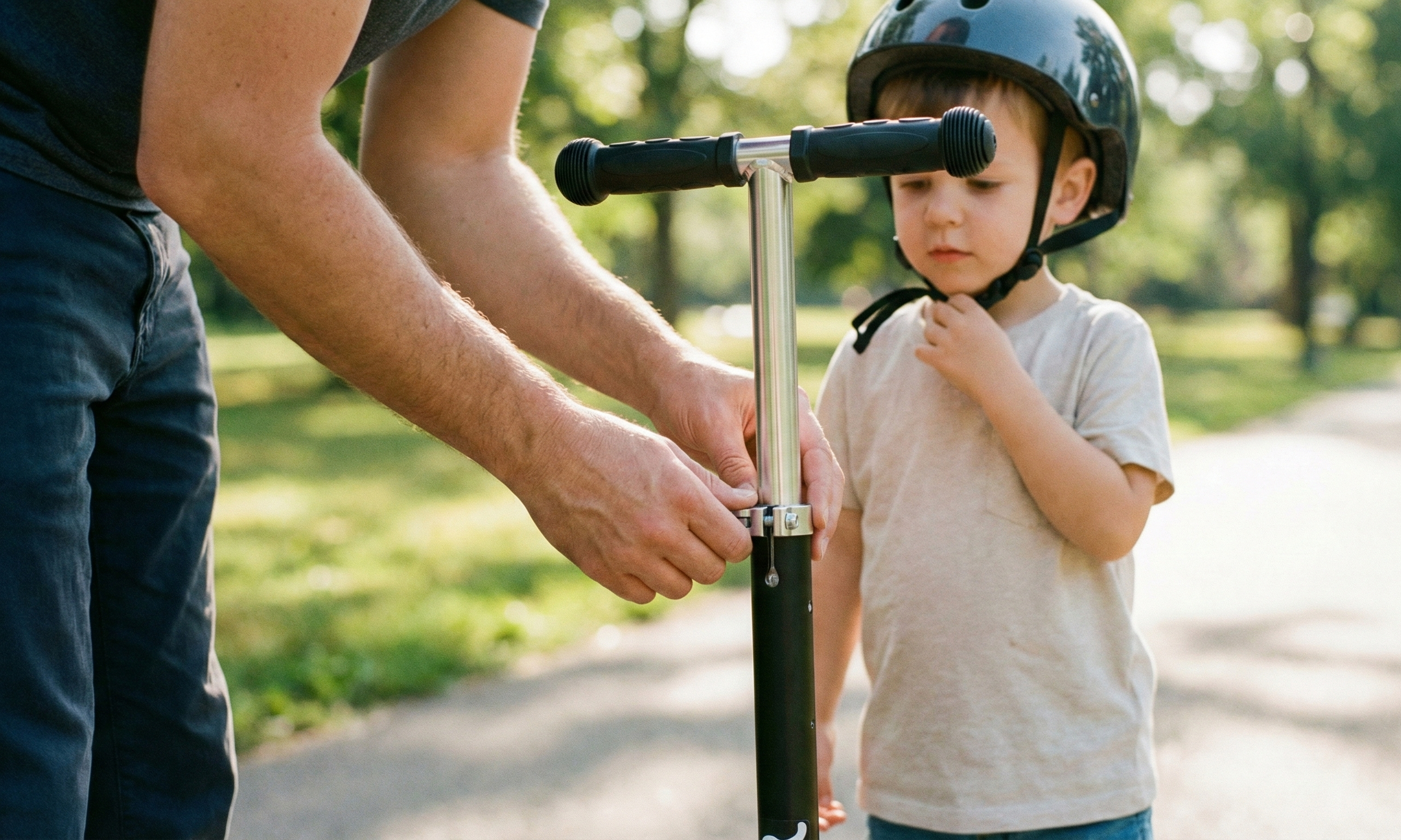 Finding the right handlebar height on a child's scooter is crucial for both comfort and safety. Ideally, handlebars should sit between the child’s waist and belly button. This positioning promotes proper posture, which enhances balance and control while they ride.
When handlebars are adjusted correctly, they encourage an ergonomic stance that minimizes discomfort or back pain during longer outings. Children tend to feel more confident and nimble on their scooters when they can easily reach the handlebars without any strain. This stability is vital for safely navigating various environments.
Focusing on handlebar height not only improves comfort but also greatly increases a child's enjoyment of scooting. Moreover, it fosters good riding habits that will serve them well in future adventures on wheels.
What is Handlebar Height?
Handlebar height refers to the distance from the ground to a scooter's handlebars, and it plays a crucial role in how a child interacts with their scooter. Finding the right height is key for ensuring that kids stand comfortably while riding, which directly impacts their ability to steer and maintain control.
When handlebars are positioned correctly—ideally between a child's waist and belly button—they support an ergonomic posture. This setup not only enhances balance but also minimizes discomfort during rides. Children can confidently maneuver without straining to reach the handlebars, making it safer for them as they explore various environments.
Moreover, being mindful of handlebar height can significantly enhance the overall scooting experience. Consider the following benefits:
- increased comfort,
- improved balance,
- reduced risk of strain,
- better control while riding,
- encouragement of outdoor activities.
Why Handlebar Height Matters for Your Child
Finding the right handlebar height on a child's scooter is essential for a safe and enjoyable adventure. It plays a significant role in their comfort, safety, and skill enhancement. Ideally, handlebars should be positioned between your child's waist and belly button. This encourages proper posture, which is key for maintaining balance and control.
When handlebars are set too high, children might struggle to manage the scooter effectively, which could lead to accidents. Conversely, if they're positioned too low, it can cause discomfort in the back and arms. Such discomfort may discourage them from enjoying scooting or hinder their ability to focus on improving their riding skills.
Getting the handlebar height just right not only improves balance but also boosts your child’s confidence while they ride. Kids who feel stable and secure on their scooters are more likely to engage in outdoor activities, fostering healthy habits early on.
In short, keeping an eye on handlebar height has a direct impact on your child's comfort and safety during rides. It's important for parents to check and adjust this height regularly as their child grows, ensuring a fun scooting experience every time.
Effects of Incorrect Handlebar Height
The height of a child's handlebars can significantly influence their riding experience and overall safety. When handlebars are positioned too high, kids often find it challenging to steer their scooters effectively. This lack of control may result in accidents or risky maneuvers, heightening the chance of falls.
Conversely, handlebars set too low can lead to discomfort or strain in a child’s back and arms. Such awkward positioning makes it difficult for them to navigate smoothly, which can detract from the enjoyment of their rides. In some cases, this discomfort might even discourage them from engaging in outdoor activities altogether. Thus, ensuring that the handlebars are adjusted correctly is essential. It allows children to maintain an ergonomic posture while scooting, fostering better balance and control.
Regularly checking handlebar height is vital as children continue to grow. Frequent adjustments will help accommodate their increasing height. Keeping the handlebars at the appropriate level not only enhances safety but also boosts a child's confidence during rides. Ultimately, maintaining the right handlebar height creates a more enjoyable scooting experience while reducing safety concerns related to steering challenges and maneuverability.
- handlebars that are too high can lead to steering difficulties,
- low handlebars may cause discomfort in the back and arms,
- proper height fosters ergonomic posture,
- regular adjustments accommodate growth,
- correct height enhances safety and boosts confidence.
Impact on Steering and Maneuvering
The height of a child's scooter handlebars is vital for effective steering and overall maneuverability. Ideally, when the handlebars are positioned between a child’s waist and belly button, it enhances their control and simplifies the steering process. This proper alignment not only boosts their balance but also instills confidence during turns and tricks.
Conversely, handlebars that are too high or low can hinder coordination and control. If they’re set too high, kids might find themselves stretching excessively, which complicates steering. On the flip side, handlebars that sit too low can cause strain in their arms and back, restricting movement and making smooth rides more challenging.
Additionally, having the right handlebar height significantly enhances the riding experience. It enables children to focus on honing their skills rather than grappling with discomfort or balance problems. Regular adjustments as they grow ensure they continue to enjoy optimal control and maneuverability throughout their scooting adventures.
Increased Risk of Tipping Forward
An unsuitable handlebar height on a child's scooter can significantly raise the risk of tipping over, particularly during unexpected stops or sharp turns. When handlebars are either too high or too low, they throw off the child’s balance and stability while riding. This misalignment complicates their ability to control the scooter, increasing the likelihood of falls and accidents. For instance, if the handlebars are positioned too high, kids may need to stretch uncomfortably to reach them. This awkward stance can lead to instability and make it challenging for them to steer effectively, especially when navigating obstacles or making quick maneuvers. Conversely, low handlebars can force children into a cramped position that restricts their steering capabilities. To mitigate these dangers, it's essential for parents to routinely check and adjust the handlebar height as their child grows. Ideally, handlebars should sit between the child's waist and belly button. This ideal height enhances stability, encourages safer riding habits, and reduces the overall risk of accidents stemming from improper scooter handling. By ensuring that scooters have appropriately adjusted handlebars, parents not only enhance their child's safety but also create a more enjoyable scooting experience. This support helps build confidence and fosters skill development over time.Safety Considerations for Handlebar Height
Getting the handlebar height just right on a child's scooter is crucial for their safety and comfort. It's a good idea for parents to opt for scooters featuring adjustable handlebars that can adapt as their child grows. This flexibility helps ensure kids maintain a proper riding posture throughout their development. Regularly checking and tweaking the handlebars plays an important role in both safety and enhancing the overall scooting experience.
It's also important to understand how handlebar height influences balance, control, and comfort. Ideally, handlebars should be positioned between a child's waist and belly button. This setup encourages an ergonomic stance, minimizing discomfort during rides while also boosting confidence when navigating the scooter.
Parents need to be aware of the potential dangers associated with improper handlebar height:
- if handlebars are set too high, it can make steering challenging, raising the likelihood of accidents,
- if they’re too low, children may strain their backs and arms, making them less eager to ride.
Creating a regular maintenance routine is essential for keeping scooters safe as children grow. By focusing on adjustable handlebars, parents can greatly enhance their child's comfort and promote positive riding habits that contribute to safer outdoor fun. Remembering to check handlebar height after significant growth spurts or changes in riding style ensures that every outing remains enjoyable and secure for young riders.
Safety Tips for Choosing the Right Height
When selecting the ideal handlebar height for your child's scooter, prioritizing safety and comfort is essential to avoid accidents. Begin by measuring your child's height, then adjust the handlebars so they are in line with either their waist or belly button. This positioning promotes good posture, enhancing their balance and control while riding.
As kids grow, it's crucial to routinely check the handlebar height. Be attentive to any signs of discomfort, such as:
- your child stretching excessively to reach the handlebars,
- struggling with steering.
If you spot these indications, it’s time for an adjustment to ensure a pleasant and safe riding experience.
Before each outing, always confirm that the handlebars are securely locked in place. This simple step helps prevent unexpected shifts that could lead to falls or injuries. By adhering to these safety guidelines, parents can foster a fun scooting adventure that encourages outdoor activity while ensuring their children's well-being.
Age-Appropriate Handlebar Height Recommendations
Selecting the appropriate handlebar height for children's scooters is essential for their comfort and growth. For instance, a typical 5-year-old would benefit from handlebars positioned between 55 and 65 cm above the ground. This range allows the handlebars to align with their waist or belly button, promoting better posture and control while riding.
Utilizing scooter sizing charts can be incredibly useful in determining the ideal handlebar height as kids develop. Regular adjustments are necessary to keep up with their changing sizes. When a scooter fits well, it not only enhances comfort but also boosts a child's confidence, making it easier for them to navigate their environment.
Parents should make it a habit to check the handlebar height frequently, particularly during growth spurts or shifts in how their child rides. This practice ensures that kids can reach the handlebars comfortably without any strain. By adhering to these age-appropriate suggestions, parents can create a safer and more enjoyable scooting experience for their little ones.
How to Determine the Right Handlebar Height
Finding the right handlebar height for your child's scooter is essential for both their comfort and safety. Start by measuring your child's height accurately, as this will guide your adjustments. Ideally, the handlebars should be set to align with their waist or just slightly below. For an average 5-year-old, this typically means positioning them between 55 and 65 cm from the ground. This setup promotes a comfortable stance that enhances balance and control.
Since children grow at such a rapid pace, it's important to make regular adjustments to the scooter's handlebar height. Check this often, especially after significant growth spurts or if your child changes how they ride. Properly adjusted handlebars not only improve comfort but also help boost their confidence, allowing them to ride without discomfort.
When selecting a scooter, look for models with adjustable handlebars. This feature enables you to easily maintain the right height as your child continues to grow. Keeping the handlebars at an appropriate level minimizes discomfort and reduces safety risks associated with poor steering or loss of control.
By paying attention to handlebar height, you can significantly enhance your child's scooting experience—making it more enjoyable and safe while encouraging them to engage in active outdoor play.
Step 1: Measure Hip-to-Ground Distance
To determine the distance from a child's hip to the ground, have them stand upright with their feet together. Then, take a measuring tape and measure from their hip down to the floor. This measurement is essential for adjusting the handlebars to an appropriate height, which promotes good riding posture.
Setting the handlebars at the right height enhances safety while riding. When positioned correctly, children can maintain better control and balance on their scooters. Ideally, handlebars should align with their hips for optimal ergonomics. This arrangement not only supports a natural stance but also minimizes strain on their arms and back.
It's also important to revisit this measurement periodically as kids grow, ensuring that they stay comfortable and secure during their rides.
- promotes good riding posture,
- enhances safety while riding,
- improves control and balance,
- supports a natural stance,
- minimizes strain on arms and back.
Step 3: Ideal Handlebar Height Range
To determine the optimal handlebar height for a child's scooter, position the handlebars between their waist and belly button. This placement allows young riders to maintain both comfort and control while scooting, supporting proper posture and balance. As kids grow, it's essential to adjust the height regularly to accommodate their increasing size.
When handlebars are set at the right level, they enhance stability and elevate children's confidence in their riding abilities. With properly adjusted handlebars, kids can easily reach them without any strain, reducing discomfort during rides and helping to prevent back pain or other related issues.
It's important for parents to frequently assess whether the handlebar height remains suitable as their child matures or alters their riding style. Maintaining this ideal height is crucial for safety and ensures that children enjoy themselves while scooting. It also improves steering control, making the overall experience more fun.
Adjustable Handlebars and Their Benefits
Adjustable handlebars play a vital role in children's scooters, offering significant advantages as kids grow. These handlebars can be modified to accommodate varying heights, ensuring that the scooter remains safe and comfortable for young riders over time.
One of the standout benefits of adjustable handlebars is enhanced comfort. As children mature, their body size evolves. With the ability to adjust the handlebars, they can maintain a proper riding posture that ideally aligns with their waist or belly button. This positioning not only improves balance and control but also minimizes strain on their back and arms, allowing them to enjoy longer rides without discomfort.
Safety is another important advantage provided by adjustable handlebars. When set at the appropriate height, they significantly reduce the risk of falls and accidents by improving stability during rides. Children find it easier to steer when they don’t have to stretch or bend awkwardly to reach the handlebars. Proper adjustments also instill confidence in young riders, encouraging them to explore new terrains without fear.
Moreover, these adjustable features promote good riding habits from an early age. As children learn to navigate their scooters effectively while maintaining a correct stance, they develop skills essential for future activities that require balance and coordination.
It's important for parents to regularly check and adjust these handlebars as their child grows taller or alters their riding style, ensuring a pleasant scooting experience every time.
Importance of Adjustable Handlebars for Growing Children
Adjustable handlebars are incredibly important for children who are still growing. They provide the necessary adaptability to accommodate changes in height and riding style, which ultimately boosts both comfort and safety.
Parents can easily adjust their child’s scooter to align with their waist or belly button height. This simple modification is key to ensuring proper posture while scooting. When kids maintain an ergonomic stance, they experience less discomfort and enjoy better balance, allowing them to ride with increased confidence. Properly positioned handlebars also help minimize the risk of falls and accidents by enhancing control during rides.
As children grow, making regular adjustments becomes essential. Keeping the handlebars at an appropriate height ensures that kids remain comfortable and secure on their scooters. Additionally, scooters featuring adjustable handlebars not only foster good riding habits but also inspire outdoor playtime. This means children can embark on longer rides without feeling strained, all while developing skills needed for various physical activities.
Adjustable handlebars significantly improve:- comfort,
- safety,
- overall enjoyment for young riders as they continue to grow.