
Parameters of Scooters for Children
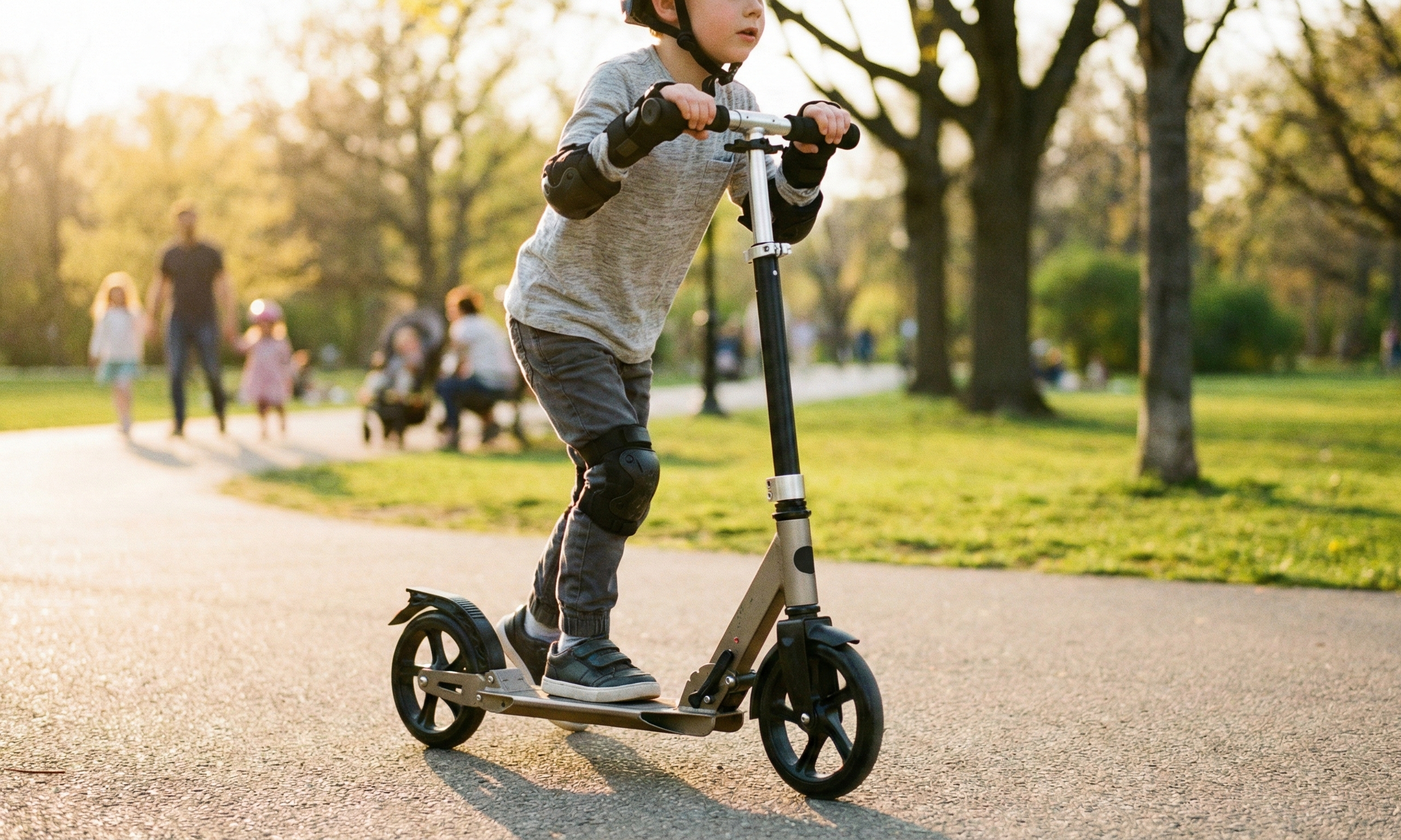 When it comes to choosing a scooter for kids, there are several important aspects to keep in mind to ensure both safety and fun. These factors include the scooter's weight, size, materials, wheel dimensions, and essential safety features.
Let’s start with weight. A scooter should be light enough for a child to maneuver easily but sturdy enough to support their weight. Typically, scooters have weight limits that can vary between 110 and 220 pounds, depending on the specific model.
Next up is size. The scooter needs to be appropriate for the child's height and age range. Ideally, when standing on the deck, the handlebars should reach around waist height. This positioning enhances control during rides.
The materials used in construction also significantly influence the scooter's durability and performance. Aluminum scooters strike a good balance between being lightweight and robust—making them an excellent choice. In contrast, plastic models may come in vibrant colors but might not hold up as well over time.
Now let’s discuss wheel size, which affects both stability and speed. Larger wheels (approximately 200mm) excel on uneven surfaces since they effectively absorb shocks. Conversely, smaller wheels (ranging from 100mm to 150mm) are more suitable for smooth terrains and facilitate quick turns.
Finally, don’t overlook safety features! A reliable braking system is essential; many scooters come equipped with rear or hand brakes that enhance stopping power. Additionally, non-slip decks provide secure footing while riding, minimizing the risk of slips or falls.
By thoughtfully considering these elements—weight capacity, suitable dimensions for your child’s growth stage, material quality, wheel sizes tailored for different surfaces, and necessary safety features—parents can make well-informed decisions when selecting the ideal scooter for their little ones.
Understanding Rider Age and Size Recommendations
When it comes to selecting the perfect scooter for your child, it's essential to consider both their age and height for a safer riding experience. Here are some guidelines based on age:
- for little ones aged 1 to 2 years, stability is paramount; therefore, scooters designed for this age group should be low to the ground and easy for them to handle,
- for kids between 3 and 5 years old, opting for scooters with handlebars that reach about waist height can enhance control and comfort,
- those aged 6 to 12 will thrive on larger models that can accommodate their added height and weight.
Moreover, many scooters made for kids aged 6 and up feature adjustable handlebars. This handy option allows the scooter to adapt as your child continues to grow.
Height recommendations play a vital role in choosing the right scooter. It's important that your child's feet can touch the ground comfortably while standing on the deck; this helps improve balance and control during rides. Scooters that adhere to these guidelines typically provide a safer and more enjoyable riding experience overall.
Rider Age: 1 - 2 Years
Selecting the perfect scooter for children aged 1 to 2 years is essential as they are in a crucial stage of developing balance and coordination. A three-wheel scooter stands out as an ideal choice because it provides enhanced stability.
These scooters typically have a wider base to help prevent tipping, allowing little riders to navigate safely. Consider the following features when choosing a scooter:
- wider base for stability,
- low decks for easy access,
- lightweight materials for portability,
- handlebars within reach for easy steering.
When searching for a first scooter for this age group, prioritize three-wheel models. They not only support the development of balance but also come with user-friendly features designed with safety and enjoyment in mind during outdoor playtime.
Rider Age: 3 - 5 Years
When picking a scooter for children between the ages of 3 and 5, it's crucial to consider age guidelines as well as height requirements to ensure a safe and comfortable experience. For this age group, an ideal height range is typically between 98 and 104 cm (38 to 40 inches), which ensures that the scooter fits properly, allowing kids to maintain better control while minimizing potential hazards.
Scooters designed for young riders usually feature:
- handlebars that reach about waist height when the child stands on the deck,
- designs that promote stability,
- lightweight materials like aluminum for easy handling without compromising durability.
Parents should also look for scooters equipped with essential safety features such as:
- non-slip decks,
- reliable braking systems.
These elements play a significant role in enhancing safety while helping children build their balance and coordination skills effectively.
Ensuring that a scooter meets appropriate height standards and design specifications is vital when choosing one for kids aged 3 to 5 years. This attention to detail will foster a fun and safe riding adventure for young enthusiasts.
Rider Age: 4 - 6 Years
When selecting a scooter for kids aged 4 to 6, it’s essential to consider both their age and height. Ideally, children in this group should be between 105 and 111 cm (41 to 43 inches) tall. Choosing a scooter within this height range ensures that they can comfortably grip the handlebars, which is vital for maintaining balance while riding.
Scooters tailored for young riders often come equipped with features that enhance safety and control. Consider the following key features:
- handlebars that reach waist level when the child stands on the deck, making steering more intuitive,
- lightweight materials like aluminum for durability and ease of use,
- non-slip decks that provide solid footing,
- effective braking systems for reliable stopping power,
- designs that boost confidence as children embark on their riding adventures.
By choosing a scooter that aligns with these specific age and height recommendations, you can greatly improve the overall riding experience for young children ages 4 to 6.
Rider Age: 5 - 7 Years
When selecting a scooter for children aged 5 to 7, height is a crucial factor to consider. Ideally, kids in this range should stand between 112 and 116 cm (44 to 45 inches) tall. This specific height helps them maintain proper posture and control while riding, which is key for both safety and enjoyment.
Scooters designed for this age group usually feature:
- handlebars that align with the child's waist when they are on the deck,
- better steering control and balance,
- lightweight materials like aluminum for durability and easy maneuverability.
Safety considerations shouldn't be overlooked either. It's important that scooters include:
- non-slip decks for stable footing,
- reliable braking systems to ensure effective stopping power.
By adhering to these height recommendations and age guidelines, parents can provide their children with a fun and secure riding experience as they hone their skills.
Rider Age: 6 - 9 Years
When selecting a scooter for kids aged 6 to 9, it’s essential to take into account both age guidelines and height specifications. This consideration helps guarantee a safe and enjoyable riding experience. For children in this age bracket, an appropriate height range falls between 117 and 126 cm (46 to 49 inches). Scooters designed for this range enable young riders to feel comfortable while boosting their confidence as they navigate.
Many scooters for this age group feature adjustable handlebars. This handy option allows the scooter to adapt as the child grows, making it a wise choice for parents who want longevity in their investment. Furthermore, when kids stand on the deck, the handlebars should ideally align with their waist level. This positioning enhances control during rides.
Safety comes first when it comes to choosing a scooter. Look for models that include:
- non-slip decks to improve grip,
- sturdy braking systems that provide reliable stopping power,
- features that help prevent accidents,
- options that aid children in honing their balance,
- and coordination skills.
By keeping these recommendations regarding age and height in mind, parents can confidently select a scooter that promises an exciting yet safe adventure for their children aged 6 to 9 years old.
Rider Age: 9 - 12+ Years
When selecting a scooter for children aged 9 to 12 and older, it’s essential to consider both the recommended age and height specifications. Doing so helps ensure that kids enjoy a safe and comfortable ride. Typically, children in this age group should be between 127 cm and 154 cm (50 to 60 inches) tall. This height range allows them to handle scooters designed for more experienced riders, which often offer greater speed and are ideal for performing tricks.
Scooters tailored for older kids frequently include features that enhance control. For instance:
- adjustable handlebars can be modified as the child grows,
- these handlebars should align with the rider's waist when they stand on the deck, promoting better steering and balance.
Safety is paramount as well. Scooters meant for this age bracket generally come equipped with dependable braking systems—like rear or hand brakes—that provide effective stopping power. Additionally, non-slip decks play a crucial role by offering secure footing during rides, which minimizes the risk of slips or falls.
By considering these important aspects—age guidelines, height requirements, and essential safety features—parents can select a scooter that not only accommodates their child's growth but also enriches their riding experience as they sharpen their skills.
Choosing the Right Scooter Based on Age and Skill Level
When picking out a scooter for your child, it's essential to take their age and abilities into account. Knowing the different options available can help create a fun and safe riding experience.
- three-wheel scooters are ideal for little ones aged 1 to 5 years,
- their wider bases provide excellent stability, reducing the chances of tipping over,
- these scooters feature low decks that make it easy for kids to hop on and off,
- along with handlebars positioned just right for effective steering.
As children reach ages 6 to 12 and enhance their skills, they might be ready to transition to two-wheel scooters. These models deliver greater maneuverability and speed, making them perfect for kids who have developed solid balance and coordination. It’s important that these scooters come with adjustable handlebars so they can be set at the right height for optimal control while riding.
For those more experienced riders eager to show off some tricks, stunt scooters are designed specifically for durability and performance. They usually boast reinforced decks and tough wheels capable of handling rough surfaces.
Lastly, there are electric scooters, which offer an exciting option for older kids who want longer rides or need a convenient commuting solution. With motorized assistance, they bring extra thrill but also require careful supervision due to their increased speeds.
In essence, choosing the right scooter involves considering your child’s age, height needs, and skill level while factoring in the distinctive features of each type—ensuring both safety and enjoyment during their rides.
Three-Wheel Scooters for Beginners
Three-wheel scooters make an excellent option for those just starting out. They provide a great way for young riders to build their balance and coordination while minimizing the chances of falls. With a stable design that includes a wider base and a lower deck height, these scooters allow little ones to hop on and off with ease and safety. For children between the ages of 1 and 5, three-wheel scooters offer valuable advantages:- create a secure environment that encourages confidence,
- allow easy steering with perfectly positioned handlebars,
- help youngsters gain control over their movements,
- are crucial for developing motor skills during formative years,
- are equipped with safety features like non-slip decks and reliable braking systems.
Two-Wheel Scooters for Older Children
Two-wheel scooters are an excellent option for older kids, typically those aged 6 and above who possess the balance and coordination necessary for riding. Compared to three-wheel models, these scooters provide a faster pace and better maneuverability, making them perfect for children eager to embrace more challenging riding experiences.
When selecting a two-wheel scooter, consider the following:
- your child’s height,
- skill level,
- adjustable handlebars for growth,
- control as riding skills develop.
Safety is paramount when picking out a two-wheel scooter. It's wise to choose models equipped with:
- dependable braking systems—such as rear or hand brakes—to improve stopping capability,
- non-slip decks to ensure secure footing,
- features that significantly lower the chances of slips during fast rides.
These scooters are designed to tackle various terrains; larger wheels excel on uneven surfaces by effectively absorbing shocks. For older kids keen on performing tricks or navigating urban environments, these scooters blend fun with practicality seamlessly.
In essence, two-wheel scooters provide an adventurous choice for older children looking to enhance their riding abilities while building confidence along the way.
Stunt Scooters for Advanced Riders
Stunt scooters are crafted for seasoned riders eager to pull off tricks and stunts with safety and precision. Unlike their standard counterparts, these scooters boast enhanced durability, designed to withstand the rigors of extreme riding. A reinforced deck provides stability during jumps, empowering riders to execute their maneuvers with assurance.
The choice of materials in stunt scooter construction plays a crucial role in performance. Most models utilize high-quality aluminum or steel, striking a balance between strength and lightness. This blend not only makes them more manageable but also ensures they can endure significant stress.
Another important factor in the design of stunt scooters is wheel size. Smaller wheels, typically ranging from 100mm to 120mm, deliver improved control and quicker responsiveness for executing tricks. Additionally, the hardness of the wheels can impact performance; while harder wheels may offer less grip, they enable faster speeds on smooth surfaces.
A reliable braking system is essential for advanced riders as well. Many stunt scooters feature a rear brake or opt for no brake at all—this preference often aligns with skilled riders who favor foot braking techniques.
When selecting a stunt scooter, it's important to thoughtfully consider aspects like:
- durability,
- wheel size,
- material composition,
- braking systems.
These elements collectively enhance the overall experience for those looking to elevate their skills through thrilling stunts and tricks safely.
Electric Scooters for Longer Rides
Electric scooters present an exhilarating way to experience longer adventures and daily travel. They're particularly ideal for older kids eager to engage in outdoor fun. With features designed for comfort and durability, these scooters are well-suited for extended use.
One standout advantage of electric scooters is their speed. Many models can zip along at around 15 mph (24 km/h), enabling riders to cover significant distances with minimal physical exertion. This makes them perfect for children wanting to explore parks or cruise to school.
Typically equipped with larger wheels—approximately 200 mm in diameter—electric scooters enhance stability across various terrains while effectively absorbing shocks from bumps or uneven ground. The motor assistance contributes to a smooth ride, alleviating fatigue on longer journeys.
Safety remains paramount when it comes to electric scooters. They often include:
- dependable braking systems, whether electronic or mechanical,
- non-slip decks providing solid footing,
- enhanced rider confidence during their rides.
Battery life is another crucial aspect; many electric scooters can travel between 20-40 miles on a single charge depending on the specific model and conditions. This impressive range allows kids to enjoy extended rides without fretting about running out of power.
All in all, electric scooters offer a captivating mode of transportation that not only promotes outdoor activity but also provides practical advantages such as speed and efficiency for those longer excursions.
Key Safety Features of Scooters for Children
When picking out a scooter for kids, it’s essential to recognize the vital safety features that contribute to a secure riding experience. A dependable braking system is one of the most important aspects. Many scooters come equipped with either rear or hand brakes that offer solid stopping power, enabling children to halt swiftly when necessary.
Another key feature to consider is the non-slip deck. This type of surface helps minimize slips and falls while riding, providing kids with stable footing and significantly lowering the chances of accidents. Additionally, wider handlebars can greatly improve control; they ensure a better grip and enhance stability, making it easier for young riders to maneuver their scooters.
Furthermore, incorporating reflective elements or lights can significantly boost visibility during low-light situations. These additions help ensure that others can see the child more clearly, thereby reducing accident risks.
In essence, choosing a scooter that integrates these safety features—like an effective braking system, non-slip decks for better traction, wider handlebars for improved stability, and enhancements for visibility—allows children to enjoy their rides with peace of mind.
- dependable braking system,
- non-slip deck,
- wider handlebars,
- reflective elements or lights.
Weight Capacity Considerations
When it comes to the weight capacity of scooters, it's essential to understand how this limit impacts both safety and stability. Each scooter model is designed with a specific weight range, typically between 110 and 220 pounds. Choosing a scooter that can adequately support a child's weight is key for safe riding while maintaining optimal performance.
If a scooter is too heavy for a child, controlling it may prove challenging, which could lead to accidents. Conversely, if the scooter is too light in comparison to the child's weight, it may become unstable. This lack of stability can make it difficult for kids to keep their balance and steer effectively.
As children are still refining their coordination and riding abilities, stability becomes increasingly vital. For this reason, parents should select scooters that not only match but ideally exceed their child’s current weight requirements. This approach not only accommodates growth spurts but also ensures that the scooter remains usable for an extended period, boosting the child's confidence during rides.
Overall, being aware of and adhering to appropriate weight limits for scooters is crucial for ensuring both safety and functionality as children enjoy their adventures on wheels.
Braking System and Stability
A dependable braking system is crucial for ensuring the safety of scooters intended for children. This can involve either a hand brake or a foot brake, both of which enable young riders to stop swiftly and efficiently when necessary. The performance of these braking systems plays a significant role in how secure children feel while riding. When they sense that they are safe, their confidence increases, leading to a more enjoyable riding experience.
Another key factor influencing a child's enjoyment is stability, which largely hinges on the scooter's design and wheel size. Scooters equipped with larger wheels—generally around 200mm—provide enhanced stability by effectively absorbing shocks on uneven surfaces. In contrast, smaller wheels, typically ranging from 100mm to 150mm, excel on smooth terrains but may compromise stability when encountering bumps.
When selecting a scooter for their children, parents should pay close attention to both the braking system and wheel size since these aspects are vital for safe riding. A thoughtfully designed scooter that integrates an efficient braking mechanism with solid stability features will not only promote safety but also help kids develop their balance and coordination skills in an enjoyable way.
Design and Materials of Children's Scooters
When it comes to children's scooters, the design and materials play a vital role in both performance and safety. Choosing the right scooter involves paying attention to several important features:
- deck width,
- wheel type,
- adjustable handlebars.
Let’s start with deck width. A broader deck enhances stability by giving kids ample space to position their feet comfortably. This aspect is particularly crucial for younger riders who are still mastering their balance.
Now, let’s turn our attention to the wheels. The size significantly influences how well a scooter performs on different terrains. Larger wheels, typically around 200mm, excel on uneven surfaces as they effectively absorb shocks. On the other hand, smaller wheels (ranging from 100mm to 150mm) are suited for smooth pavements and allow for quick turns—ideal for navigating busy urban environments.
The materials used in construction also have an impact on a scooter's durability and handling. Aluminum models strike a great balance between strength and lightweight design, making them easy for kids to maneuver. In contrast, while plastic scooters may come in vibrant colors that appeal to children, they often don't stand up well to heavy use over time.
Another key feature worth considering is adjustable handlebars. These can be altered as your child grows, ensuring continued comfort and safety while promoting good posture throughout their riding adventures.
When choosing a scooter that caters to your child’s needs while enhancing balance and safety, be mindful of these aspects:
- deck width,
- wheel size,
- material quality,
- adjustable handlebars.
Making thoughtful choices will lead to more enjoyable riding experiences!
Deck Width and Its Impact on Balance
A wider deck significantly enhances balance for young riders. When children use a scooter designed with a spacious deck, they experience improved stability, allowing them to place their feet comfortably and securely. This aspect is particularly beneficial for younger or less experienced riders who are still mastering their coordination skills.
Moreover, the width of the deck influences how confidently kids can navigate their scooters. A broader base helps evenly distribute weight, minimizing the risk of tipping over during rides. Consequently, scooters with wider decks not only promote safety but also aid in developing essential balancing abilities.
The material that constructs the deck is equally crucial for performance. Durable materials provide stability while ensuring that the scooter remains lightweight enough for easy handling. This combination allows children to concentrate on honing their balance without the added challenge of managing a heavy scooter.
Selecting a scooter with an ideal deck width can greatly support a child's ability to maintain balance while riding. This thoughtful choice contributes to their physical development and enhances their confidence during playtime activities.
Wheel Size: Hard vs. Soft Wheels
When picking the right wheel size for kids' scooters, it's essential to grasp the differences between hard and soft wheels. Hard wheels are celebrated for their durability; they endure wear and tear exceptionally well and excel in various riding conditions. Constructed from high-density materials, these wheels are ideal for rough surfaces and regular use.
On the flip side, soft wheels provide a much smoother and more comfortable ride. Their design allows for improved shock absorption, which is particularly beneficial when navigating uneven terrains or bumps. However, this added comfort does come with a trade-off: soft wheels generally wear out faster than their harder counterparts.
The decision between hard and soft wheels really hinges on how the scooter will be utilized. Consider the following:
- if children primarily ride on smooth pavement or indoors, soft wheels can enhance their experience by offering a cushioned feel,
- for tougher environments or extended use, opting for hard wheels might be wiser due to their longevity.
Ultimately, recognizing the characteristics of both hard and soft wheels is crucial in selecting a scooter that strikes the perfect balance between safety and fun during rides.
Adjustable Handlebars for Growing Kids
Adjustable handlebars play a vital role in scooters designed for children as they grow. These versatile features allow the scooter to evolve with the child, promoting comfort and safety throughout various developmental stages. Parents appreciate the ease of adjusting the height, which contributes to better posture and control during rides.
Typically, these handlebars can be modified to accommodate kids from around 3 years old all the way into their teenage years. This adaptability not only enhances comfort but also fosters confidence in young riders as they refine their balance and coordination skills.
In addition, adjustable handlebars are often crafted to be both lightweight and sturdy. This combination ensures long-lasting durability while making it easier for kids to maneuver their scooters. As their riding skills improve, having handlebars that align with their waist height boosts steering control and safety.
Overall, scooters featuring adjustable handlebars provide an essential foundation for a safe and enjoyable riding experience for growing children. Their thoughtful design significantly enhances performance and satisfaction for both kids and parents alike.
Portability and Durability of Scooters
When selecting a scooter for kids, it’s essential to focus on both portability and durability. Lightweight models are particularly helpful, as they make it easier for children to carry and move their scooters around. For instance, aluminum scooters offer an excellent combination of being easy to handle while also being robust enough to endure daily use.
Durability is equally important; it means the scooter can handle the rigors of regular use without falling apart. Scooters crafted from high-quality materials not only tend to last longer but also prioritize safety. Parents should look out for features such as:
- reinforced decks,
- robust wheels,
- high-quality materials.
These features ensure effective navigation over rough surfaces. In terms of portability, consider options with:
- foldable designs,
- removable components.
These features simplify storage and transport, which is especially beneficial during family outings or when trying to fit multiple items in a car. This convenience is a real asset for parents juggling their children's various belongings.
Ultimately, choosing a scooter that strikes the right balance between portability and durability guarantees a safe and enjoyable experience for young riders while making life easier for parents when it comes to transport and storage.
Choosing Lightweight Models for Easy Transport
When selecting lightweight scooters for easy transport, it's crucial to consider how the weight influences a child's ability to handle and maneuver the vehicle. These scooters are particularly beneficial for younger riders who may find heavier models challenging. Ideally, they should strike a balance between being portable and stable, allowing kids to carry them effortlessly while still feeling secure during their rides.
Typically, scooter weight limits vary from 110 to 220 pounds based on the design. Parents should choose a scooter that accommodates their child's current weight but also considers future growth. This thoughtful selection not only supports performance but also enhances safety as kids refine their riding abilities.
Scooters crafted from lightweight materials such as aluminum offer an excellent combination of durability and ease of use. Features like foldable designs or detachable components further enhance portability, making it simpler for parents to transport several items during outings or store the scooter in compact spaces.
Ultimately, when picking a lightweight scooter, it's essential to evaluate factors such as:
- weight limits,
- material quality,
- design elements that boost portability without compromising stability.
This mindful approach guarantees a safe and enjoyable experience for young riders while simplifying transport for parents.
Durability Factors in Scooter Construction
The durability of a scooter largely hinges on the materials used in its construction. Premium materials, such as aluminum and reinforced plastics, are essential for creating scooters that can withstand regular use and impacts. Aluminum is particularly favored due to its combination of lightness and strength, making it a popular choice among manufacturers.
The longevity of a scooter is also tied to its performance in various riding conditions. Models crafted from robust materials often enjoy a longer lifespan and better functionality over time. In contrast, scooters made with lower-quality plastics may sustain damage more quickly, compromising their safety and usability.
Additionally, design features significantly contribute to a scooter’s durability. Elements like:
- reinforced decks,
- sturdy wheel structures,
- high-quality bearings,
- durable grips,
- weather-resistant finishes.
These enhancements improve resilience against wear and tear. It's important to opt for scooters equipped with these traits to ensure that children can ride safely without the need for constant repairs or replacements.
Ultimately, selecting scooters built with high-quality materials and thoughtful design not only enhances durability but also promotes the safety and enjoyment of young riders for years to come.