
Ranking of Scooters for Children
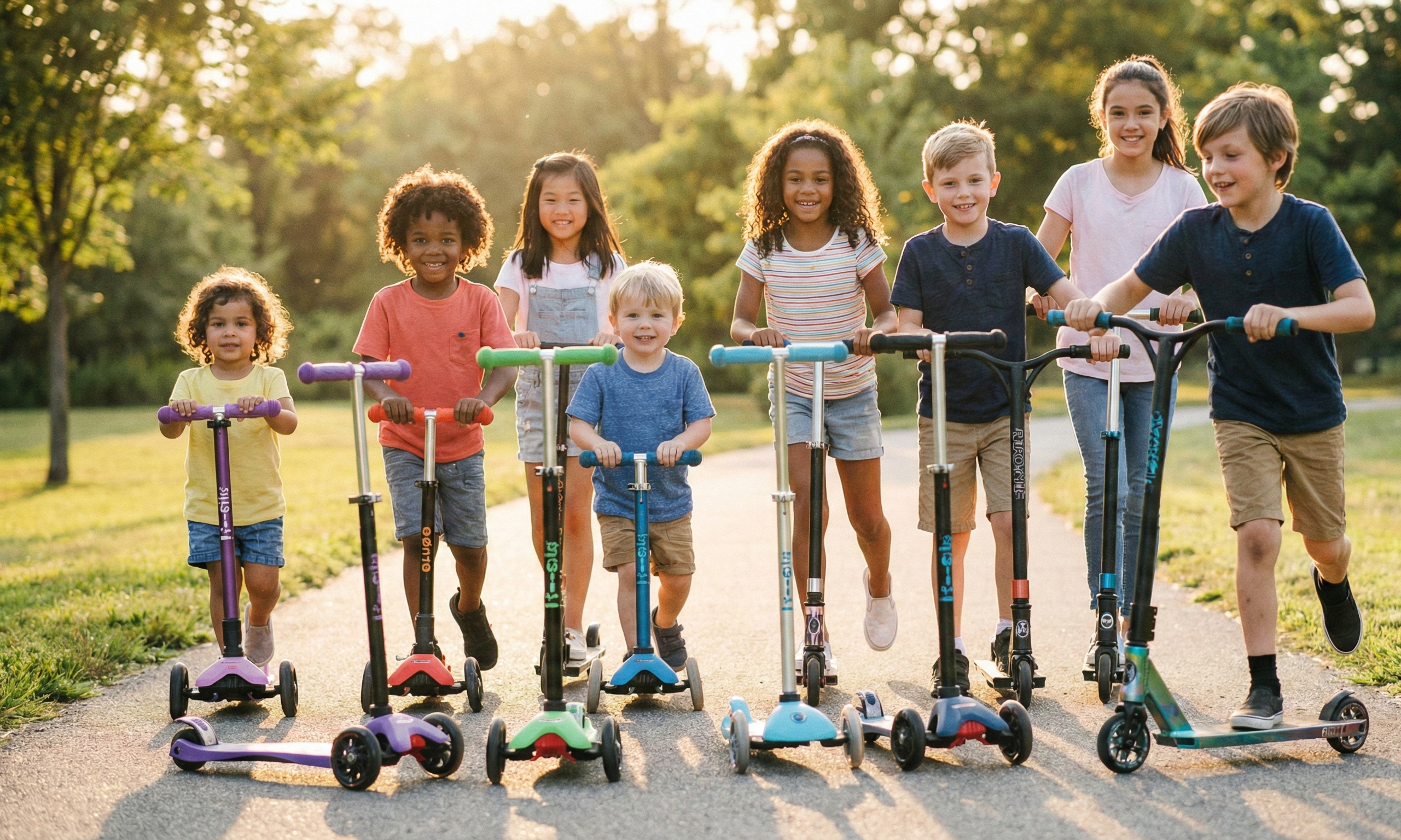 When it comes to ranking scooters for kids, it's important to take a thoughtful approach, considering various key factors. These include safety features, stability, user-friendliness, and age appropriateness. Each scooter is evaluated based on its performance, construction quality, and feedback from those who have used them.
Safety should always come first in this assessment. Selecting scooters equipped with reliable brakes and sturdy materials is crucial for minimizing the risk of accidents. Stability plays a significant role as well; wider bases tend to offer better balance, especially for younger riders.
It's essential that scooters align with children's developmental stages. For toddlers, three-wheeled options provide extra support and allow for easier control. Conversely, older children might gravitate towards two-wheeled scooters that encourage the development of their riding skills.
User reviews are incredibly valuable in determining which scooters rise above the rest in the marketplace. Parents often share important insights regarding durability and overall satisfaction with these models.
Ultimately, prioritizing safety features along with solid construction ensures that kids can ride their scooters confidently while effectively supporting their growth needs. A top-ranked scooter not only boosts the joy of riding but also underscores long-lasting reliability and performance.
Types of Scooters for Kids
When it comes to picking out a scooter for kids, there’s a wide range of choices that cater to various age groups and skill levels. One of the most beloved options is the traditional kick scooter. With its straightforward design, it's easy for children to navigate. Typically equipped with two wheels, these scooters allow for quick maneuvers and are ideal for older kids who have already mastered balancing and coordinating their movements.
For younger children or those just starting out, three-wheel scooters present an excellent alternative. Their broader bases provide extra stability, making it easier for little ones to learn how to ride without the fear of tipping over. This makes them particularly appealing for toddlers and preschoolers as they build their confidence in riding.
If you're looking for something more exhilarating, electric scooters are perfect for older kids seeking a powered adventure. These models run on rechargeable batteries and can cover greater distances at faster speeds than their traditional or three-wheeled counterparts. While they do require young riders to take on more responsibility, they can significantly elevate the thrill of scooting.
Additionally, there are other intriguing types of scooters worth considering:
- kickboard scooters allow riders better control,
- wiggle scooters encourage movement through wiggling rather than pushing off with their feet,
- each variety meets different needs and fosters active play among children.
Ultimately, when choosing a scooter, it’s essential to think about safety features, stability suited to the child’s age, and overall ease of use. This approach ensures that each child has an enjoyable riding experience tailored specifically to their abilities.
Two-Wheel vs. Three-Wheel Scooters
Two-wheel and three-wheel scooters serve different purposes and cater to various age groups and skill levels among children.
Typically, two-wheel scooters are designed for older kids who possess good balance and coordination. These models enable higher speeds and enhanced maneuverability, requiring a bit more expertise to ride effectively. They are ideal for children who can confidently steer their way around.
In contrast, three-wheel scooters offer greater stability and support, making them an excellent choice for younger children or beginners. The wider base helps prevent tipping as kids learn to navigate on wheels, which is especially beneficial for toddlers or preschoolers who are still honing their riding skills.
When choosing between a two-wheel or three-wheel scooter, parents should consider factors like the child's age, skill level, and comfort with riding. For instance:
- a child aged 3 to 5 might find a three-wheel scooter easier to manage due to its added stability,
- older kids aged 6 and up may gravitate towards the nimbleness of a two-wheel scooter that fosters further growth in balance and coordination.
Ultimately, selecting the right scooter hinges on understanding these design differences and their functionalities. By picking the appropriate type based on the child's developmental stage, parents can ensure a safe and enjoyable experience that boosts confidence in young riders.
Electric Scooters for Kids
Electric scooters designed for kids bring a thrilling and convenient option for older children to enjoy riding. Powered by rechargeable batteries, these scooters allow for longer adventures with less effort compared to traditional models. Many come equipped with speed limiters, which help keep younger riders safe by regulating their speed. Additionally, the intuitive controls make it easy for kids to operate the scooters without any complications.
When selecting the right electric scooter, it's crucial to consider important aspects such as:
- battery life,
- top speed,
- safety features that enhance stability,
- child's age,
- size,
- experience level.
For instance, beginners might benefit from options that feature lower speeds and enhanced stability. Moreover, many of these scooters include responsive braking systems that provide quick stops when necessary. Parents should also take note of the materials used in construction; sturdy materials can withstand everyday wear and tear while safeguarding against potential dangers.
Overall, electric scooters present an enjoyable way for older children to broaden their riding experiences while emphasizing safety and user-friendly designs tailored specifically for them.
Age Range and Suitability
Choosing the right scooter for your child involves taking into account their age and skill level. Generally, scooters are made for kids aged 2 to 12, with various models designed to meet the needs of different developmental stages.
For the little ones, three-wheeled scooters are an excellent choice. Their wider base provides enhanced stability, making young riders feel more secure as they learn how to scoot. These scooters are ideal for children between 2 and 5 years old, allowing them to enjoy their ride without fear of tipping over.
As kids grow and gain better coordination and balance, they can transition to two-wheeled scooters. Usually recommended for those aged 6 and up, these models offer increased speed and agility. They not only allow for faster rides but also help children hone their steering skills.
When picking a scooter that’s suitable for your child's age, it's important to consider:
- their size,
- riding experience,
- stability for toddlers,
- speed for older children,
- user-friendliness.
Ultimately, selecting a scooter that aligns with your child’s age ensures both safety and fun during their riding experiences.
Scooters for Children Ages 2-12
Scooters designed for children between the ages of 2 and 12 come in a wide range of styles tailored to different developmental stages. For toddlers, three-wheel scooters are particularly beneficial. Their broader bases enhance stability, which helps young riders learn balance and coordination without the fear of tipping over. These scooters are ideal for little ones aged 2 to 5.
As children grow and their balance improves, they can transition to two-wheel scooters, typically recommended for those aged 6 and older. These scooters provide increased speed and agility, allowing kids to refine their riding skills further. With greater maneuverability, older children can confidently tackle more challenging environments.
When choosing a scooter for this age group, safety should always be a top priority. Parents ought to seek out models equipped with:
- dependable brakes,
- solid construction,
- features that enhance stability during rides.
It's also important to consider the child's size and riding experience when selecting a scooter that strikes the right balance between safety and enjoyment.
By aligning the choice of scooter with each child’s developmental stage—opting for three-wheel designs for younger kids and transitioning to two-wheel options as they mature—parents can create an enjoyable riding experience that fosters confidence in their young adventurers.
Key Features to Consider
When selecting a scooter for kids, several important features should be taken into account to ensure both safety and an enjoyable riding experience.
To start with, the build quality is vital. A robust frame guarantees longevity and can withstand regular use without falling apart. Additionally, having an adjustable height feature is crucial; it allows the scooter to adapt as your child grows, ensuring they feel comfortable and confident while riding.
Another key factor is a non-slip deck. This design element enhances stability by reducing the risk of slips or falls, making it particularly beneficial for younger riders who are still mastering their balance. Furthermore, a dependable braking system is essential for allowing quick stops when necessary, which helps minimize the likelihood of accidents.
The scooter's weight also plays a significant role; lighter models enable children to handle and maneuver them more easily. Moreover, wheels that are built to last and can tackle various terrains lead to smoother rides, turning outdoor escapades into exciting adventures.
When evaluating scooters for children, focus on these vital features:
- sturdy build quality,
- adjustable height options,
- non-slip decks,
- reliable brake systems,
- lightweight designs,
- durable wheels.
Each of these components not only promotes safety but also fosters confidence in young riders as they embark on their scooting journeys.
Adjustable Height for Growing Kids
Adjustable handlebars are a key feature in children's scooters, bringing numerous benefits as kids grow. The ability to modify the handlebar height allows the scooter to meet a child's evolving needs, which is crucial for both comfort and safety during their development.
As children grow taller, these adjustable handlebars ensure they can ride without discomfort or straining their posture. This versatility not only enhances their overall riding experience but also supports better balance and control—essential elements for safe scooting. An ergonomic setup enables them to enjoy longer rides with less fatigue.
Moreover, opting for an adjustable scooter can be a wise financial decision for parents. Rather than purchasing a new model each time their child grows, one scooter can accommodate various heights over several years. This flexibility is particularly beneficial for families with multiple kids or those seeking a long-term investment.
When selecting a scooter for growing children, it’s vital to consider options featuring adjustable height capabilities. Doing so guarantees ongoing comfort and safety as they embark on their scooting adventures.
Safety Features and Build Quality
When selecting a scooter for kids, prioritizing safety features and build quality is essential. Start by looking for non-slip decks that offer secure footing to keep little riders steady. Reliable brakes are just as important, providing the stopping power needed to prevent accidents. Also, ensure the scooter works well with protective gear like helmets and pads—these elements significantly lower the chances of injuries while riding.
Next up is the scooter's construction quality. Choosing a model crafted from high-grade materials means it can endure the wear and tear of everyday use. This kind of durability not only keeps the scooter safe over time but also improves its performance during rides. Parents should aim for scooters built with robust materials designed for long-lasting enjoyment.
The design plays a crucial role too; stability is particularly important for younger riders who are still mastering their balance. Opting for scooters with wider bases enhances stability, allowing children to ride confidently without fear of tipping over.
Ultimately, when deciding on a scooter for children, it’s vital for parents to focus on safety features like non-slip decks and strong brakes as well as solid construction. This attention ensures that kids have a fun and safe riding experience every time they hop on their scooters.
User Reviews and Recommendations
User reviews and recommendations are essential for parents who want to choose the perfect scooter for their children. By looking at feedback from other buyers, they can gain valuable insights into different models. This feedback sheds light on critical aspects such as performance, safety features, and overall user satisfaction.
When comparing popular scooters, reviews frequently point out distinct advantages and disadvantages. For example, one model may receive accolades for its sturdy build but face criticism for being cumbersome or challenging to handle. These thorough assessments help parents determine which scooters align with their child's abilities and preferences.
Performance is a significant topic in user evaluations. Many reviewers emphasize how well a scooter performs during rides, providing details about:
- speed control,
- brake responsiveness,
- overall ride quality.
This information can be incredibly helpful for parents during their selection process. Safety is another major concern; parents typically look for models equipped with:
- reliable braking systems,
- robust designs,
- non-slip decks.
These features help to minimize risks while their kids are riding. Ratings reflecting overall satisfaction give an insight into how different scooters hold up over time. High scores not only signal positive user experiences but also suggest that a particular scooter is likely to meet expectations in real-life scenarios.
In essence, leveraging user reviews and recommendations enables parents to make well-informed choices about scooters that balance enjoyment with safety, ultimately enhancing the purchasing experience.
Comparing Popular Models
When looking at popular scooter models, several important factors come into play to ensure children have a safe and fun experience. User reviews are incredibly helpful, offering insights into how different scooters perform in real life. These reviews often spotlight aspects like:
- durability,
- ease of use,
- overall satisfaction.
For instance, scooters that consistently receive high marks for sturdiness tend to be favored by parents.
Safety should always be at the forefront of any comparison. The top-rated scooters typically feature:
- dependable braking systems,
- non-slip decks.
Such elements contribute to better stability during rides and significantly reduce risks while kids are zooming around.
Another vital consideration is build quality, which greatly influences how long a scooter lasts and how well it performs. Models crafted from superior materials usually withstand daily wear and tear far better than those made with lower-quality components. This resilience means the scooter remains reliable as kids grow older.
Price is also a key factor when weighing different options. Some scooters may come with a higher price tag due to advanced features or brand prestige, while others deliver fantastic value without sacrificing safety or performance.
By assessing these elements—user feedback, safety features, construction quality, and cost—parents can confidently choose the best scooter for their child. Focusing on safety and enjoyment will create a rewarding experience for both kids and their caregivers.