
Safe scooter riding
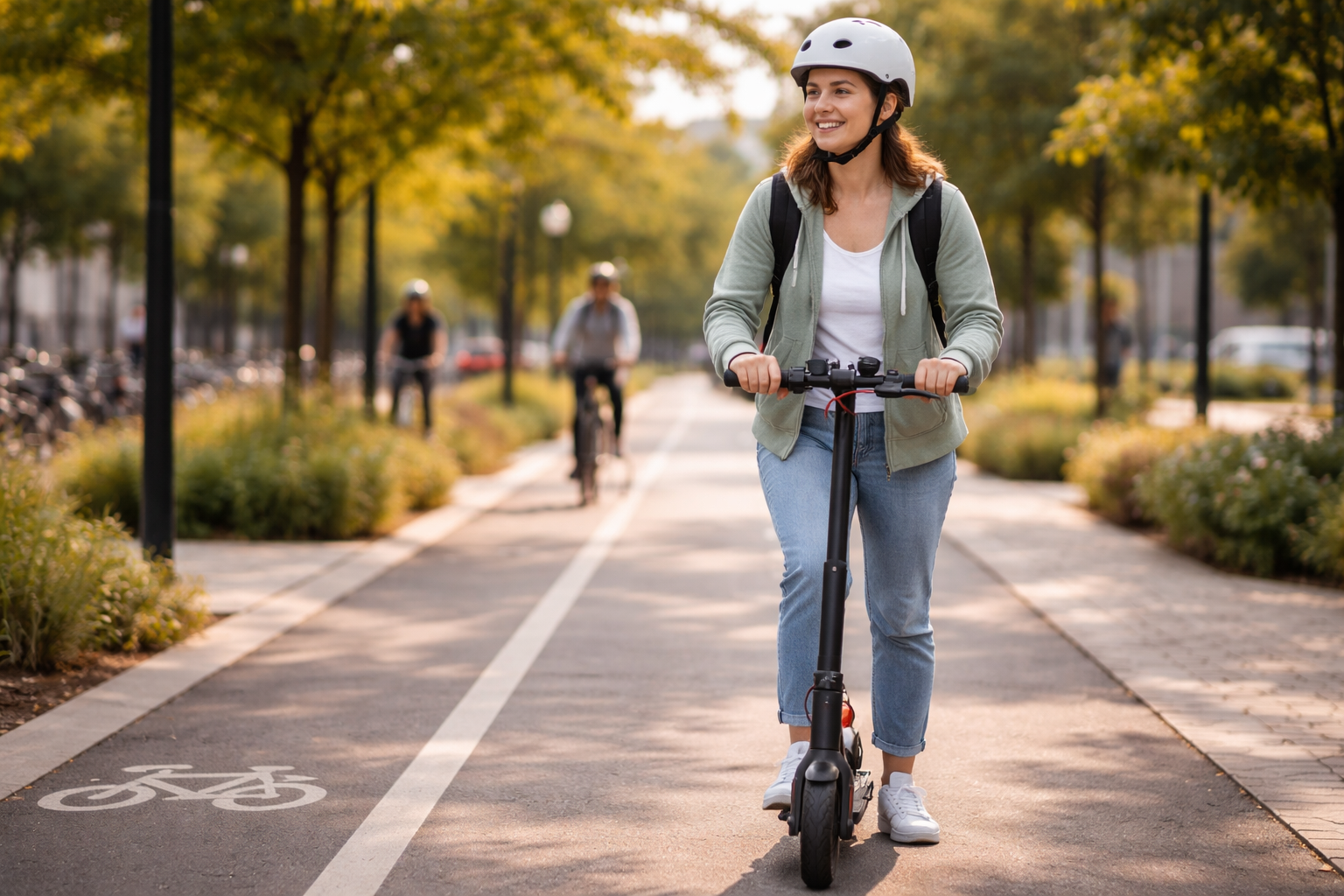 Riding a scooter safely is essential for the well-being of riders in various environments. To enhance safety, it's important to recognize the specific challenges that scooter users encounter, such as:
- navigating through traffic,
- managing uneven surfaces,
- adapting to changing weather conditions.
By implementing effective safety measures, riders can significantly reduce risks and elevate their overall scootering experience.
A key element of safe riding involves wearing appropriate protective gear. Helmets are crucial; studies indicate they can lower the likelihood of head injuries by up to 70%. Additionally, padded clothing serves as an important safeguard against scrapes and bruises in case of falls.
Staying alert to one's surroundings and following local traffic regulations is another critical aspect of preventing accidents. Utilizing hand signals when turning or stopping effectively communicates intentions to others on the road, fostering a safer atmosphere for everyone.
It's equally important to maintain the scooter's condition. Regular inspections of:
- brakes,
- tires,
- lights
ensure that everything functions properly, thereby minimizing potential dangers while riding.
Finally, choosing safe routes—such as bike lanes or less-trafficked streets—can significantly enhance safety during rides. By concentrating on these best practices for safe scootering, individuals can fully enjoy the many advantages that come with riding while keeping risks at bay.
Essential Protective Gear for Scooter Riding
When you hop on a scooter, it's vital to wear the right protective gear to ensure your safety. A well-fitted helmet is crucial; it significantly reduces the risk of head injuries. Be sure that your helmet adheres to safety standards and fits securely without obstructing your vision.
Knee pads and elbow pads are also essential. They shield you from scrapes and bruises by absorbing impacts during falls, making them important for both newcomers and experienced riders alike. Additionally, consider using wrist guards, as they can help prevent common wrist injuries that may occur during accidents.
Wearing closed-toe shoes with good traction enhances your control over the scooter, minimizing the chances of slipping or taking a tumble. It’s also wise to don a reflective vest; this increases your visibility in low-light conditions, helping others on the road spot you more easily.
By equipping yourself with this protective gear while riding, you not only boost your safety but also significantly reduce the likelihood of injury. Have fun out there while staying safe!
- well-fitted helmet,
- knee pads and elbow pads,
- wrist guards,
- closed-toe shoes,
- reflective vest.
Types of Protective Gear
Helmets are the cornerstone of safety when it comes to riding scooters. They play a crucial role in safeguarding your head, dramatically reducing the likelihood of severe injuries. To maximize their protective benefits, it's vital that helmets fit properly and adhere to established safety standards.
Knee pads are another essential piece of gear, designed to cushion impacts on those sensitive joints. By absorbing shocks and preventing painful scrapes from falls, these pads are invaluable for riders at any skill level.
Elbow pads serve as an important defense against injuries to the elbows. They help mitigate impact forces during a fall or when a rider braces themselves against a hard surface.
Wrist guards should not be overlooked either; they provide crucial protection against wrist fractures that can frequently occur in scooter mishaps. These guards stabilize the wrist joint and offer much-needed support upon impact.
By equipping yourself with this vital protective gear—including helmets, knee pads, elbow pads, and wrist guards—you can significantly reduce your risk of injury while enjoying the thrill of scootering safely.
What to Wear When You Ride
When you hop on a scooter, especially during chilly days, selecting the appropriate attire is essential for both comfort and safety. Begin with thermal base layers that trap warmth while allowing sweat to escape. To fend off wind and rain, opt for outer layers that are both windproof and waterproof.
Insulated gloves are also a must—they’ll ensure your hands stay warm and nimble. A thermal balaclava can protect your face and neck from the biting cold, enhancing your riding experience. And don’t overlook the importance of waterproof boots; they keep your feet cozy and dry, which is crucial for overall comfort.
While staying warm is vital, it’s equally important not to neglect protective gear. Helmets play a critical role in safeguarding your head, significantly reducing the risk of injury. Consider the following protective gear:
- Helmets to protect your head,
- Knee pads for cushioning against falls,
- Elbow pads to safeguard your arms,
- Wrist supports to prevent injuries,
- Insulated gloves to keep your hands warm.
By layering up with appropriate clothing and equipping yourself with essential protective gear, you'll ensure a safer riding adventure. This thoughtful preparation allows you to enjoy scootering regardless of the weather or any obstacles you might encounter on the road.
Riding Safety Practices
To ride a scooter safely, it's crucial to grasp and implement key safety practices that can significantly reduce risks. Consider the following essential practices:
- hone your observation skills, being aware of your environment allows you to spot potential threats early on,
- position yourself for optimal visibility, always ensure that other road users can see you by maintaining a safe distance from vehicles and utilizing bike lanes whenever possible,
- master cornering techniques, this will help you navigate turns smoothly while keeping control of your scooter,
- anticipate hazards, such as potholes, debris, or sudden stops from other drivers, which is essential for preventing accidents,
- regularly scan the road ahead, this enables riders to adjust swiftly to changing conditions,
- effectively deal with road obstacles, which requires quick thinking and adaptability in your riding approach.
By embracing these safety practices, you enhance your own safety while scootering, and you also contribute positively to the overall safety of everyone on the road. Concentrating on these fundamental strategies creates a more enjoyable scootering experience and lowers the risk of accidents significantly.
Supervision for Young Riders
Supervision plays a crucial role in ensuring the safety of young riders during their scooter adventures. It's important for adults to actively oversee their activities and offer guidance on safe riding techniques. This vigilant oversight can significantly minimize risks, especially since inexperienced riders may not fully understand the potential dangers they face.
A key aspect of this supervision involves ensuring that young riders are equipped with the appropriate protective gear, including:
- helmets,
- knee pads,
- elbow pads.
For instance, wearing a helmet can reduce the likelihood of head injuries by as much as 70%. Hence, it’s essential for adults to enforce this vital safety measure. Additionally, caregivers should teach these young individuals how to properly control their scooters and safely navigate around obstacles.
Parents or guardians also contribute to establishing a secure learning environment. Opting for low-traffic areas allows young riders to practice their skills without the pressure of heavy street traffic. By fostering good habits from an early age, adult supervisors help nurture responsible riding behaviors.
Lastly, open communication is fundamental. Engaging in discussions about the importance of adhering to traffic rules and maintaining awareness of their surroundings reinforces safe riding practices. With effective supervision and thoughtful instruction, young riders can relish their time on scooters while enhancing their overall safety on the road.
Safe Environments for Riding
Creating safe spaces for scooter riding is vital for minimizing risks and enhancing the overall experience. Features such as:
- dedicated bike lanes,
- parks with non-slip surfaces,
- low-traffic areas.
These elements significantly reduce the likelihood of encountering hazards like cars or rough terrain.
In these secure environments, riders can concentrate on developing their skills without constantly worrying about sudden obstacles or speedy vehicles. For instance, bike lanes designed specifically for scooters effectively separate riders from motor traffic, fostering a greater sense of confidence while they ride.
Parks also provide smooth surfaces that lower the chances of skidding or falling due to uneven ground. Moreover, these venues create a controlled setting where newcomers can practice safely away from busy roads.
Nonetheless, it’s important for riders to remain vigilant and aware of their surroundings even in these designated safe zones. Maintaining this proactive approach enables them to identify potential dangers early on and make necessary adjustments. By emphasizing safety while scootering, individuals can not only enhance their enjoyment but also significantly reduce the risk of accidents.
Legal Responsibilities of Scooter Riders
Scooter riders have a range of important legal obligations aimed at ensuring their safety and adherence to local regulations. A fundamental responsibility is to follow traffic signals and signs, which play a crucial role in maintaining order on the roads. It's equally important for riders to navigate in the same direction as vehicular traffic, fostering safer interactions with drivers.
Whenever possible, utilizing bike lanes is essential. This not only improves visibility but also significantly decreases the chances of accidents. Moreover, being aware of licensing, insurance, and registration requirements is vital for anyone riding a scooter. In many jurisdictions, operating without appropriate registration or insurance may lead to fines or other legal complications.
Staying informed about local laws is imperative for scooter riders since these regulations can differ widely between locations. Having this knowledge helps ensure compliance and enhances overall safety for everyone sharing the road. By fulfilling their legal duties, scooter enthusiasts can fully enjoy their rides while minimizing potential risks associated with non-compliance.
Visibility and Road Awareness
For scooter riders, visibility is essential, particularly during winter months when daylight is scarce and conditions can be challenging. To enhance their safety on the road, it's important for riders to don bright and reflective attire. This not only makes them more noticeable but also significantly reduces the likelihood of accidents.
In addition to choosing the right gear, ensuring that a scooter's lights are in good working order is critical. Properly functioning front and rear lights improve visibility during low-light conditions, enabling both drivers and pedestrians to see the rider from a greater distance. It’s advisable for riders to check their lights regularly before setting off, especially on overcast days or during dusk.
Moreover, incorporating reflective accessories can further increase visibility:
- reflective armbands,
- reflective vests,
- reflective stickers.
Research indicates that enhanced visibility contributes to a safer riding environment by reducing the chances of collisions with vehicles that might not anticipate encountering a scooter on the road.
By prioritizing visibility through appropriate clothing and reliable lighting, scooter riders can greatly enhance their safety while navigating various traffic scenarios.
Using the SEE System for Safety
The SEE system, which stands for Search, Evaluate, Execute, is a crucial approach to enhancing riding safety. By adopting this method, riders can significantly boost their awareness and visibility while navigating the roads.
To begin with, the "Search" phase prompts riders to actively seek out potential dangers and other users on the road. This involves thoroughly scanning their surroundings—paying particular attention at intersections where visibility can often be limited.
Following that is the "Evaluate" step, where riders analyze the information they've collected. They must determine the best course of action based on their observations. For instance, if a car approaches an intersection at a high speed, it might be wise for a rider to slow down or get ready to stop.
The final stage is "Execute," which means taking decisive action based on that assessment. This could entail skillfully navigating around obstacles or adjusting one’s speed to maintain a safe distance from nearby vehicles.
By integrating the SEE system into their riding routines, scooter users not only enhance their own safety but also play a vital role in promoting overall road safety. This proactive approach helps minimize accidents and encourages more positive interactions among all road users.
Riding Techniques and Skills
To truly excel at scooter riding, it’s important to grasp some key techniques and skills that not only enhance your enjoyment but also prioritize safety. A fundamental skill to master is the L check. Before embarking on your ride, take a moment to ensure your scooter is in top shape. Inspect the brakes, tires, and lights to prevent any mechanical mishaps while you’re out and about.
Finding your balance is another critical aspect for riders. Spend time practicing how to control your center of gravity; this ability allows you to navigate turns with ease and speed. Maintaining a strong stance with your feet planted firmly on the deck will further enhance your stability.
If you enjoy visiting skate parks, understanding proper etiquette becomes essential. Being mindful of:
- waiting for your turn,
- signaling what you're planning to do next,
- respecting others' space.
can significantly improve safety and foster a friendly atmosphere in these communal areas.
Moreover, mastering cornering techniques is vital for skilled riding. Learn how to:
- lean into turns,
- manage your speed,
- maintain control,
- avoid losing balance,
- prevent falling off the scooter.
Always remain vigilant about potential hazards like pedestrians or obstacles; this heightened awareness can greatly enhance your safety during rides.
By applying these tips during practice sessions, you'll not only build confidence but also minimize the chances of accidents, ultimately making every scootering outing much more enjoyable.
Emergency Braking Techniques
Emergency braking techniques are essential for maintaining control during unexpected stops on a scooter. It's vital for riders to practice smooth and steady braking to avoid skidding or losing balance, particularly on wet or slippery surfaces.
To brake effectively in an emergency, using both the front and rear brakes simultaneously is key. This balanced approach ensures that weight is distributed evenly, minimizing the risk of tipping over. When applying the brakes, follow these steps:
- start with a gentle squeeze,
- gradually increase the pressure as needed,
- avoid abrupt stops to maintain control.
Moreover, being aware of your surroundings is crucial for anticipating potential dangers. Staying alert allows you to react promptly before facing obstacles or sudden changes in your environment. For instance, when approaching intersections or busy areas, heightened vigilance is necessary for swift responses.
Practicing emergency braking in a controlled setting can significantly boost your confidence and enhance your skills across different situations. Regular drills not only improve response times but also prepare riders to react appropriately during sudden stops.
By honing emergency braking techniques alongside other safety measures, individuals can greatly enhance their overall safety while riding scooters, making each ride more enjoyable.
Skillful Riding and Mental Strategies
To truly excel in the art of skilled riding, one must master a blend of essential techniques and effective mental strategies. Consider the following key aspects:
- leaning into turns to maintain balance and control,
- anticipating potential hazards such as potholes or abrupt stops from other vehicles,
- remaining composed during challenging moments to make swift decisions,
- being aware of your surroundings to identify potential dangers on the road,
- embracing practices that inspire responsible behavior among fellow users.
The synergy of technical prowess and sound mental approaches can greatly enrich the scootering experience while effectively minimizing risks related to unsafe riding conditions.
Maintenance and Pre-Ride Checks
Taking care of your scooter through proper maintenance and pre-ride inspections is essential for ensuring safety on the road. By conducting regular checks, you not only enhance rider confidence but also significantly reduce the risk of accidents stemming from mechanical issues. Here are some vital areas to pay attention to:
- Braking System: ensure that the brakes respond promptly and show no signs of wear and tear,
- Wheels: inspect your tires for adequate tread depth and check that they’re properly inflated,
- Lighting: double-check that both your front and rear lights are functioning correctly, particularly in low-light situations,
- Overall Functionality: test all controls, including throttle response and steering, to confirm that your scooter runs smoothly during rides,
- Frame Condition: look over the frame for any damage or cracks that could compromise stability.
Regular maintenance not only prolongs the life of your scooter but also greatly boosts safety while riding. By making these checks a priority before each journey, you can mitigate risks related to mechanical failures, leading to a more enjoyable scootering experience overall.
Conducting Pre-Ride Checks
Performing pre-ride checks is crucial for ensuring your scooter remains safe and dependable. A great way to accomplish this is by carrying out the 'L check', which emphasizes key parts like the handlebars, wheels, and brakes. By examining these elements, you can confirm that all controls function correctly, significantly reducing the risk of accidents caused by mechanical failures.
Before you hit the road, begin with a quick assessment of the handlebars:
- ensure they are secure and responsive to your touch,
- inspect the wheels; check for proper inflation and adequate tread depth to maintain stability during your ride,
- test the brakes to ensure they engage smoothly without any unusual sounds or resistance.
Integrating these maintenance checks into your routine not only enhances safety but also extends the lifespan of your scooter. Regularly inspecting these components can notably decrease potential dangers while you’re out riding, allowing for a much more secure scootering experience.
The Importance of Sober Riding
Scooter riding while under the influence of alcohol or drugs poses substantial dangers, making it crucial to ride sober for both personal and public safety. Impairment drastically affects judgment, slows reaction times, and hampers coordination. These impairments can result in severe accidents that may lead to injuries or fatalities. Research indicates that consuming alcohol can increase the likelihood of being involved in serious crashes by as much as 11 times.
Legal implications further underscore the importance of riding sober. Operating a scooter while intoxicated can result in severe consequences, including:
- hefty fines,
- suspension of your license,
- incarceration.
Many regions enforce specific laws regarding blood alcohol concentration (BAC) limits for riders that mirror those for drivers. Familiarizing yourself with these regulations is essential for ensuring both safety and compliance.
Moreover, choosing to ride sober fosters a sense of responsibility within the community. Riders who prioritize sobriety not only improve road safety but also serve as role models for others around them. It's vital for every rider to engage in safe practices by ensuring they are fully alert and in control during their rides.
Understanding how various substances impact riding abilities can enhance awareness about the necessity of sobriety on two wheels. For instance, it's critical to recognize that even minimal amounts of alcohol can compromise your skills and elevate crash risks.
Ultimately, riding sober safeguards individual riders while also promoting overall road safety through adherence to laws and responsible conduct on shared pathways.