
Safety on a SUP board
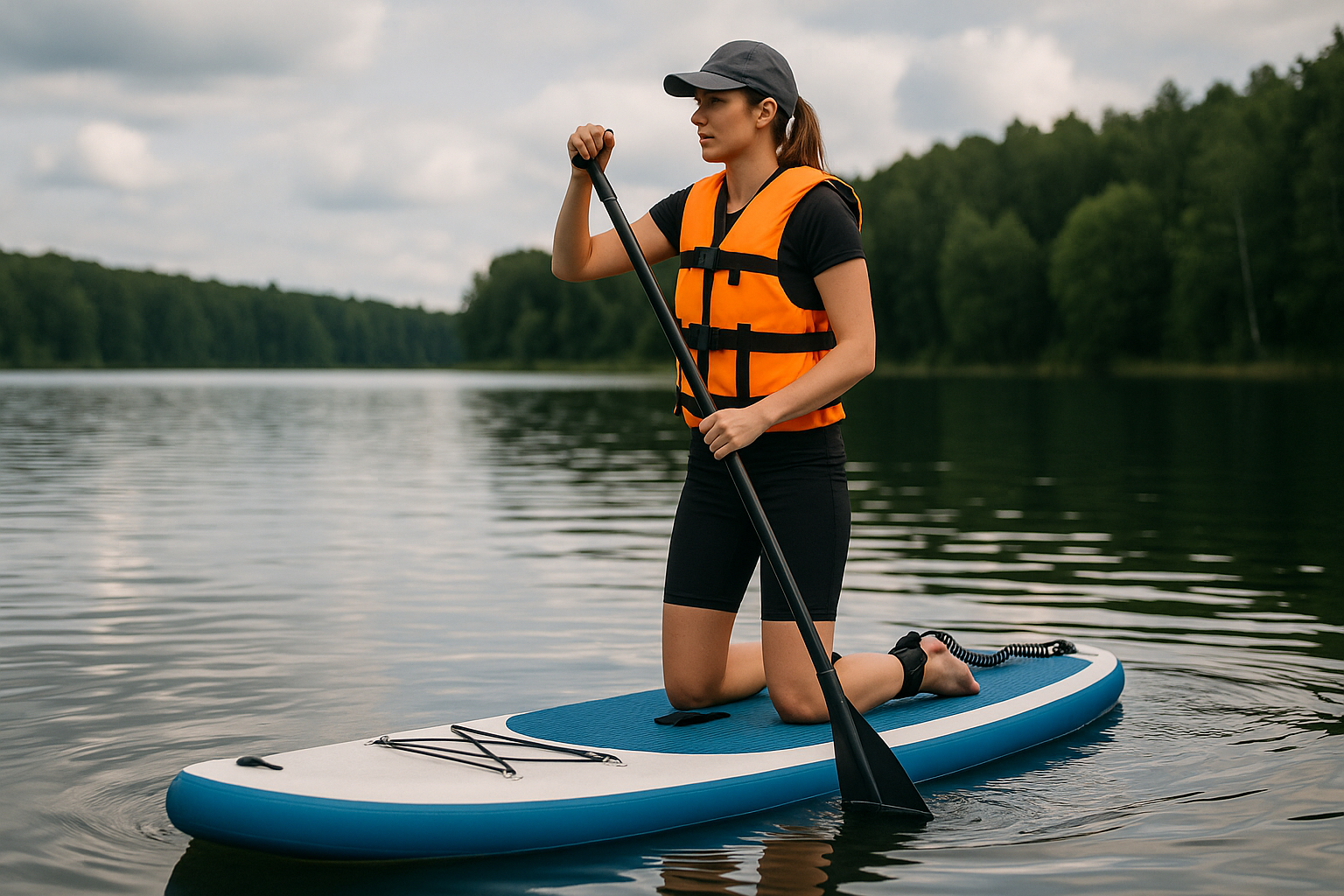 To ensure a safe and enjoyable experience while stand-up paddleboarding (SUP), it's essential to embrace a few key practices. First and foremost, always don a buoyancy aid or Personal Floatation Device (PFD). This not only supports your ability to stay afloat but also offers reassurance as you navigate the waters.
It's wise to keep your phone protected in a waterproof pouch, enabling you to reach out for help if needed. Additionally, using the right leash is crucial; it keeps your board close by, preventing it from drifting away should you take an unexpected tumble.
Staying informed about weather conditions is imperative. Steer clear of offshore winds that can push you far from shore and lead to perilous situations. Before paddling out, always check the tides and currents since they can significantly influence your journey on the water.
Going solo can increase risks, making it more prudent to paddle with a companion for added safety. Don't forget to notify someone about your plans, including your expected return time.
Choosing suitable clothing for the season also contributes to safety while paddling. For instance, thermal attire is ideal during colder months, whereas sun protection becomes vital in summer heat. Dressing appropriately helps safeguard against hypothermia or sunburn.
If you're new to SUP or looking to refine your skills, consider taking lessons from knowledgeable instructors. They can provide valuable insights into proper techniques and essential safety measures. By incorporating these tips into your paddleboarding routine, you'll be able to enjoy the water while minimizing potential hazards.
Essential safety gear for paddleboarding
To ensure a safe and enjoyable paddleboarding experience, using the right safety gear is essential. A Personal Floatation Device (PFD) or lifejacket is a must-have, as it offers crucial buoyancy and support in case you take an unexpected plunge into the water. Make sure your PFD fits snugly yet allows for free movement; this combination will enhance your comfort while paddling.
Another key component of your safety setup is the paddleboard leash. This handy device keeps your board tethered to you, preventing it from drifting away should you fall off. It also contributes to your stability as you paddle, making it indispensable for safe outings.
In any emergency situation, clear communication can be life-saving. That's why carrying a mobile phone in a waterproof case is vital. With this precaution, you can call for assistance without worrying about damaging your device if it gets splashed.
Dressing appropriately for the weather plays a significant role in both comfort and safety on the water. Layering can keep you warm during chilly conditions, while breathable fabrics shield against sun exposure—helping to avoid problems like hypothermia or overheating.
Additionally, think about adding compact items such as a whistle or other signaling devices to your gear. These small tools are invaluable for alerting nearby individuals if you're in trouble and are easy to carry along while paddleboarding. By arming yourself with these essential safety items, you'll significantly boost not only your security on the water but also your confidence during every outing.
Importance of personal flotation devices
Personal flotation devices (PFDs), including lifejackets and buoyancy aids, play a crucial role in ensuring safety while paddleboarding. They provide essential support if you happen to fall into the water, making it easier to stay afloat and helping you regain control. It's vital to select a PFD that fits well; it should be snug yet allow for unrestricted movement. This combination not only enhances comfort but also improves your overall paddling experience.
Safety experts emphasize that wearing a PFD significantly reduces the risk of drowning. According to the U.S. Coast Guard, a staggering 85% of drowning victims were not wearing lifejackets at the time of their incidents. This alarming statistic underscores the importance of having a properly fitted flotation device whenever you're on the water.
Additionally, PFDs can greatly enhance confidence for those new to paddleboarding, allowing them to enjoy their time on the water even when facing various conditions. Therefore, incorporating personal flotation devices into your paddleboarding equipment is essential—not just a suggestion—for ensuring a safe and enjoyable outing on the water.
Choosing the right lifejacket
Choosing the right lifejacket is essential for your safety while paddleboarding. A popular option among paddlers is the inflatable belt pack personal flotation device (PFD). This convenient lifejacket activates with a simple pull tab and can be comfortably worn around your waist. Additionally, you have the option to tether it to your paddleboard for extra peace of mind.
When selecting a lifejacket, ensure that it fits snugly yet allows for easy movement. Comfort plays a key role in enhancing your paddling experience. It's wise to look for jackets that adhere to safety standards and are tailored to your weight and intended use. For example, casual paddlers often prefer:
- lighter, less cumbersome designs,
- features that allow for better mobility,
- options suitable for leisurely outings.
Consider other features as well. Lifejackets equipped with:
- reflective materials,
- pockets for carrying essentials,
- signaling devices or emergency supplies,
- enhanced buoyancy,
- comfortable straps.
Wearing a properly fitted lifejacket significantly lowers the risk of drowning. Experts recommend keeping one on at all times, regardless of how confident you feel in the water or your swimming abilities. In fact, statistics reveal that approximately 85% of drowning incidents occur when individuals are not using personal flotation devices (PFDs). Thus, choosing the appropriate lifejacket is a vital component of your paddleboarding gear.
Using a leash to stay connected
Choosing the right leash is essential for ensuring your safety while paddleboarding. A paddleboard leash keeps your board nearby, preventing it from drifting away if you happen to fall off. While most boards are equipped with an ankle leash, this option might not be ideal in all environments, particularly in tidal or flowing waters.
In such conditions, opting for a leash that features a quick release mechanism is advisable. This handy feature allows you to easily detach from your board during emergencies, reducing the risk of being trapped. Quick-release waist leashes offer greater freedom of movement while still keeping you connected to your board and maintaining safety.
Ultimately, selecting the appropriate leash enhances your stability and confidence on the water, making it an indispensable piece of gear for both novice and seasoned paddlers alike.
Keeping a mobile phone in a waterproof pouch
Storing your mobile phone in a waterproof pouch is crucial for safeguarding it while paddleboarding. This straightforward measure shields your device from potential water damage and ensures you can reach out for help if needed. With a waterproof case, accessing your phone becomes hassle-free, enabling you to call for assistance without delay.
It's wise to keep the pouch easily accessible—consider:
- placing it in a buoyancy aid pocket,
- wearing it around your neck,
- avoiding stowing it away in a dry bag on your board.
This strategic positioning allows you to grab it quickly during unforeseen circumstances. Plus, having your phone within arm's reach not only boosts your safety but also lets you capture stunning photos and document memorable moments on the water.
Incorporating a waterproof pouch into your gear can significantly enhance communication during emergencies while providing peace of mind as you relish the joys of paddleboarding.
Paddling risks and how to mitigate them
Paddling can be an exhilarating adventure, but it’s important to recognize and manage the associated risks for a safe outing. Among the primary threats are environmental factors such as offshore winds and tidal currents, which can complicate your journey. Another significant danger is cold water shock; in frigid regions, unexpectedly falling into icy waters can quickly lead to incapacitation.
To minimize these risks, thorough preparation is essential. Before heading out, always check the weather forecast—steering clear of offshore winds can prevent you from being swept away from shore. Additionally, having a grasp on tidal patterns and currents allows you to anticipate changes and navigate more effectively.
Going solo while paddling heightens your risk considerably. In case of emergencies, having a companion can offer vital support. Whenever possible, it’s wise to paddle with a partner and inform someone of your plans along with your expected return time.
Cold water shock poses a particular threat during chilly months. To reduce the likelihood of hypothermia, consider wearing thermal clothing when it’s cold outside. Engaging in warm-up exercises before entering the water can also help your body acclimate to sudden temperature shifts.
Being aware of your surroundings is crucial for staying safe as well. Regularly scanning the area for other paddlers or potential hazards keeps you alert to any emerging dangers.
By familiarizing yourself with these paddling risks—such as offshore winds, tidal currents, and cold water shock—and adopting strategies like partnering up and staying informed about weather conditions, you significantly enhance your safety on the water.
Recognizing offshore winds and tidal currents
Offshore winds, which blow from the land towards the sea, can give the water a serene appearance. However, these winds have a tendency to swiftly carry paddlers away from the shoreline, creating challenges when trying to return. This makes it essential to be aware of offshore winds before heading out on your stand-up paddleboard (SUP). At beaches with lifeguards, paying attention to wind direction is particularly critical since conditions can shift unexpectedly.
Tidal currents pose another notable danger. These currents are influenced by the gravitational forces of the moon and sun, affecting how water moves in coastal regions. By familiarizing yourself with tidal patterns, you can better predict how changes in currents may affect your route. Understanding both offshore winds and tidal currents is key for effective planning and safer navigation.
Moreover, regularly checking local weather forecasts is crucial for identifying potential hazards related to these elements. Staying updated on such factors allows you to enjoy a more secure paddleboarding experience while reducing risks on the water.
Understanding cold water shock
Cold water shock poses a significant safety risk for enthusiasts of water activities, particularly stand-up paddleboarding (SUP). This phenomenon occurs when someone unexpectedly plunges into frigid water. The abrupt shift in temperature can trigger an involuntary gasp reflex, leading to hyperventilation and confusion. If these responses are not handled effectively, the likelihood of drowning increases dramatically.
To mitigate the effects of cold water shock, it’s essential to wear appropriate clothing. A wetsuit or drysuit provides thermal insulation and buoyancy, helping to keep your body warm and enhancing your control while in the water. Always opt for attire designed for colder conditions in order to prepare for any sudden immersion.
Research indicates that falling into icy waters can lead to incapacitation within just minutes due to hypothermia. Therefore, knowing how to react—such as regulating your breathing and swimming steadily—can be lifesaving. Additionally, checking the local water temperatures before you set out on your SUP is a wise move that helps you make informed decisions about safety gear and overall preparation.
Risks of paddling alone
Paddling alone can significantly heighten the risks associated with stand-up paddleboarding (SUP). One of the primary concerns is that if an emergency situation arises, being on your own could have dire consequences. Without a partner, you might struggle to find assistance during challenges like capsizing or exhaustion.
When venturing out solo, preparation for emergencies becomes crucial. It's wise to inform someone of your plans and when you expect to return. This way, they can alert authorities if you fail to arrive as scheduled. Additionally, carrying a mobile phone in a waterproof pouch ensures that help is just a call away if necessary.
Environmental factors can also introduce hazards, including sudden changes in weather and strong currents. When you're out there alone, keeping an eye on the conditions is vital at all times. If inclement weather strikes or tides shift unexpectedly, being vigilant enables you to make swift decisions that could avert dangerous situations.
To mitigate these risks while paddling solo, consider implementing some safety measures:
- always wear a Personal Flotation Device (PFD),
- use a leash to remain attached to your board,
- stay updated on local water conditions.
By adhering to these guidelines, those who paddle alone can enhance their safety and enjoy their time on the water with greater assurance.
Emergency preparedness while paddleboarding
Being prepared for emergencies is key to enjoying a safe paddleboarding adventure. One crucial element of this preparation is having dependable communication tools. For example, keeping a mobile phone or VHF radio in a waterproof pouch enables you to reach out for help without the fear of water damage.
Another important precaution is to let someone know your paddling itinerary. Provide them with details about your route and when you expect to return. This way, if anything goes awry, they can alert the authorities on your behalf. Additionally, familiarizing yourself with how to identify your stand-up paddleboard (SUP) in emergencies can significantly aid in rescue operations.
It’s also vital to stay updated on local weather conditions. Storms can arise unexpectedly, so being informed allows you to make quick decisions regarding your safety while out on the water. By adopting these practices, you greatly improve your ability to handle any emergencies that may occur while paddleboarding.
Furthermore, making sure that your communication device is readily accessible can save precious time during crises. Opt for storage solutions that enable fast retrieval—such as pockets in buoyancy aids or around-the-neck pouches. This level of readiness not only boosts your confidence but also enhances overall safety while enjoying paddleboarding.
Using emergency communication devices
Having emergency communication devices while paddleboarding is essential for ensuring your safety on the water. Whether you choose to carry a mobile phone or a VHF radio, having quick access to help during emergencies can make all the difference. Just remember to store these devices in a waterproof pouch; this simple step protects them from potential water damage and guarantees they will function when you need them most.
Keeping your communication device within easy reach can be lifesaving. Rather than tucking it away on your board, think about placing it in a pocket of your buoyancy aid or wearing it around your neck. This way, you can swiftly grab it if you find yourself separated from your board or facing unexpected situations.
Moreover, effective communication can boost your confidence as you paddle along. It allows you to immerse yourself in the experience without the burden of constant worry. By incorporating reliable emergency communication tools into your paddleboarding essentials, you're not just enhancing safety—you're elevating the entire adventure on the water.
Identifying your SUP for emergencies
Knowing how to identify your stand-up paddleboard (SUP) in emergencies is crucial for ensuring your safety on the water. To enhance your preparedness, it’s a good idea to share your paddling itinerary with someone you trust. Let them know your planned route, when you expect to leave, and when you'll be back. This way, if you don’t return as scheduled, they can notify the authorities, which greatly improves your safety.
Paddling alongside friends also boosts safety. Having companions means there’s help readily available if something unexpected occurs, such as capsizing or experiencing a medical issue. It's essential to stay alert to environmental risks associated with paddling; always choose locations that consider current weather and any potential hazards.
Additionally, familiarize yourself with the identifying features of your SUP. Adding a unique marker to your board can make it much easier for rescuers to locate you during an emergency. Bright colors or reflective tape are excellent options for improving visibility.
By implementing these strategies—communicating your plans, paddling in groups, and knowing how to identify your board—you’ll significantly enhance emergency preparedness while enjoying a safer paddleboarding adventure.
SUP safety tips for all levels
To ensure a safe and enjoyable stand-up paddleboarding (SUP) experience, keep these key safety tips in mind, regardless of your skill level.
First and foremost, it's essential to wear a buoyancy aid or Personal Flotation Device (PFD). This vital equipment not only boosts your chances of staying afloat but also provides reassurance while you’re out on the water.
Before you embark on your adventure, check the weather forecast. Being aware of conditions such as wind direction and tidal movements can significantly influence how you paddle. For example, steer clear of offshore winds; they can swiftly carry you away from the shore.
If you're just starting with SUP, consider taking some lessons. Learning from professionals can sharpen your skills and familiarize you with important safety protocols. Additionally, seasoned paddlers can offer valuable insights to help refine your technique and reduce potential risks associated with this activity.
It's also important to stay vigilant about your surroundings. Regularly scanning the area for hazards or other water users will help you remain alert to any unexpected dangers that might arise.
Moreover, always inform someone about your plans, including when you expect to return home. This simple precaution adds an extra layer of safety in case anything goes awry.
- wear a buoyancy aid or PFD,
- check the weather forecast,
- consider taking some lessons,
- stay vigilant about your surroundings,
- inform someone about your plans.
By integrating these SUP safety tips into your routine, you'll not only safeguard yourself but also contribute to a safer environment for everyone enjoying this beloved water sport.
Best practices for beginners and novices
Taking paddleboarding lessons is a fantastic idea for newcomers and those eager to refine their skills. These sessions cover vital techniques, including:
- how to paddle both forward and backward,
- execute turns,
- effectively remount the board after a spill.
This structured approach not only helps in building foundational skills but also instills important safety knowledge critical for enjoying your time on the water.
A significant part of these lessons focuses on safety practices like the proper use of Personal Flotation Devices (PFDs) and leashes. Wearing a well-fitted PFD boosts buoyancy and greatly reduces drowning risks. Shockingly, research indicates that approximately 85% of drowning victims were not wearing life jackets at the time of the incident. Moreover, understanding how to secure a leash properly ensures that your board stays close by instead of drifting away if you fall.
For beginners, familiarizing themselves with local weather conditions before venturing out is essential. Being aware of factors such as:
- tides,
- currents,
- potential hazards.
This awareness significantly enhances safety while out on the water.
Additionally, practicing skills under the guidance of experienced instructors allows novice paddlers to build confidence in various situations. By integrating these best practices into their paddleboarding experiences, beginners can fully enjoy their adventures while minimizing risks associated with this exhilarating sport.
Maintaining awareness of weather conditions
Being aware of the weather is crucial for your safety while paddleboarding. Conditions can dramatically influence your experience on the water, with wind being a significant factor to consider. A strong breeze can push you away from where you launched, making it challenging to get back to shore. That’s why it’s essential to check the weather forecast before embarking on your paddleboarding journey.
Staying close to the shoreline and monitoring any shifts in weather can keep you safer. Unexpected gusts or sudden storms can lead to perilous situations, so it's wise to avoid paddling during strong winds or unfavorable conditions that could put you at risk.
In addition to watching for wind, it’s important to stay informed about tides and currents. These elements fluctuate throughout the day and can greatly affect your paddling path. By keeping an eye on these factors, you not only minimize risks but also enhance your overall safety during stand-up paddleboarding (SUP). When you prioritize understanding weather conditions, you're not just keeping yourself safe; you're also ensuring a more enjoyable experience on the water.
- check the weather forecast before paddleboarding,
- stay close to the shoreline,
- monitor shifts in weather,
- avoid paddling during strong winds,
- stay informed about tides and currents.