
Sensory toys 12m+
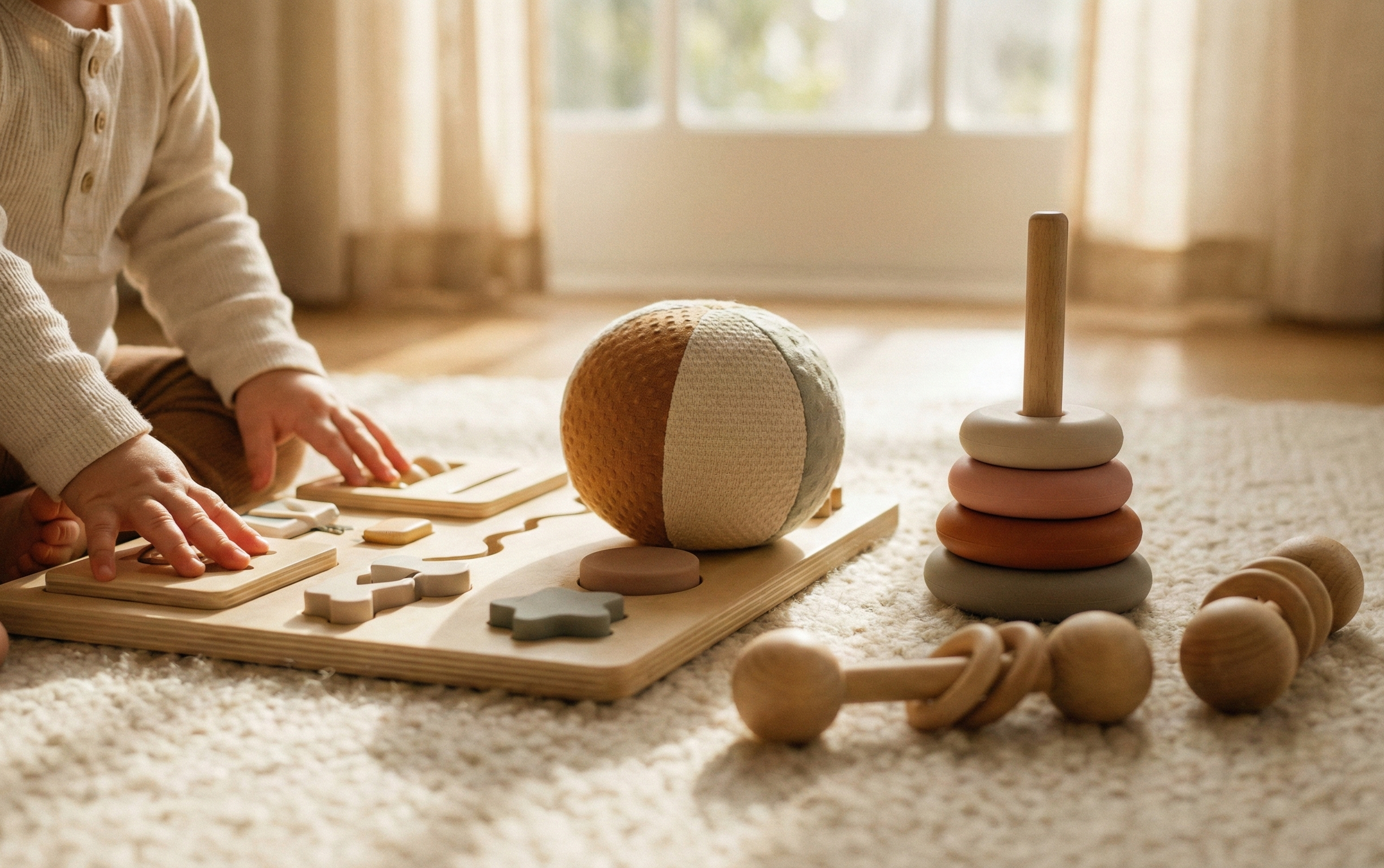 Sensory toys for babies around 12 months old play a vital role in their early learning and development. Specifically crafted to stimulate various senses—such as touch, sight, and sound—these toys encourage little ones to engage with the world around them. For instance, textured sensory toys often combine different materials that invite infants to explore through touch, which is essential for developing fine motor skills as they grasp, squeeze, and manipulate them.
Beyond just tactile experiences, many of these toys are designed with vibrant colors and intriguing sounds that capture a child's interest. This visual stimulation not only entertains but also enhances cognitive abilities by aiding in the recognition of patterns and hues. Additionally, the auditory features introduce a range of sounds that further develop listening skills.
At this developmental stage, sensory play becomes particularly crucial as it fosters curiosity and encourages independent exploration. Interacting with these toys supports sensory processing too, helping children make sense of their surroundings while boosting their confidence in social interactions.
Incorporating sensory toys into playtime offers more than just physical benefits; it significantly enriches cognitive growth during this pivotal period at 12 months and beyond.
Benefits of Sensory Toys for Babies
Sensory toys play a vital role in the growth and development of infants. These engaging tools stimulate key senses such as touch, sight, and hearing, offering a comprehensive way for babies to learn. When little ones interact with sensory toys, they can discover a variety of textures and sounds that enhance their cognitive abilities and fine motor skills.
For example, textured balls or rattles motivate babies to grasp and manipulate them, which helps improve their dexterity. The vibrant colors found in many sensory toys not only capture attention but also aid in visual recognition and memory enhancement. Additionally, the different sounds produced by these toys contribute to developing listening skills.
Another significant advantage of using sensory toys is their impact on emotional regulation. As babies engage with these objects, they begin to express their feelings through play. This interaction allows them to cultivate coping strategies for emotions like frustration or excitement. Such formative experiences foster emotional growth by providing a sense of security during exploration.
Integrating sensory toys into playtime is essential for nurturing curiosity and building confidence in social interactions. By encouraging independent exploration in a safe environment, these educational resources create valuable opportunities for meaningful learning experiences that support overall well-being as infants achieve their developmental milestones.
Physical and Cognitive Development
Sensory toys are essential for the physical and cognitive development of children, particularly around the age of 12 months. These engaging tools help enhance hand-eye coordination as little ones grasp, shake, and manipulate them, fostering vital motor skills that contribute to their growth. Through playful interaction with these toys, children not only refine their fine motor abilities but also promote overall physical activity as they explore their surroundings.
On the cognitive front, sensory play is crucial for brain development. It activates various senses—such as touch, sight, and sound—which in turn supports learning and memory retention. For instance, when a child engages with textured materials or vibrant objects, they boost their visual recognition skills while sharpening their ability to process information. The sounds produced by these toys also aid in developing listening skills that are fundamental for acquiring language.
Moreover, social connections often blossom when kids share sensory toys during playtime. These shared experiences foster communication skills and encourage teamwork as they learn to navigate interactions within a group setting. Integrating sensory toys into a child's daily activities significantly enriches both their physical capabilities and cognitive abilities during this pivotal stage of growth.
Encouraging Exploration and Interaction
Encouraging little ones to discover their surroundings plays a vital role in their overall development, particularly when it comes to sensory toys. These engaging tools invite toddlers to explore various textures, sounds, and movements, enriching their sensory experiences. As they interact with these toys, children not only enhance their cognitive abilities but also improve hand-eye coordination.
Through hands-on experimentation with sensory items, toddlers cultivate important problem-solving skills. For instance, when they manipulate a textured toy or listen closely to different sounds an object produces, they learn to adjust their actions based on the feedback they receive from the world around them.
Moreover, sensory toys ignite creativity by providing endless play possibilities. Kids can use them in imaginative ways—crafting stories or scenarios that mirror their understanding of life. This form of interactive learning nurtures curiosity and inspires independent exploration.
Incorporating sensory toys into everyday activities fosters well-rounded growth—cognitive, physical, and emotional—by creating a rich environment that encourages toddlers to explore and engage with one another.
How Sensory Toys Support Development
Sensory toys are vital in nurturing a child's development. They cater to sensory processing needs by introducing a variety of textures, sounds, and colors. These captivating toys enable children to explore and distinguish among different sensory experiences effectively. As kids engage with these objects, they also enhance their fine motor skills through grasping and manipulation.
Moreover, sensory play fosters cognitive growth by establishing essential neural connections in the brain that support learning. For instance, when children interact with toys that produce various sounds or boast distinct textures, they not only immerse themselves in imaginative play but also sharpen their problem-solving abilities. Studies indicate that such interactions can boost memory retention and comprehension skills.
As kids play with sensory toys, they begin to express their emotions more freely. This expression is crucial for emotional regulation and social interactions since it aids them in developing coping strategies during moments of excitement or frustration. Ultimately, integrating sensory stimulation into everyday activities creates valuable opportunities for comprehensive development across:
- physical skills,
- cognitive abilities,
- emotional growth.
Enhancing Hand-Eye Coordination
Boosting hand-eye coordination in young children is crucial for their overall growth, particularly when they engage with sensory toys. These engaging playthings promote active exploration, allowing kids to develop vital motor skills through simple actions like grasping and stacking. For instance, as toddlers shake a rattle or build with colorful blocks, they refine their ability to synchronize hand movements with visual cues. Studies show that interaction with sensory toys greatly enhances hand-eye coordination. As children investigate various textures and shapes, they not only improve their dexterity but also develop spatial awareness. This foundational skill set paves the way for important activities down the line, such as writing and feeding themselves. Moreover, sensory play fosters an environment ripe for discovery and learning. Kids learn to modify their actions based on the feedback from the toys they manipulate. This process not only sharpens their physical abilities but also boosts cognitive skills as they navigate challenges. By weaving educational toys into everyday routines, we can spark curiosity and offer diverse experiences that nurture essential motor functions necessary for daily life tasks.Developing Fine Motor Skills
Fostering fine motor skills in children is vital for their overall development. These skills, which rely on the small muscles in their hands and fingers, can see significant enhancement through the use of sensory toys. Such toys motivate kids to engage in actions like grasping, pushing, and pulling, effectively honing their dexterity and control.
Tactile games—think textured balls or stacking blocks—invite infants to discover different shapes and materials. As they play with these objects, they not only strengthen their grip but also improve hand-eye coordination. For example, when toddlers shake or manipulate sensory toys, they're practicing the precise movements that will later help them with tasks such as writing or buttoning garments.
Integrating baby activity toys into everyday routines provides interactive learning opportunities. Studies indicate that engaging with sensory items fosters neural connections in young brains that are crucial for fine motor skill advancement. Furthermore, these playful activities enhance cognitive abilities as children learn to navigate challenges through trial and error.
In essence, nurturing fine motor skills with sensory toys lays a solid groundwork for more complex tasks down the line. It also contributes significantly to cognitive growth while promoting emotional development during this formative phase of childhood.
Promoting Self-Regulation
Exploring sensory toys can greatly enhance self-regulation in children, especially those with autism or ADHD. These playful tools offer soothing effects that assist in managing emotions, thanks to their familiar textures and sounds that help ease anxiety. By engaging with these toys, kids find a safe haven where they can express their feelings and cope with stress through imaginative play.
Take tactile toys like stress balls or textured blocks, for instance; they provide children with a reassuring sense of security as they experiment with various sensations. This hands-on experience not only fosters emotional development but also empowers kids to identify and articulate their feelings during playtime. As they squeeze, shake, or roll these objects, they're actively engaging their senses while learning valuable coping mechanisms for overwhelming situations.
Additionally, the consistent use of sensory toys can enhance focus and attention spans. When children have such resources at hand during challenging moments, they become more adept at regulating their emotions. Incorporating these calming aids into everyday routines teaches essential self-soothing techniques crucial for healthy emotional growth.
Integrating sensory toys into children's playtime significantly contributes to developing self-regulation skills. This support allows them to navigate social interactions more effectively and tackle daily challenges with greater confidence.
Types of Sensory Toys for 12-Month-Olds
Sensory toys for 12-month-olds come in a delightful array of options, each designed to engage the senses and aid crucial developmental stages. Popular selections include:
- crinkle toys that produce amusing sounds,
- textured blocks perfect for tactile discovery,
- soft activity books brimming with various materials,
- rattles that offer auditory feedback,
- busy boards that promote manipulation and problem-solving.
Crinkle toys capture attention with their distinctive sounds and engaging textures, making them excellent for stimulating both hearing and touch. Textured sensory items allow babies to explore different surfaces while enhancing their fine motor skills as they grasp and play with these intriguing objects. Soft activity books enchant little ones with vibrant illustrations and assorted textures, fostering visual recognition and supporting language development.
Rattles remain a classic favorite among infants since they help improve gripping techniques when babies shake them to create noise. Busy boards provide an interactive setting where toddlers can experiment with buttons, zippers, and other fasteners; this not only nurtures fine motor abilities but also ignites curiosity about how things function.
By introducing these sensory toys into playtime routines, you encourage physical growth alongside cognitive development through independent exploration. With an abundance of sensory experiences available to them, children can joyfully navigate their surroundings while learning simultaneously.
Textured Sensory Toys
Textured sensory toys are crafted to enrich a child's tactile experiences, playing an important role in their sensory growth. These engaging toys come in a variety of materials and surfaces—think soft fabrics, bumpy textures, and squishy components—that invite children to explore and interact with the world around them. As kids engage with these textured items, they enhance their cognitive skills and fine motor abilities by grasping, squeezing, and manipulating them.
Tactile games that feature textured balls or blocks ignite curiosity as they encourage children to investigate different shapes and sensations. While playing with these objects, infants naturally develop crucial hand-eye coordination through actions like gripping or rolling them. Studies indicate that such tactile experiences can boost cognitive functions by improving memory retention and enhancing problem-solving skills.
Moreover, interacting with these toys aids in emotional regulation for young ones. For instance, textured stress balls can provide comfort during moments of anxiety while also helping kids articulate their feelings more clearly. This kind of engagement fosters emotional development and encourages social interactions as children share their experiences with friends.
Incorporating textured sensory toys into daily playtime not only supports physical agility but also promotes cognitive advancement and emotional health. Therefore, these delightful toys are a valuable addition for families aiming to foster well-rounded learning for their little ones.
Lights and Sound Sensory Toys
Lights and sound sensory toys are crafted to captivate children's attention through vibrant visual and auditory experiences. These engaging playthings come in various forms, such as bright light-up gadgets, musical instruments, and devices that produce sounds, all designed to enhance sensory exploration. Light-up toys are particularly beneficial for infants and toddlers. Their vivid colors and dynamic lights stimulate young eyes. For instance, toys featuring blinking lights or swirling patterns not only provide entertainment but also foster cognitive development by promoting:- color recognition,
- pattern identification,
- visual tracking.
Movement Sensory Toys
Movement sensory toys are essential for encouraging infants and toddlers to be active and explore their surroundings. Items like baby walkers, push toys, and activity gyms significantly contribute to the development of crucial movement skills and coordination necessary for a child’s growth. When little ones interact with these toys, they enhance their motor abilities as they learn how to balance, push, pull, and navigate the world around them.
Baby walkers stand out in this regard. They provide support as children take those important first steps and help build their confidence. With a baby walker, infants can explore walking independently while feeling secure. Likewise, push toys are excellent for strengthening leg muscles and improving balance since they allow kids to practice walking while holding onto something stable.
Activity gyms also play a vital role in promoting movement through engaging play. These setups often feature hanging toys that babies can reach out to or kick at, fostering gross motor skills such as reaching and kicking while enhancing hand-eye coordination. This kind of varied interaction is especially important during early childhood when fundamental physical capabilities are being established.
In addition to physical benefits, movement sensory toys also encourage cognitive development. As children manipulate different parts of these toys, they hone their problem-solving skills. By incorporating movement sensory toys into playtime routines, caregivers can effectively support both physical health and cognitive advancement—two critical components of early childhood growth.
Choosing the Right Sensory Toys
Selecting sensory toys for toddlers requires thoughtful consideration to ensure a fun and safe playtime. To start, parents should prioritize toys that are not only non-toxic but also appropriate for their child's developmental stage. Safety is paramount, so opting for toys without small parts can significantly reduce the risk of choking.
Additionally, durability is key when choosing sensory toys, as toddlers often play energetically. High-quality materials enhance longevity and provide a consistent sensory experience. For example, rubber and silicone are popular choices due to their sturdiness and ease of cleaning.
As you explore sensory toy options, consider various types that stimulate different senses:
- tactile toys with unique textures engage touch,
- auditory toys create sounds that intrigue hearing,
- visually stimulating options boast vibrant colors.
These varied sensory interactions foster overall development by enhancing cognitive abilities, fine motor skills, and emotional regulation.
By emphasizing safety features like size and material quality, parents empower toddlers to confidently explore their environment while enjoying meaningful sensory play experiences.
High-Quality Sensory Play Options
Creating a safe and stimulating environment for young children, especially those around 12 months old, hinges on high-quality sensory play options. Parents should prioritize toys crafted from non-toxic materials that can withstand the rigors of active play, ensuring both safety and longevity.
For instance, textured sensory toys provide a variety of surfaces that encourage exploration and tactile engagement. These items not only engage a child's sense of touch but also aid in developing fine motor skills as little hands grasp and manipulate them. Additionally, incorporating sounds through rattles or other noise-making toys can amplify the sensory experience, supporting listening abilities and cognitive growth.
Educational tools like busy boards or activity gyms foster problem-solving skills through interactive play. These resources not only promote physical activity but also invite toddlers to discover an array of textures, colors, and sounds, enriching their learning journey.
To highlight some key characteristics of top-notch sensory play options:
- Non-toxic materials guarantee safe interactions,
- Sturdy designs endure energetic use,
- Engaging features activate multiple senses such as touch, sight, and sound,
- Educational tools encourage cognitive development alongside fine motor skill enhancement.
By weaving these exceptional sensory play options into daily routines, parents can cultivate a supportive atmosphere that nurtures their child's overall development while sparking joy in the adventure of discovery.
Special Needs Considerations
When selecting toys for children with special needs, it's crucial to take their distinct sensory processing needs into account. Sensory toys can play a significant role in providing comfort and helping these children manage their emotions more effectively. For example, weighted items and fidget toys serve as fantastic resources for alleviating anxiety and enhancing concentration.
Many children in this category experience heightened sensitivities or difficulties with sensory integration. Therefore, offering toys that feature diverse textures, sounds, and visual elements can create a more inviting environment for exploration. Toys like tactile balls or textured blocks not only promote active play but also assist in developing fine motor skills.
Moreover, sensory toys encourage self-expression and foster social interactions among peers. While playing together, children can exchange experiences related to fidget toys, which helps enhance their communication skills and teaches them about taking turns. Studies have shown that integrating these specialized tools into everyday activities can significantly boost emotional awareness and coping mechanisms.
Ultimately, choosing the right toys for children with special needs involves recognizing their individual preferences and sensory requirements. These toys should act not only as calming aids but also contribute to advancements in physical abilities, cognitive development, and emotional health.
Engaging Sensory Play Ideas
Creating a vibrant sensory environment for babies can significantly enrich their playtime. Engaging in sensory activities not only encourages exploration but also boosts cognitive growth and fosters emotional development. Here are some exciting ideas for sensory play that parents can easily implement:
- establish a designated play area stocked with a variety of sensory toys, such as textured balls, soft blocks, and crinkle toys,
- set up a tactile station where little ones can feel different materials—like smooth silk or coarse burlap—to discover an array of textures,
- encourage collaborative activities with caregivers or siblings to nurture social connections,
- introduce puppets or colorful fabrics to create imaginative storytelling scenarios that captivate both auditory and visual senses,
- create sensory bins filled with safe materials like rice, beans, or water beads for exploration.
These activities present fantastic opportunities for babies to dig through these elements using scoops or their hands to find hidden treasures such as small toys or natural objects like leaves and stones. This type of unstructured play not only helps refine fine motor skills but also enhances tactile awareness.
In addition to these engaging activities, incorporating sounds into play can elevate the experience further. Musical instruments like shakers or tambourines let infants explore rhythm and melody while honing their listening abilities.
Finally, outdoor sensory experiences shouldn’t be overlooked. Activities such as playing in sand or grass offer unique textures that spark curiosity about the natural world around them.
By weaving these lively sensory play ideas into daily routines, parents cultivate an enriching learning atmosphere that supports well-rounded development for their little ones while making exploration fun through interactive moments.
Incorporating Sensory Toys in Daily Activities
Incorporating sensory toys into everyday activities can significantly boost a child's curiosity and involvement. Parents have the perfect opportunity to introduce these engaging tools during moments like tummy time, playdates, or even quiet moments, enhancing their child's sensory experiences.
For example, when it’s tummy time, placing textured mats or soft blocks within reach encourages infants to stretch out and grasp. This not only helps them develop their physical coordination but also sparks their tactile exploration. Playdates present another excellent opportunity for sharing sensory treasures such as rattles and crinkly items. This exchange not only cultivates social skills but also hones fine motor abilities through collaborative play.
Even quiet time can be transformed with soothing sensory toys like squishy stress balls or tactile books featuring a variety of textures. These items foster relaxation while allowing kids to engage in self-directed activities that aid emotional regulation.
By consistently integrating sensory toys into daily routines, caregivers create a vibrant environment that supports cognitive development and overall growth during crucial learning phases.
Creating a Sensory-Friendly Environment
Creating a sensory-friendly environment plays a vital role in fostering exploration and play, especially among young children. By thoughtfully selecting elements that stimulate the senses, caregivers can significantly enhance cognitive and emotional development.
For example, vibrant play mats serve as an excellent foundation for sensory experiences. These mats not only introduce bright colors but also feature various textures that encourage infants to engage with their surroundings. Such interactions are instrumental in developing visual recognition skills. Additionally, sensory boxes filled with items like fabric swatches, assorted balls, or unique textured materials invite children to explore through touch, providing interactive learning opportunities.
Incorporating equipment designed for sensory rooms—such as soft lighting and sound machines—creates a soothing atmosphere that's perfect for exploration. The gentle illumination helps reduce overstimulation while calming sounds offer auditory feedback that keeps children engaged without overwhelming them.
Designating specific areas within the space for various sensory activities allows kids to transition seamlessly between different types of play. For instance, one corner could host a water table for splashing and pouring fun, while another might include climbing structures designed to boost gross motor skills.
By carefully crafting a sensory-friendly environment with:
- colorful play mats,
- engaging sensory boxes,
- specialized equipment for sensory rooms,
- designated play areas for different activities,
- soft lighting and calming sounds.
Caregivers can cultivate an inspiring setting where children are encouraged to explore and interact freely. This thoughtful approach not only nurtures curiosity but also supports crucial developmental milestones during early childhood.