
Sensory toys for a 2-year-old
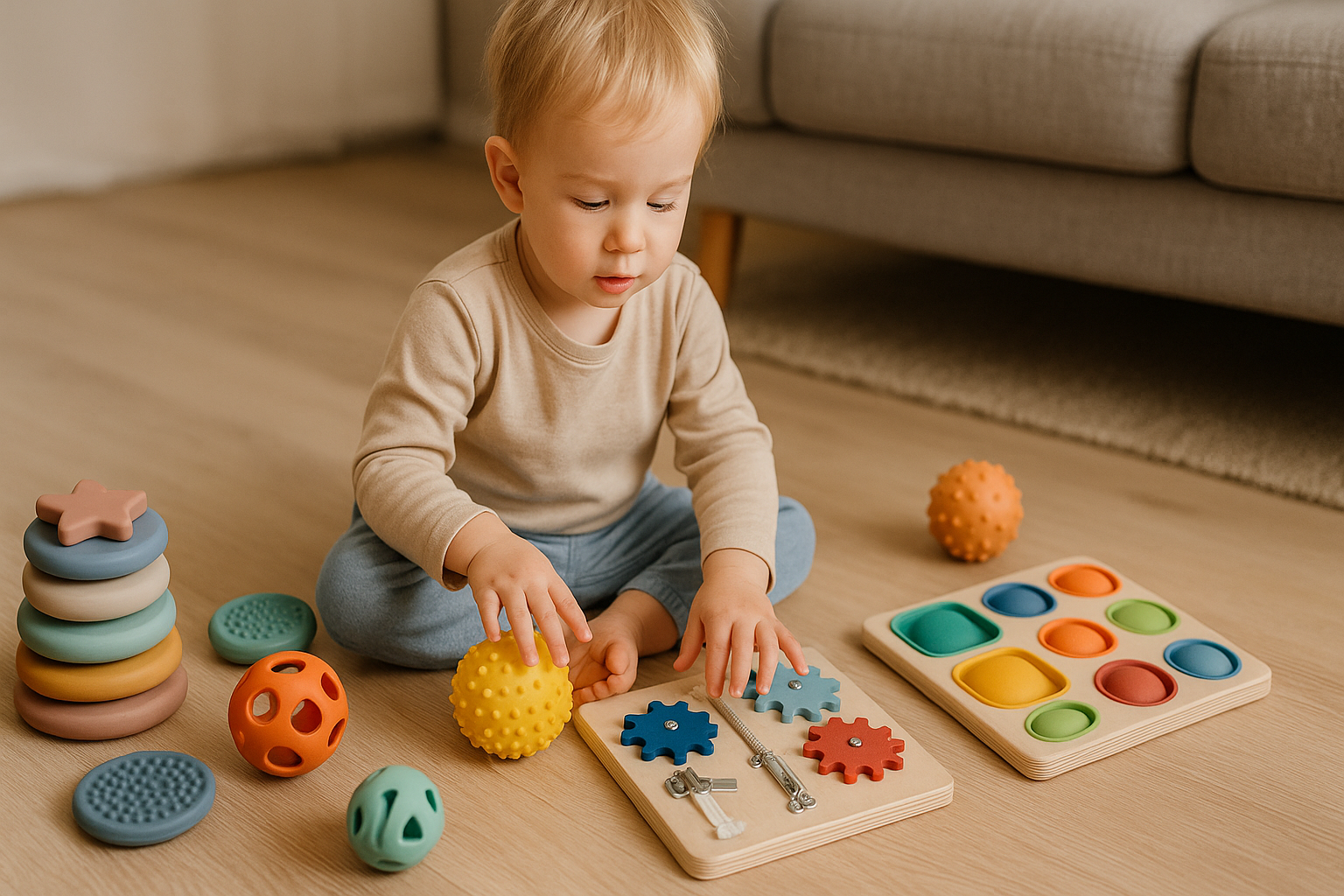 Sensory toys for toddlers are essential tools that stimulate and captivate a child's growing senses. These engaging items promote sensory development by providing an array of textures, sounds, and visual elements that spark curiosity. For instance, toys made from diverse materials offer little ones the chance to feel contrasting sensations through touch—an experience that's vital during this crucial stage of their growth.
In addition to sensory benefits, playing with these toys enhances cognitive abilities. Activities such as stacking textured blocks or experimenting with water beads involve problem-solving and fine motor skills. Through these fun experiences, children develop independence and unleash their creativity. Furthermore, imaginative play encourages self-expression while nurturing social skills through shared interactions.
Some popular sensory toys include:
- squishy balls,
- textured storybooks,
- musical instruments,
- activity mats brimming with tactile features.
- stacking toys.
Each of these toys not only entertains but also educates, making them valuable additions to any playtime routine. By weaving sensory toys into everyday activities, caregivers can support their child's holistic development in an enjoyable and engaging manner.
What Are Sensory Toys?
Sensory toys are unique creations designed to stimulate a child's senses through various features like textures, sounds, and visuals. These engaging tools ignite curiosity and foster creativity, allowing kids to discover their surroundings in meaningful ways. For example, toys crafted from different materials encourage tactile exploration by providing a range of sensations essential for sensory growth.
In addition, these toys can significantly enhance cognitive development. Interacting with them often involves activities that challenge problem-solving skills and fine motor abilities. Whether it's squeezing a soft ball or flipping through a textured storybook, children not only find enjoyment but also strengthen their critical thinking and dexterity.
- squishy balls that offer satisfying tactile experiences,
- musical instruments that provide rich auditory stimulation,
- activity mats filled with intriguing textures for little hands to explore,
- stacking toys that help develop spatial awareness.
By integrating these sensory-rich items into playtime routines, we nurture overall development while ensuring learning remains enjoyable for toddlers.
Benefits of Sensory Toys for Toddlers
Sensory toys offer a wealth of benefits for toddlers, playing a crucial role in their growth and development. One of the key advantages is their ability to enhance sensory processing skills. By engaging multiple senses—such as touch, sight, and sound—these toys help little ones better explore and interact with the world around them.
Moreover, sensory toys are instrumental in developing fine motor skills. Activities like squeezing, stacking, or manipulating these items necessitate precise hand movements that strengthen the small muscles in children’s hands. This foundational skill is vital for future tasks like writing or buttoning shirts.
Another significant benefit lies in their promotion of imaginative play. Sensory toys provide endless opportunities for creativity, allowing toddlers to engage in pretend scenarios and explore different roles. This kind of play not only sparks imagination but also fosters cognitive flexibility.
Additionally, these toys can assist with emotional regulation by offering calming effects through tactile sensations or soothing sounds. When children use them during stressful moments, they learn valuable strategies for managing their emotions more effectively.
Finally, incorporating sensory toys into group activities nurtures social skills. Collaborative play encourages sharing and cooperation while enhancing communication through interactive experiences. In summary, integrating sensory toys into a toddler's daily activities significantly enriches their overall development across various aspects.
How Sensory Toys Support Early Development
Sensory toys play a crucial role in the development of young children. These playful tools not only sharpen cognitive abilities but also enhance hand-eye coordination and inspire curiosity through a delightful mix of textures, sounds, and visuals.
One of the standout advantages of sensory toys is their contribution to cognitive development. Engaging in activities such as:
- squeezing squishy balls,
- manipulating textured blocks,
- stacking toys,
- experimenting with various configurations,
- boosting spatial awareness.
These activities help children refine their problem-solving skills and fine motor abilities. Moreover, these toys provide important opportunities for expressing emotions. As kids interact with them, they begin to articulate their feelings and learn how to cope with frustration or anxiety. Certain calming sensory items can be particularly beneficial, equipping children with effective strategies for managing stress.
Additionally, sensory toys encourage exploration—a natural instinct in young ones eager to investigate their environment. By incorporating these engaging tools into playtime, children can safely discover new sensations and experiences that deepen their understanding of the world around them while fostering a sense of independence.
Weaving sensory toys into everyday activities profoundly impacts a child's holistic growth. It enhances cognitive functions, sharpens hand-eye coordination, nurtures emotional expression, and cultivates an adventurous spirit in exploring new experiences.
Types of Sensory Toys for 2-Year-Olds
Sensory toys for toddlers, especially those around the age of two, come in an array of exciting styles, each crafted to engage different senses and nurture essential developmental skills. Among the favorites are:
- textured toys,
- music and sound toys,
- light-up toys,
- movement toys.
Textured toys provide a delightful range of tactile experiences. For instance, squishy balls offer sensory feedback with every squeeze, while textured storybooks invite tiny hands to explore various surfaces. These engaging interactions play a crucial role in honing fine motor skills and enhancing sensory processing.
Music and sound toys elevate auditory stimulation by inspiring little ones to delve into rhythm and volume. Instruments such as maracas or xylophones allow children to produce sounds creatively while simultaneously improving their coordination. This playful engagement not only cultivates a passion for music but also sharpens listening skills.
Light-up toys captivate young children with their vibrant visuals. Toys that illuminate when pressed or moved grab attention and introduce the concept of cause-and-effect. These dazzling lights can stimulate cognitive growth by igniting curiosity about how actions lead to reactions.
Movement toys promote physical activity while refining gross motor skills. Push-and-pull options encourage walking, whereas ride-on vehicles help enhance balance. Engaging in these activities not only supports physical health but also boosts toddlers' confidence in their ability to move around.
By integrating these varied sensory toys into playtime routines, caregivers can significantly enrich the developmental journey for 2-year-olds. Through joyful and interactive exploration, children flourish across multiple areas of growth.
Textured Sensory Toys
Textured sensory toys offer a delightful way for children to engage with the world around them through touch. With their diverse patterns and surfaces, these toys make playtime an enjoyable and educational experience. They play a crucial role in helping young ones develop fine motor skills and enhance hand-eye coordination. For toddlers, exploring various textures is particularly advantageous as it allows them to encounter new sensations, which is vital for their overall sensory growth.
Among the favorites are:
- squishy balls,
- textured storybooks.
When squeezed, squishy balls provide satisfying feedback, while storybooks invite little hands to interact with different materials. These playful experiences not only entertain but also encourage essential skills needed for everyday activities.
Additionally, these toys foster fine motor development through simple actions like:
- squeezing,
- manipulating objects.
Engaging in such activities strengthens the small muscles in children's hands—muscles that are important for future tasks such as writing or buttoning clothes.
Incorporating textured sensory toys into playtime can significantly enhance toddlers' developmental journeys. They promote tactile exploration and lay the groundwork for the motor skills necessary for growth and learning.
Music and Sound Sensory Toys
Music and sound sensory toys play a vital role in nurturing auditory engagement and encouraging musical discovery in young children. Instruments like percussion toys and toy pianos allow little ones to explore different sounds, which aids them in grasping concepts of rhythm and pitch. Engaging with these instruments is not only entertaining but also beneficial for cognitive development, as it helps toddlers learn to identify various tones.
These toys significantly boost listening abilities by offering experiences that enhance both auditory skills and coordination. For example, when toddlers shake maracas or press keys on a toy piano, they refine their motor skills while learning how different actions produce diverse sounds. This interactive play hones their attention to auditory nuances, an essential factor for language development.
Moreover, music and sound sensory toys promote social interaction during group play. When children share instruments, they engage in creative collaboration that enhances their communication skills as they express themselves musically together. This kind of cooperative play fosters a sense of community among their peers.
Integrating music and sound sensory toys into daily routines enriches the developmental journey of toddlers. It not only boosts auditory stimulation and refines motor skills but also opens up more avenues for social interaction—crucial aspects of early childhood growth.
Light Sensory Toys
Light sensory toys play an essential role in the early stages of a child's visual development. With their vivid colors and dynamic lights, these toys effortlessly capture a toddler's attention. Interaction with these illuminated playthings not only sharpens visual tracking abilities but also lays the groundwork for cognitive growth.
The striking visuals of light sensory toys do more than just fascinate; they encourage active exploration and engagement. For instance, when young ones press buttons to activate lights or witness colors change in reaction to their movements, they begin to grasp important cause-and-effect concepts. This kind of playful experimentation fosters curiosity, inspiring children to investigate their surroundings with greater enthusiasm.
Integrating light sensory toys into daily play routines significantly contributes to healthy brain development by stimulating areas responsible for processing visual information. Frequent exposure to these bright stimuli can boost focus and concentration as children learn to follow moving lights and shifting patterns.
Some popular choices among light sensory toys include:
- vibrant LED projectors that cast images on walls,
- stuffed animals that flash in response to touch,
- interactive books adorned with illuminated illustrations.
Each of these options provides unique avenues for engagement while reinforcing crucial elements of early childhood development, such as visual perception and cognitive skill enhancement.
Movement Sensory Toys
Movement sensory toys are crafted to inspire physical activity and encourage exploration. Engaging in these activities plays a vital role in the development of gross motor skills for young children. These captivating toys not only motivate movement but also awaken the senses, enabling toddlers to interact with their environment in a lively way.
Take bubble machines, for instance; they offer a visually stimulating experience as kids joyfully chase and pop bubbles. Similarly, rolling and spinning toys capture little ones' attention while promoting active play. Interacting with these kinds of toys enhances coordination and balance—key components of physical growth.
Incorporating movement sensory toys into playtime allows caregivers to foster an atmosphere that promotes both exploration and active learning. This playful engagement not only aids in developing crucial motor skills but also encourages children to express themselves creatively through various movement-based activities. Ultimately, these toys serve as essential tools for nurturing both physical health and cognitive development during the early years of childhood.
Fidget Toys and Their Benefits
Fidget toys are crafted to stimulate the senses, making them incredibly useful for young children. By providing a soothing effect in stressful moments, these toys can help alleviate anxiety and boost concentration. For instance, when toddlers squeeze or play with fidget toys, they channel their restlessness into constructive activities.
The benefits of these toys extend far beyond mere entertainment; they also aid in developing fine motor skills. As little ones grasp and manipulate these tactile objects, they enhance their dexterity—an essential ability for tasks such as writing or buttoning shirts later on.
Moreover, fidget toys play a significant role in emotional regulation. In challenging situations, children who engage with these tools discover coping strategies that support their mental well-being. The calming textures and movements offer a comforting experience that helps to reduce feelings of anxiety.
Incorporating fidget toys into playtime provides numerous advantages:
- helps manage stress,
- promotes focus,
- encourages sensory exploration,
- enhances fine motor skills,
- supports emotional regulation.
These advantages significantly contribute to their overall growth while providing enjoyable ways to interact with the world around them.
Weighted Objects for Calming Effects
Weighted objects are increasingly being recognized for their soothing effects, particularly among young children. These items foster a sense of security and encourage relaxation, making them especially beneficial for kids with sensory sensitivities or anxiety. The gentle pressure they provide mimics deep touch stimulation, which has been shown to reduce anxiety and enhance concentration.
Studies indicate that weighted objects can help children feel more anchored, allowing them to better manage intense emotions. For instance, a weighted blanket or stuffed animal can offer comfort during stressful moments or transitions. Research has found that kids who utilize these weighted items often report feeling more secure and calm during quiet times.
Moreover, integrating weighted objects into play routines not only promotes sensory exploration but also aids in emotional regulation. Through engaging with these toys, toddlers can develop effective coping strategies for navigating their feelings. Some common examples of such weighted items include:
- weighted blankets,
- weighted plush toys,
- sensory vests.
These tools serve as calming resources while simultaneously supporting key developmental milestones by enhancing sensory processing and fostering overall well-being in young children.
Choosing the Right Sensory Toys
Choosing the right sensory toys is crucial for a child's sensory growth and engagement. Safety should always come first; opt for toys made from non-toxic materials and steer clear of those with small parts that could be choking hazards. It's also important to select durable toys that can withstand rough handling and regular use.
Another key factor is ensuring the toys are suitable for the child's age. Selecting items that align with specific developmental stages helps effectively engage their senses while fostering imaginative play. For instance:
- young toddlers often thrive with brightly colored, soft-textured toys that stimulate both touch and vision,
- older toddlers may prefer more intricate toys that encourage exploration through movement or sound.
Don’t overlook the importance of multi-sensory engagement. Toys that activate several senses at once not only support cognitive development but also enrich the overall play experience. Great examples include:
- textured balls,
- instruments that produce sound,
- light-up toys that captivate with visual appeal.
Fostering imaginative play is equally essential. Seek out toys that encourage children to role-play or create scenarios with their peers or caregivers. This kind of interactive play enhances creativity and social skills while strengthening emotional bonds during shared moments.
By taking into account factors such as safety, durability, age-appropriateness, multi-sensory engagement, and encouragement of imaginative play, parents can make thoughtful choices in selecting sensory toys that will significantly benefit their child's development.
Factors to Consider When Selecting Sensory Toys
When selecting sensory toys, it's important to take several key factors into account that can enhance a child's development. Start by evaluating the child's developmental stage; the toys should align with their skills and interests. For example, toddlers often flourish with vibrant toys that are easy for them to grasp.
Consider how effectively the toy stimulates multiple senses as well. Toys that provide a variety of experiences can greatly enhance sensory integration and promote cognitive growth. Engaging various senses encourages exploration and enriches learning during playtime. Here are some sensory elements to look for:
- different textures,
- various sounds,
- captivating visual elements.
Moreover, imaginative play is crucial for children's development. Choose toys that ignite creativity and facilitate role-playing opportunities. This not only helps kids articulate their thoughts and feelings but also fosters social skills through collaborative play experiences.
Safety must also be a top priority when choosing sensory toys. Verify that they are crafted from safe, non-toxic materials and do not contain small parts that could pose choking risks.
By thoughtfully considering these aspects—developmental stage, sensory stimulation, imaginative potential, and safety—parents can select the most suitable sensory toys to support their children's growth while ensuring they have fun in the process.
Safe Materials for Sensory Play
Choosing safe materials is crucial for sensory play, particularly for toddlers who explore the world through touch and other senses. Parents should prioritize toys crafted from non-toxic substances to ensure a safe play experience. Popular choices include:
- silicone,
- natural wood,
- BPA-free plastics.
These materials not only provide safety but also enhance longevity, making them capable of withstanding the energetic play typical of young children.
It's essential to steer clear of toys with small components that could pose choking hazards. Opting for larger items specifically designed for toddlers encourages exploration while keeping safety in mind. For instance, soft silicone textured balls or sizable wooden blocks offer delightful tactile experiences while being perfectly suited for tiny hands.
Moreover, durability plays a key role in maintaining children's interest in their toys. Items should be resilient enough to endure frequent handling and the occasional tumble without breaking or losing their appeal. Parents can seek out brands recognized for their high-quality sensory products tailored to meet the developmental needs of young kids.
When selecting sensory toys for toddlers, it's important to focus on safe materials such as silicone and natural wood that are both non-toxic and sturdy. This thoughtful approach fosters enjoyment and developmental growth within a secure setting.
Interactive and Engaging Toys for 2-Year-Olds
Interactive and engaging toys for 2-year-olds play a vital role in igniting curiosity and encouraging exploration. At this stage of development, children thrive on sensory experiences that aid both cognitive and physical growth. Toys that incorporate movement, sound, and varied textures are particularly effective at capturing toddlers' attention and promoting active play.
For instance, push-and-pull toys are designed to inspire movement, helping little ones walk while enhancing their gross motor skills. Likewise, ride-on toys support balance and coordination as they navigate their surroundings.
Sound-based toys also capture the interest of young minds. Instruments like tambourines or xylophones introduce rhythm while sharpening auditory skills. These playful items not only entertain but also bolster listening abilities essential for language development.
Textured toys provide delightful tactile experiences crucial for sensory growth. Squishy balls or textured blocks invite toddlers to explore different sensations through touch, which in turn fosters fine motor skill development as they learn to manipulate objects with greater dexterity.
Moreover, light-up toys add an exciting visual element to playtime. These captivating gadgets often showcase bright colors or dynamic lights that spark curiosity about cause-and-effect relationships. When toddlers press buttons or move these toys around, they witness immediate results, reinforcing their understanding of interaction.
The benefits of these interactive toys extend far beyond simple enjoyment; they lay the groundwork for future learning by nurturing creativity, problem-solving skills, and social interactions through collaborative play with peers or caregivers.
By intentionally incorporating these types of toys into daily routines, parents can significantly enrich their child's developmental journey during these formative years while making learning both fun and engaging.
Activities and Play Ideas Using Sensory Toys
Engaging toddlers in activities with sensory toys can greatly enhance their development. Enjoyable experiences like playing with water or sand stimulate their senses and foster both creativity and fine motor skills.
Water play, for instance, encourages exploration and imaginative thinking. Young ones delight in pouring, splashing, and floating objects, which helps them grasp concepts such as:
- volume,
- movement,
- cause-and-effect relationships.
When you introduce textured toys into the mix, it enriches the experience even further; children can feel different surfaces while they interact with water.
Similarly, sand play offers an exciting avenue for sensory exploration. Kids love to:
- dig,
- mold,
- sift through sand using various tools.
This tactile activity not only sharpens their fine motor skills but also ignites their imagination—whether they're constructing castles or designing unique landscapes—thereby promoting creative expression.
Textured toys are versatile enough to be used in both water and sand settings. They present a range of sensations that captivate toddlers' attention. For example, squishy balls or uniquely shaped blocks encourage little hands to touch and manipulate them, fostering active engagement with their environment.
Incorporating these rich sensory activities into everyday routines can provide substantial developmental benefits. By enabling hands-on experiences through water or sand play with textured toys, caregivers can support children's cognitive growth while also nurturing essential motor skills and creativity. These lively interactions lay a solid groundwork for enjoyable learning opportunities ahead.
Creating Sensory Bins for Exploration
Creating sensory bins for toddlers provides a fantastic opportunity for hands-on exploration of various textures and materials. These engaging setups can feature items such as kinetic sand, water beads, or rice, allowing little ones to dive into an immersive sensory adventure that ignites their curiosity and fosters creativity.
The beauty of sensory bins lies in their ability to encourage open-ended play. For instance, when toddlers interact with kinetic sand, they relish its delightful texture while simultaneously honing their fine motor skills through molding and shaping. Meanwhile, water beads present a fascinating tactile experience that enhances sensory processing and promotes exploratory behavior.
To craft an inviting sensory bin, select a container that’s easy for tiny hands to reach. You might consider filling it with one or more of these intriguing materials:
- Kinetic Sand: renowned for its unique feel, this moldable substance retains shapes beautifully,
- Water Beads: these vibrant orbs deliver a slippery sensation that's both enjoyable and captivating,
- Rice: colored rice not only adds visual interest but also offers diverse textures for toddlers to discover.
Enhancing the experience with scoops, spoons, or small toys can further stimulate imaginative play. Kids can practice pouring and sorting while weaving stories around their activities.
Overall, sensory bins serve as excellent tools for encouraging exploration and learning in young children. They provide tactile engagement that significantly boosts cognitive development through interactive play experiences.
Using Play-Doh for Tactile Stimulation
Playing with Play-Doh offers toddlers an engaging way to stimulate their senses, making it a fantastic resource for enhancing sensory experiences. As they knead and shape this adaptable dough, children not only unleash their creativity but also refine their fine motor skills. The actions of squishing, rolling, and flattening the Play-Doh allow little ones to discover various textures while simultaneously strengthening their hands and improving dexterity.
Moreover, Play-Doh fosters imaginative play. Kids can craft shapes, figures, or even entire scenes from their imagination. This creative endeavor not only sharpens cognitive skills but also encourages self-expression through artistic exploration. For instance, a child might invent animals or objects straight from their mind, boosting both problem-solving abilities and imaginative thinking.
Beyond individual growth, using Play-Doh during playtime enhances social interactions as well. When kids share tools or work together on projects, they develop communication skills by discussing their creations and engaging in collaborative activities.
Incorporating Play-Doh into playtime presents numerous developmental benefits:
- stimulates sensory experiences,
- refines fine motor skills,
- encourages creativity and self-expression,
- boosts cognitive skills,
- enhances social interactions.
Incorporating Movement with Tunnels and Balance Beams
Introducing tunnels and balance beams into playtime provides children with exciting opportunities to increase their physical activity. These fun elements are crucial for toddlers as they work on developing gross motor skills, coordination, and self-assurance.
Tunnels offer a delightful space for little ones to crawl through, which not only strengthens their muscles but also enhances coordination. As they maneuver through these structures, toddlers improve their spatial awareness and learn to control their movements in a secure environment. Additionally, crawling promotes cardiovascular health and offers sensory feedback that sparks curiosity and exploration.
Balance beams serve as fantastic tools for enhancing stability and balance. When toddlers walk along these beams, they practice shifting their weight effectively—an essential skill for overall body control. Engaging in activities on balance beams helps build confidence; successfully maintaining balance can significantly elevate a child’s self-esteem concerning their physical capabilities.
Incorporating both tunnels and balance beams into play routines makes learning enjoyable while supporting healthy development across various dimensions. By encouraging activities that involve these features, caregivers can nurture vital physical skills while fostering active play that keeps toddlers engaged and eager to move.
Engaging with Bubbles for Oral Motor Skills
Playing with bubbles offers a delightful opportunity for toddlers to enhance their oral motor skills. When children blow bubbles and then pop them, they exercise the muscles in their mouths, which in turn fosters coordination and strength. This enjoyable activity not only teaches them how to blow effectively but also encourages various movements that aid in their overall oral development.
Bubbles are incredibly captivating. As little ones observe them floating and bursting, the vibrant colors and glossy surfaces hold their attention, creating an exhilarating sensory experience. Additionally, the tactile element of reaching out to touch or pop the bubbles adds another dimension of fun, promoting sensory exploration.
Integrating bubble play into everyday life is both easy and beneficial. Parents and caregivers can:
- create bubble stations outdoors,
- bring bubble wands along to playdates,
- encourage interactive fun,
- aid in developing social interactions,
- support crucial oral motor skills.
Engaging with bubbles allows toddlers to joyfully practice essential skills while enjoying sensory-rich playtime that stimulates both their sight and touch.