
Sensory toys for a 3-year-old
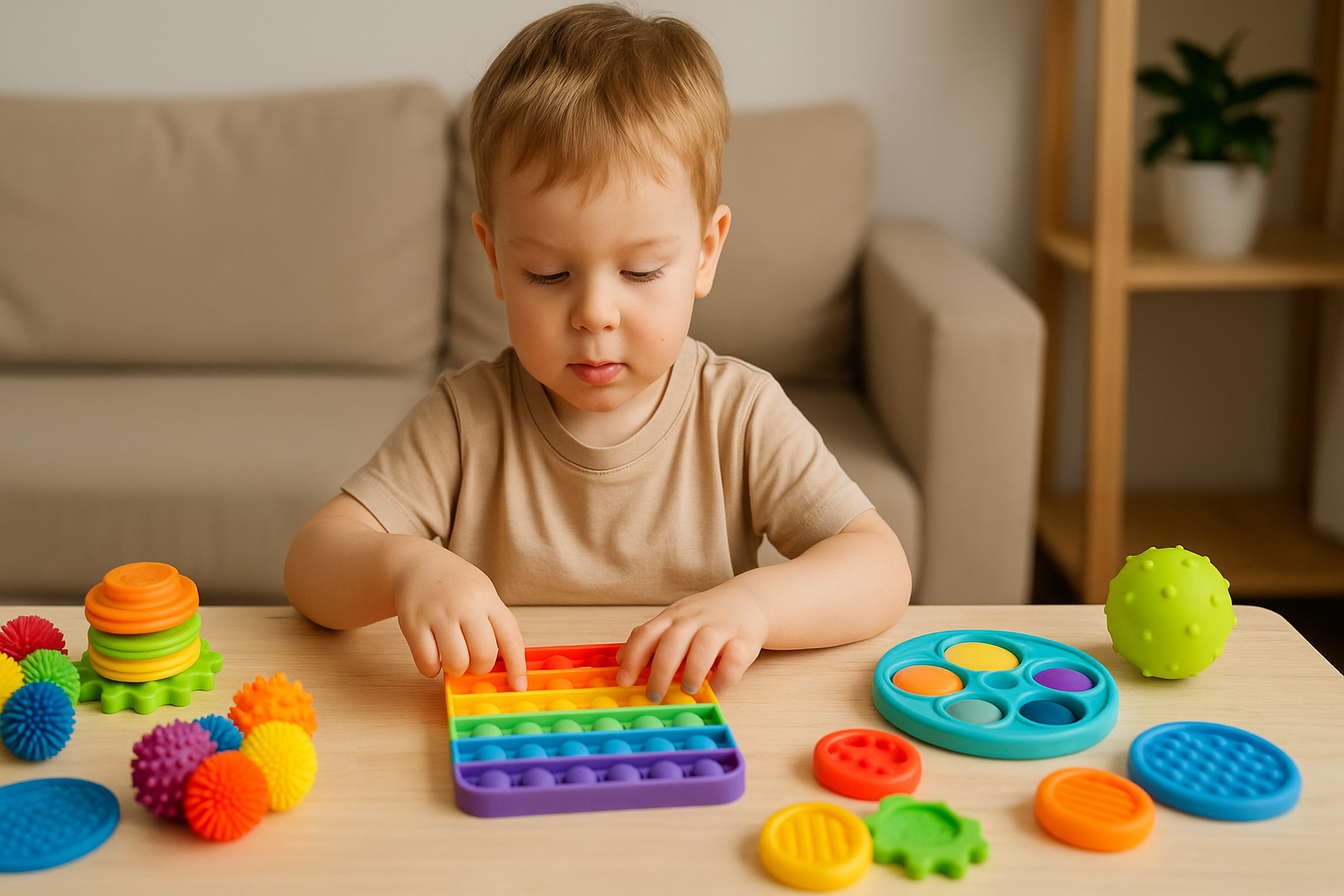 Sensory toys designed for three-year-olds aim to engage various senses, including touch, sight, sound, and sometimes even taste and smell. These toys play a crucial role in fostering cognitive development, enhancing fine motor skills, and helping with emotional regulation. They offer interactive experiences that can boost focus and provide comfort, particularly for little ones facing sensory processing challenges.
Popular sensory toys include:
- textured balls that invite tactile exploration,
- fidget spinners that aid concentration and alleviate stress,
- colorful stacking blocks that spark creativity and improve hand-eye coordination,
- auditory toys that capture attention through sound stimulation,
- soft plush items that offer a reassuring sense of security.
When selecting sensory toys for a three-year-old, it’s essential to choose options made from safe materials free of harmful chemicals. This consideration ensures that playtime remains both enjoyable and safe. Sensory toys can serve as invaluable resources in creating an engaging learning environment tailored to the unique needs of young children.
Developmental Benefits of Sensory Toys
Sensory toys bring a wealth of developmental advantages for three-year-olds, enriching their growth through playful sensory experiences. These engaging toys stimulate different senses—such as touch, sight, and sound—encouraging little ones to explore their environment more actively.
When children interact with sensory toys, they significantly enhance their cognitive abilities. For instance, as they discover various textures and sounds, they form vital neural connections that contribute to their learning process. This exploration helps them identify patterns and differentiate between various stimuli, ultimately sharpening their critical thinking skills.
Moreover, sensory toys play a crucial role in helping kids manage their emotions. They can be particularly beneficial for anxious children or those who feel overwhelmed by everyday situations. Items like:
- soft plush toys,
- fidget spinners,
- sensory balls,
- textured blocks,
- musical instruments.
These toys offer calming effects that empower kids to better regulate their feelings.
In addition to these emotional benefits, sensory play aids the development of fine motor skills as children manipulate different objects. Activities such as:
- stacking blocks,
- handling textured balls,
- stringing beads,
- playing with playdough,
- using scissors.
These activities improve hand-eye coordination and dexterity.
Integrating sensory toys into playtime not only boosts engagement but also nurtures vital aspects of childhood development—supporting cognitive advancement and fostering emotional health along the way.
Supporting Early Development
Sensory toys play a crucial role in the early stages of development. They assist children in refining their sensory processing skills, which are fundamental for learning and interacting with their environment. By stimulating exploration and curiosity, these toys provide hands-on experiences that support overall growth.
As kids engage with different textures, sounds, and vibrant colors of sensory toys, they also improve their fine motor skills. For instance, activities like squeezing soft balls or stacking brightly colored blocks require careful movements that enhance hand-eye coordination. Additionally, such play fosters cognitive growth by encouraging problem-solving and critical thinking. When children manipulate various shapes and sizes, they develop a better understanding of spatial relationships as well as cause-and-effect principles.
Furthermore, sensory toys contribute to emotional regulation. They can offer solace during overwhelming moments for young ones who may feel anxious or stressed. Items like textured plush toys or fidget spinners have a soothing effect that helps kids navigate their emotions more effectively.
Incorporating sensory toys into everyday playtime is essential for promoting child development across multiple domains. These engaging tools not only sharpen sensory processing but also encourage curiosity and discovery in little ones.
Aiding in Motor Skill Growth
Engaging in sensory play is essential for the development of young children's motor skills. Sensory toys provide hands-on experiences that significantly enhance fine motor abilities and hand-eye coordination. As kids delve into various textures and movements, they improve their control over actions—a critical skill needed for writing and personal care.
Activities like:
- squeezing textured balls,
- stacking blocks,
- molding dough.
These playful interactions not only increase dexterity but also foster cognitive growth. For example, while stacking blocks of different shapes and sizes, children gain insights into balance and gravity.
Another important aspect that sensory play boosts is hand-eye coordination. Activities involving aiming or catching—such as tossing a soft ball—help children synchronize what they see with their physical movements. This coordination is crucial not only in sports but also in daily tasks like buttoning shirts or handling utensils.
By incorporating a diverse range of sensory toys during playtime, parents can create a stimulating environment that nurtures these vital motor skills. By embracing the interactive qualities of these toys, movement practice becomes both enjoyable and rewarding for little ones.
Types of Sensory Toys for 3-Year-Olds
Sensory toys come in a variety of delightful forms, each crafted to stimulate a child's senses while sparking imaginative play and creativity. Here are some popular types of sensory toys that are perfect for 3-year-olds:
- Squishy Toys: these engaging tactile toys offer a joyful experience through squeezing and manipulation, think of stress balls, squishy animals, or gel-filled figures, these not only entertain but also help enhance fine motor skills,
- Sensory Bins: imagine bins brimming with materials like rice, beans, or sand, they create an interactive environment where children can discover different textures, kids love pouring, scooping, and sorting items in these bins, which enriches their sensory experiences and encourages creative exploration,
- Textured Blocks: with various surfaces designed for tactile exploration, these blocks invite children to stack and build while learning about shapes and textures along the way,
- Musical Instruments: simple instruments such as maracas or xylophones introduce kids to sound and rhythm while enhancing listening skills, making music is also a wonderful way for them to express themselves creatively,
- Water Beads: these colorful beads offer a unique sensory adventure when children play with them in water-filled containers, soft and slippery, they provide both visual stimulation and interesting textures to explore,
- Play Dough: shaping play dough allows children to unleash their creativity as they mold it into various forms while simultaneously improving their fine motor abilities,
- Pouring & Sorting Toys: engaging with toys that involve pouring liquids or sorting objects by size or color offers hands-on learning opportunities that foster cognitive development alongside sensory engagement.
By integrating these diverse sensory toys into playtime, you not only boost children's engagement but also support their overall developmental growth across multiple areas.
Interactive Toys for Engagement
Interactive toys play a crucial role in captivating children's interest and enhancing their sensory experiences. They come in various forms—like light-up gadgets, bubble machines, and responsive devices that react to touch or movement. Such toys are essential for fostering cognitive growth and aiding young ones in managing their emotions.
Light-up toys are particularly effective at grabbing kids' attention and inspiring curiosity through their engaging features. For instance, a toy that illuminates when pressed not only intrigues children but also helps refine their hand-eye coordination as they discover the relationship between actions and outcomes.
Bubble machines deliver an exciting sensory adventure by creating streams of bubbles for little ones to chase and burst. This fun-filled activity encourages physical activity while developing gross motor skills, all while introducing them to concepts like motion and interaction with their environment.
Toys that respond to touch or sound add another layer of engagement by offering immediate feedback. For example:
- plush toys that emit sounds when squeezed,
- interactive storybooks equipped with sound buttons.
These enhance auditory processing and make storytelling even more immersive.
Engaging with interactive toys significantly boosts a child's concentration while inviting them to explore different textures, sounds, and movements. Each of these aspects is vital for their development. By incorporating these enriching sensory experiences into playtime, caregivers can effectively support children's growth across multiple dimensions.
Textured and Tactile Toys
Textured and tactile toys are essential for sensory play, particularly for young children around the age of three. These toys feature a variety of surfaces and materials that engage the sense of touch, which is vital for developing fine motor skills and enhancing hand-eye coordination. As children explore different textures, they not only spark their interest but also boost their curiosity and sensory involvement.
When kids interact with these textured toys, they gain important tactile experiences that contribute to their cognitive growth. Manipulating these items helps forge neural connections critical for learning. For instance, playing with squishy balls or textured blocks not only improves dexterity but also encourages imaginative play.
Furthermore, these toys can aid in emotional regulation. During moments of overwhelm, children often seek solace in textured items like soft plush figures or fidget spinners, which can provide comfort and help alleviate anxiety.
Incorporating textured and tactile toys into daily routines promotes exploration as well. Sensory bins filled with various materials allow little ones to experience an array of sensations while developing skills such as sorting and pouring. This active engagement deepens their understanding of spatial relationships and introduces fundamental scientific concepts through enjoyable play.
Overall, textured and tactile toys significantly enhance a child’s holistic development by stimulating the senses, fostering fine motor abilities, encouraging exploration, and assisting with emotional management—all while keeping the experience fun and engaging.
Choosing Safe Sensory Toys
When selecting sensory toys, parents should prioritize safety by opting for materials that are non-toxic and suitable for their child's developmental stage and sensory needs. It’s essential to choose toys that not only entertain but also contribute to the child’s growth as they evolve.
Typically, safe sensory toys are crafted from materials that pose no harm, allowing for a stress-free playtime. Parents can seek out safety certifications from reputable organizations like:
- ASTM (American Society for Testing and Materials),
- EN71 (European Standard for Safety of Toys).
These certifications serve as reliable indicators of quality and safety.
Choosing age-appropriate toys is equally important; they should align with the child's current abilities while providing opportunities for advancement. For example, a toy aimed at a three-year-old might incorporate features that promote fine motor skills without leading to frustration.
Additionally, paying attention to the child's preferences can significantly boost their engagement with sensory toys. Kids often gravitate toward specific textures, colors, or sounds that resonate with them. By selecting toys that cater to these interests, parents can enhance both enjoyment and developmental value.
Thoughtfully choosing safe sensory toys involves considering materials, age relevance, and personal interests. This approach ensures that playtime is not only enjoyable but also beneficial across various areas of development.
Importance of Safe Materials
Choosing the right materials for sensory toys is essential to ensure children's safety during playtime. Parents should opt for non-toxic and sturdy choices that can withstand energetic handling. This consideration becomes especially vital for toys that young children might frequently put in their mouths, as exposure to harmful chemicals poses a significant health risk.
Materials like:
- silicone,
- natural rubber,
- BPA-free plastics are excellent options known for their safety in children's products.
Additionally, a robust design minimizes the likelihood of breakage, which in turn reduces the chances of sharp edges or small pieces that could lead to choking hazards.
When selecting sensory toys, it's important to look for certifications from reputable organizations such as:
- ASTM (American Society for Testing and Materials),
- EN71 (European Standard for Safety of Toys).
These standards indicate that the materials used comply with established safety guidelines.
Prioritizing safe materials not only protects children but also enhances their overall play experience. By allowing kids to explore without fear of exposure to harmful substances, they can learn and grow through sensory interactions with confidence. Emphasizing safe materials contributes significantly to healthy development during these formative years.
Age-Appropriate Toys for 3-Year-Olds
Toys suitable for 3-year-olds play an essential role in their growth and development. At this lively age, children flourish through sensory experiences that ignite their creativity and curiosity. By opting for toys specifically crafted for their developmental stage, we not only ensure safety but also enhance their learning journey.
Safety is paramount; thus, it’s crucial that toys are devoid of small parts to mitigate choking risks. Great options include:
- textured balls that invite tactile exploration,
- stacking blocks that promote hand-eye coordination,
- interactive musical instruments that inspire rhythm and creativity.
Integrating imaginative play into everyday activities is equally important. For instance, play dough allows little ones to mold and shape different forms, which sharpens their fine motor skills as they craft unique creations. Sensory bins filled with rice or sand provide engaging hands-on experiences where kids can pour, scoop, and sort—activities that stimulate curiosity and cognitive growth.
Moreover, interactive toys such as light-up gadgets or responsive devices can significantly enhance engagement among young children. These captivating toys grab attention while offering immediate feedback during playtime—a vital aspect of developing focus and emotional control.
Ultimately, selecting age-appropriate toys that align with the developmental needs of 3-year-olds paves the way for safe sensory exploration. This nurturing approach not only fosters creativity but also lays the groundwork for essential skills needed in future learning endeavors.
Engaging Sensory Play Activities
Engaging in sensory play activities provides young children, particularly around the age of three, with enriching learning experiences. These activities stimulate their senses and encourage curiosity and growth. Popular options for sensory exploration include:
- creating DIY sensory bottles,
- using kinetic sand,
- setting up sensory bins.
Making DIY sensory bottles at home is quite simple. Just fill clear plastic containers with water, glitter, beads, or small toys. These colorful creations invite kids to shake them and watch the fascinating movements inside. Not only is this activity enjoyable, but it also aids in developing fine motor skills and visual tracking abilities.
Kinetic sand offers another wonderful opportunity for tactile engagement. This moldable substance allows children to shape and construct various forms with their hands. Its unique texture ignites creativity while building hand strength and improving coordination.
Sensory bins filled with rice, beans, or water beads provide a playground of textures for kids to explore. They can pour, scoop, and sort through these materials—activities that enhance cognitive skills like sorting and categorization.
Integrating these fun sensory play activities into daily routines not only captures children's interest but also supports their overall development across multiple domains. Sensory play plays a crucial role in advancing fine motor skills, cognitive functions, emotional regulation, and imaginative exploration among young learners.
DIY Sensory Play Ideas
DIY sensory play activities offer parents a fantastic opportunity to create enjoyable and stimulating experiences that encourage creativity and discovery in young children. Here are some engaging projects:
- Making sensory bottles: fill these bottles with various materials such as water, glitter, beads, or small toys. Kids love to shake them up and watch the captivating movements unfold inside, which aids in developing fine motor skills and enhancing visual tracking abilities.
- Crafting textured play mats: gather fabric scraps, carpet samples, or even natural elements like leaves and sandpaper to create a rich sensory environment. These mats invite tactile exploration as children walk on or feel different surfaces, improving their sensory processing while igniting their imagination.
- Creating sensory bins: fill bins with diverse materials—such as rice, beans, or kinetic sand—where kids can pour, scoop, and sort through various textures. This hands-on experience enhances cognitive skills like sorting and categorization while nurturing creativity.
Incorporating these DIY sensory play ideas into everyday routines helps stimulate children's senses and supports their overall development across multiple areas. Sensory play is essential for boosting fine motor skills, cognitive functions, emotional regulation, and imaginative exploration in young learners.
Using Sensory Bins and Kinetic Sand
Sensory bins filled with materials such as rice, beans, or kinetic sand can significantly enrich children's tactile experiences. These engaging setups invite exploration and foster the fine motor skills essential for their development. As little ones scoop, pour, and mold these materials, they dive into imaginative play, creating a vibrant learning atmosphere.
Kinetic sand stands out due to its distinctive texture. This versatile substance allows kids to effortlessly shape and build various creations. Engaging in these hands-on activities not only strengthens their hand muscles and coordination but also ignites their creativity through open-ended exploration.
Moreover, sensory bins can be tailored to reflect individual interests. For instance, introducing themes like:
- dinosaurs,
- marine life,
- outer space,
- construction,
- gardening.
These themes can make playtime even more thrilling. By weaving these elements into their activities, caregivers help enhance cognitive abilities such as sorting and categorization while simultaneously supporting fine motor development.
Incorporating sensory bins and kinetic sand encourages comprehensive growth by offering captivating tactile experiences that nurture young children's development across multiple domains.