
Sensory toys for a 4-year-old
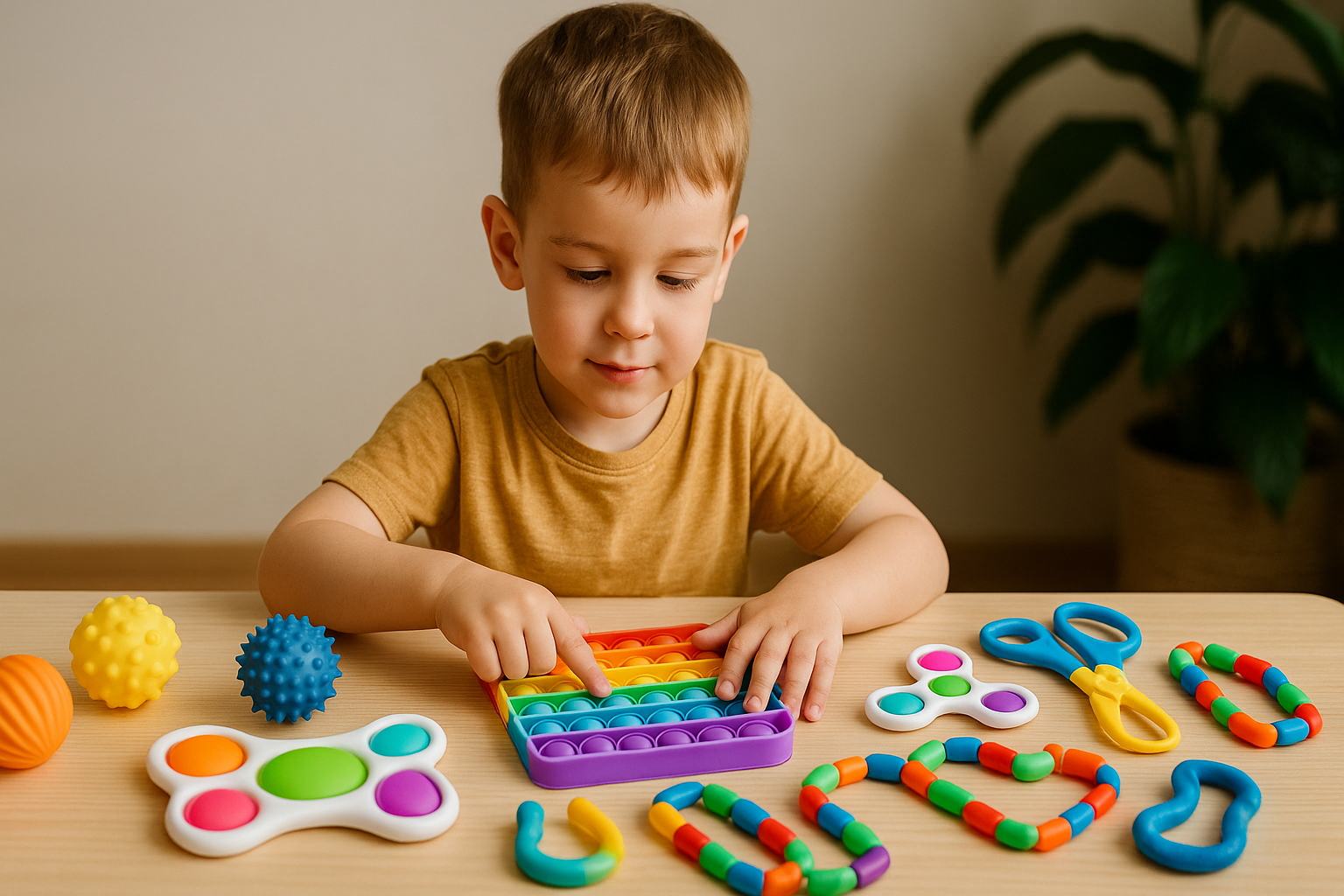 Sensory toys for four-year-olds are crafted to captivate and awaken a child’s senses, transforming learning into an enjoyable adventure. These engaging tools focus on various sensory experiences such as touch, sight, sound, and even smell. With their diverse textures, vibrant colors, and intriguing sounds, sensory toys foster an atmosphere ripe for exploration and curiosity.
These playful items also play a crucial role in honing fine motor skills as little ones interact with them. Simple activities like:
- squeezing,
- pulling,
- sorting help enhance dexterity,
- improve hand-eye coordination.
For example, sensory balls or textured blocks provide delightful tactile experiences while boosting concentration levels.
Moreover, sensory toys can be particularly advantageous for children who face sensory processing challenges. They offer:
- calming effects,
- stimulating experiences tailored to meet specific needs.
By engaging with these toys, kids are encouraged to learn through hands-on interaction and discovery. Ultimately, choosing the right sensory toy can greatly enrich a four-year-old's developmental journey by making the process of learning both fun and engaging.
What Are Sensory Toys?
Sensory toys are uniquely crafted items that engage a child's senses, fostering exploration and development. They come in a wide range of options, including:
- textured balls,
- fidget spinners,
- musical instruments.
Each toy appeals to different sensory preferences—be it touch or sound—allowing kids to enjoy themselves while discovering their sensory capabilities.
These interactive toys enhance learning by promoting active involvement rather than passive observation. For instance, toys with various textures provide tactile experiences that help children refine their fine motor skills while also boosting their concentration. Beyond mere entertainment, educational sensory toys facilitate cognitive growth through engaging hands-on play.
Furthermore, sensory toys are particularly beneficial for children who encounter sensory processing difficulties. They can offer either soothing effects or stimulating experiences tailored to each child's specific needs. By exploring these diverse forms of play, children not only learn about their environment but also satisfy their innate curiosity in a fun and meaningful way.
Benefits of Sensory Toys
Sensory toys are essential for the growth and development of young children. They stimulate various senses, which is crucial during those formative years. These engaging tools not only provide calming effects but also help kids manage feelings of anxiety and stress. As children interact with sensory toys, they improve their ability to process sensory experiences, which in turn enhances their cognitive skills.
Take textured balls and fidget spinners as examples; they're not just fun to play with—they also serve a significant purpose. While children enjoy using them, they simultaneously develop fine motor skills. Moreover, sensory toys cater to individual sensory processing needs, creating personalized experiences that can either energize or relax a child depending on what they need at that moment.
Incorporating these toys into playtime offers enriching experiences that foster learning and emotional health through exploration and interaction.
Supporting Sensory Development
Engaging in sensory activities is crucial for young children, particularly those around four years old. These experiences play a vital role in their sensory development, helping them process and react to various stimuli such as touch, sound, sight, and smell. Sensory toys are specifically designed to allow kids to explore their environment and satisfy their innate curiosity.
Take textured balls and musical instruments, for instance; these types of toys enable children to navigate their sensory experiences with ease. By offering an array of textures and sounds, they stimulate different senses simultaneously. Consequently, not only do kids enhance their cognitive abilities, but they also improve their fine motor skills through active participation.
Sensory processing is especially significant during early childhood because it lays the groundwork for emotional health and learning capabilities. Playing with calming sensory toys can help alleviate feelings of anxiety or overstimulation in children. Conversely, more stimulating toys can provide an energetic boost when extra engagement is needed.
Incorporating a variety of sensory activities into daily life fosters brain growth while also enhancing social skills. When children interact with these toys together, they learn to communicate and collaborate as they share different sensory experiences.
Ultimately, nurturing sensory development through engaging activities allows children to form deeper connections with the world around them.
Improving Fine Motor Skills
Using sensory toys can significantly enhance children's fine motor skills. These playful tools encourage manipulation, which is essential for improving abilities like hand-eye coordination and dexterity. Engaging in tactile activities—like squeezing, pulling, or sorting—not only makes playtime enjoyable but also plays a vital role in the development of motor skills. Consider the following benefits of sensory toys:- they help refine fine motor skills through interactive play,
- they boost concentration during active engagement,
- they create natural learning opportunities,
- they cater to different developmental needs,
- they offer calming or stimulating effects based on preferences.
Promoting Emotional Regulation
Fostering emotional regulation is crucial for a child's growth, particularly for younger ones who often struggle to manage their feelings. Sensory toys play a vital role in this journey by providing calming experiences that assist children in effectively controlling their emotions. These playful tools not only help kids channel excess energy but also alleviate anxiety, making them especially beneficial for neurodiverse children.
When children interact with sensory toys like textured balls or fidget spinners, they have the opportunity to discover various textures and sensations. This hands-on exploration captures their interest while simultaneously boosting focus and concentration. Engaging with these toys can lead to relaxation and help diminish feelings of overwhelm during tense situations.
Moreover, sensory toys support stimming behaviors—those repetitive actions or sounds some kids use for comfort. By offering a range of tactile experiences, these toys encourage children to practice self-soothing techniques that enhance their emotional resilience.
Integrating sensory play into everyday routines fosters an atmosphere where children can express themselves freely while learning effective coping mechanisms. This proactive approach not only aids in emotional regulation but also positively influences overall well-being and social interactions with peers. By promoting emotional regulation through sensory play, caregivers can significantly enrich the developmental journey of young learners.
Types of Sensory Toys
Sensory toys come in a delightful array of options, each crafted to stimulate different senses and enhance sensory play for young children, particularly those around four years old. These engaging toys not only provide entertainment but also offer significant educational advantages while catering to diverse sensory preferences.
- Tactile sensory toys, such as textured balls and fidget spinners, promote the development of fine motor skills through activities like squeezing or rolling,
- Auditory sensory toys include musical instruments and sound-producing gadgets that engage a child's sense of hearing,
- Visual sensory toys are designed to captivate children's attention with bright colors and interesting patterns,
- Movement-based sensory toys, including balance boards or jumping balls, inspire physical activity while fostering gross motor skill development,
- By integrating these various types of sensory toys into playtime routines, learning transforms into an enjoyable experience that supports cognitive growth.
Through active play, these tools help children gain a better understanding of spatial awareness and body control. Additionally, selecting the right sensory tools tailored to each child's unique needs allows caregivers to significantly enrich their developmental journey while keeping playtime engaging.
Tactile Sensory Toys
Tactile sensory toys are crafted to stimulate children's sense of touch by offering a range of textures. From textured balls and squishy figures to play dough, these engaging toys not only draw kids in but also play a crucial role in enhancing their tactile experiences.
As children interact with these toys, they have the opportunity to refine their fine motor skills. Activities like squeezing, rolling, and feeling various surfaces contribute to strengthening their hands. For instance, squishies make hand strength building enjoyable and help improve dexterity. The diverse textures available encourage kids to dive deeper into exploring their sense of touch.
Moreover, tactile sensory toys can be particularly beneficial for those who experience sensory processing challenges. They can provide either calming effects or stimulating sensations tailored to each child's needs. Through these playful tools, children can bolster cognitive development while learning how to navigate their emotions during playtime.
Incorporating tactile sensory toys into daily activities enhances children's overall learning experiences. It also fosters emotional regulation and encourages social interactions as they share these fascinating tools with peers. This hands-on engagement sparks curiosity and promotes active involvement in their environment.
Auditory Sensory Toys
Auditory sensory toys play a crucial role in stimulating a child's sense of hearing. These engaging items produce various sounds, encompassing everything from musical instruments to sound-making devices and calming generators that help kids focus and concentrate.
Instruments such as xylophones and tambourines offer children the chance to dive into the world of rhythm and melody while simultaneously honing their fine motor skills through improved hand-eye coordination. Additionally, toys like rattles or bells deliver immediate auditory feedback, instantly grabbing a child's attention and encouraging active involvement in play.
Including these auditory sensory toys during playtime can significantly aid children who face sensory processing difficulties. They provide soothing sounds that can alleviate anxiety; for example, white noise machines or nature sound recordings create a tranquil atmosphere perfect for relaxation.
Moreover, music and sound-based toys do more than just entertain; they also foster cognitive growth. These tools introduce fundamental concepts like cause-and-effect relationships—when children press buttons to generate sounds or strum strings to create tunes, they begin to understand how their actions influence the world around them.
By weaving auditory sensory toys into everyday activities, we enrich children's learning experiences and support their emotional well-being through delightful interactions with sound.
Visual Sensory Toys
Visual sensory toys play an essential role in captivating and stimulating a child's sense of sight. These engaging tools make fantastic additions to any child's playtime, often featuring vibrant colors, intriguing patterns, and eye-catching lights that draw children in and inspire exploration. Some popular examples include light-up toys, bubble machines, and kaleidoscopes.
Incorporating visual sensory toys can significantly boost a child’s overall development. They ignite curiosity and encourage interactive learning experiences. For example, the bright hues of these toys capture the interest of young minds, prompting them to delve deeper into their environment.
Moreover, these toys cater to various learning styles. While they provide entertainment, they also foster cognitive growth through rich visual stimulation. Engaging with these playful items enhances focus and concentration while offering opportunities for imaginative adventures.
Additionally, integrating visual sensory toys into a child's daily routine can be particularly beneficial for those facing sensory processing challenges. These delightful tools can have a calming effect through soothing visuals or dynamic experiences that help children stay connected to their surroundings.
By embracing the mesmerizing qualities of visual sensory toys, caregivers can nurture children's emotional well-being as well. This strategy enriches their learning journey by promoting active participation in playtime activities.
Movement Sensory Toys
Movement sensory toys are crafted to spark physical activity and aid children in honing their gross motor skills. These engaging tools come in various forms, such as:
- balance boards,
- jumping balls,
- sand and water tables.
All of which promote exploration and active play. By integrating movement into sensory experiences, kids can interact with their surroundings in dynamic ways.
Take jumping balls, for instance; they offer a delightful outlet for energy while also enhancing coordination and balance as children bounce around. Likewise, sand and water tables invite little ones to experiment with diverse textures while investigating liquids, enriching their tactile experiences during playtime.
Moreover, these movement sensory toys cater to a range of developmental needs. They can be particularly beneficial for children who experience sensory processing difficulties by providing either calming or stimulating effects depending on the specific toy. A balance board serves as an excellent example—it offers a stable yet captivating activity that nurtures focus and body awareness.
Incorporating these playful tools into everyday routines not only encourages kids to remain active but also allows them to explore various sensory modalities. This method transforms playtime into both enjoyable and educational moments, helping children cultivate vital skills like spatial awareness and body control through hands-on interactions.
Choosing the Right Sensory Toys for Your Child
When it comes to selecting sensory toys for your child, it's essential to consider their interests, sensory preferences, and developmental stages. Opting for age-appropriate options that are safe not only fosters exploration but also offers valuable educational benefits.
Begin by pinpointing your child's unique sensory needs. If they have a penchant for tactile experiences, seek out:
- textured balls,
- squishy figures,
- toys that engage their sense of touch.
Conversely, if sounds captivate them, think about introducing:
- musical instruments,
- devices that create delightful noises.
It’s also vital to take into account any specific needs your child may have. Some children might find comfort in:
- calming toys designed to help them unwind in overwhelming situations,
- stimulating choices that spark their curiosity and energy.
Additionally, don’t overlook the importance of educational value when choosing toys. Items like:
- building blocks,
- interactive games
encourage active participation and not only entertain but also enhance fine motor skills and cognitive development through engaging hands-on activities.
In the end, picking the right sensory toy can significantly enrich your child's learning experience. It transforms playtime into a fun yet beneficial part of their growth and development journey.
Age-Appropriate Sensory Toys
Sensory toys that are appropriate for a child's age are vital for their early development. These toys encourage meaningful play and allow little ones to learn through a variety of sensory experiences tailored to their growth stages.
For instance, infants benefit from:
- soft, textured balls that engage their sense of touch,
- vibrant stacking toys that enhance their fine motor skills,
- complex options like fidget spinners or interactive musical instruments that cater to their developing cognitive abilities.
Incorporating these sensory toys into everyday activities can yield remarkable developmental advantages. They not only help improve focus but also aid in emotional regulation. When kids play with these toys, they learn to navigate sensory experiences—a crucial aspect of early childhood development. Additionally, selecting the right toy can help alleviate anxiety or prevent overwhelming sensations for young learners.
When choosing sensory toys, parents should prioritize:
- safety to ensure that the items are well-suited for their child's skill level,
- appropriateness to create enriching play environments,
- thoughtful approaches that nurture both enjoyment and educational growth in their children.
Considerations for Special Needs
When selecting sensory toys for children with special needs, it's crucial to take into account their unique sensory processing preferences and requirements. Every child responds differently to various types of stimuli, so tailoring the experience can significantly boost their engagement and comfort levels.
For neurodiverse children, the right sensory toys can foster emotional development by providing:
- calming sensations,
- stimulating interactions,
- opportunities for exploration through touch,
- sound exploration,
- educational elements.
For instance, some kids may delight in tactile toys like textured balls or squishy figures, while others might thrive with auditory toys such as musical instruments. Additionally, it’s beneficial for parents to seek out toys that blend fun with educational elements. Sensory toys like building blocks not only entertain but also promote fine motor skills while presenting cognitive challenges.
By paying attention to a child's interests, parents can choose options that align with their sensory preferences and support developmental progress. By thoughtfully selecting these specialized toys, we create enriching play opportunities that aid emotional regulation and enhance the overall well-being of children with diverse abilities.
Recommendations from Occupational Therapists
Occupational therapists are essential in helping choose sensory toys that align with a child's developmental needs. They prioritize selecting tools that boost engagement and support sensory development, particularly for those facing challenges with sensory processing.
One valuable tip is to opt for interactive learning resources. These toys should invite children to explore different textures, sounds, and visuals. For instance, tactile items like textured balls or fidget spinners not only captivate kids but also refine their fine motor skills through play. Such engaging toys can enhance hand-eye coordination and inspire active involvement in various learning activities.
Moreover, occupational therapists suggest the use of personalized sensory kits containing items tailored to each child's unique preferences. These kits might feature calming tools like stress balls alongside stimulating options such as musical instruments. This diverse selection ensures that every child interacts with materials specifically suited to their sensory needs.
By implementing these insights from occupational therapists, caregivers can significantly enrich their child's playtime experiences. This thoughtful support not only helps with emotional regulation but also fosters cognitive growth through carefully chosen sensory toys.