
Sensory toys for a one-year-old child
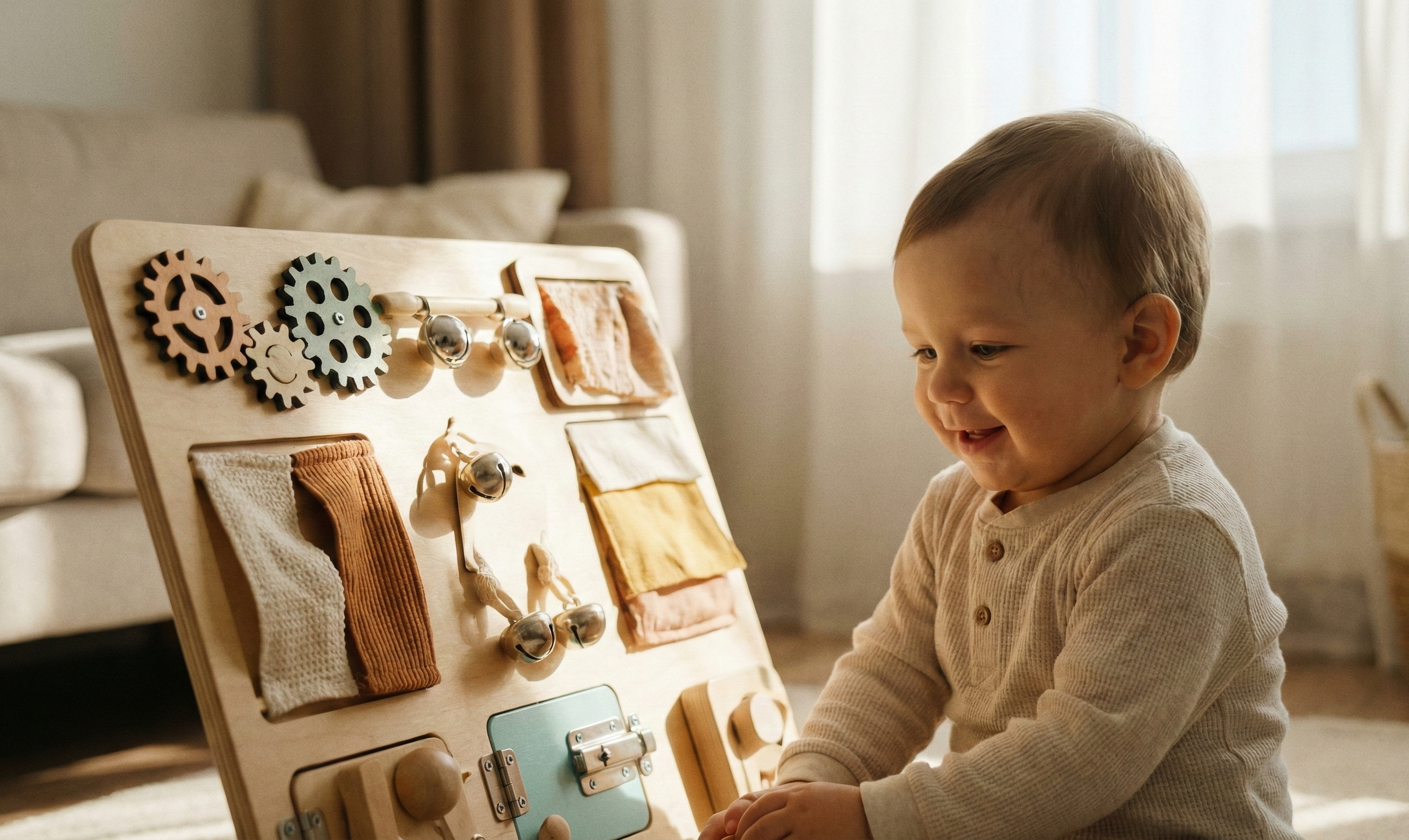 Sensory toys play a crucial role in the development of one-year-old children, supporting their sensory processing and overall growth. These engaging toys stimulate various senses, including touch, sight, sound, and sometimes even taste and smell. With their vibrant colors and diverse textures, sensory toys capture infants' attention, encouraging exploration and discovery.
One significant benefit of these toys is their ability to enhance motor skills. Toys that require gripping or manipulation promote hand-eye coordination. For example, soft blocks or textured balls can help improve fine motor skills as little ones experiment with stacking or rolling them.
Moreover, sensory toys contribute to cognitive development. Engaging in sensory play allows children to hone their problem-solving abilities as they find different ways to interact with their environment. Toys that make sounds or light up when pressed not only engage auditory and visual senses but also help kids grasp cause-and-effect relationships.
When selecting sensory toys for a one-year-old, safety should always be a top priority. Parents must choose items made from safe materials free of harmful chemicals. Consider the following ideal choices:
- soft fabrics,
- BPA-free plastics,
- non-toxic paints.
Overall, sensory toys offer countless developmental advantages for one-year-olds by fostering sensory awareness while also enhancing motor skills and cognitive functions through enjoyable interactions.
Benefits of Sensory Toys for One-Year-Olds
Sensory toys play a vital role in the growth and learning of one-year-olds, offering an impressive array of developmental advantages. By encouraging exploration through touch, sound, and vibrant colors, these toys engage young children in important aspects of their development.
One significant benefit is the enhancement of fine motor skills. Toys that require gripping or manipulation provide opportunities for little ones to practice their hand movements, improving coordination along the way. For instance, stacking rings or textured balls can boost dexterity as infants learn to grasp and maneuver these objects effectively.
Additionally, sensory toys are key players in cognitive development. As children interact with these engaging items, they begin to hone their problem-solving abilities by trying out various ways to play with them. Toys that produce sounds or light up when used not only stimulate their auditory and visual senses but also introduce them to cause-and-effect concepts.
Furthermore, these toys encourage imaginative play by nurturing creativity and exploration. When children experiment with different materials and shapes, they refine their critical thinking skills while expressing themselves freely through play.
In essence, sensory toys are indispensable for fostering overall development in one-year-olds. They help refine fine motor skills, boost cognitive functions, and inspire imaginative engagement through delightful sensory experiences.
Support Developmental Stages
Interacting with sensory toys is crucial for the development of young children, particularly those around one year old. These engaging items not only enhance sensory processing but also support cognitive advancement. By stimulating their senses of touch, sight, and sound, sensory toys invite kids to explore and learn in a playful environment.
One significant advantage of these toys is the boost they give to focus. Many sensory toys require little ones to concentrate on tasks such as pressing buttons or stacking blocks, which helps gradually improve their attention span. Moreover, these playful interactions nurture problem-solving abilities; as children experiment with different ways to engage with the toys, they start to grasp how their actions can lead to specific results.
Additionally, sensory play fosters creativity by providing a platform for self-expression. While investigating various textures and colors found in these toys, children can create imaginative scenarios that spark their inventive thinking. They also begin to recognize cause-and-effect dynamics as they observe how different stimuli elicit unique reactions from the toys.
Incorporating sensory toys into playtime not only supports children's cognitive growth but also makes learning enjoyable through interactive experiences that captivate their curiosity.
Boost Physical Development Through Interactive Play
Interactive play is vital for the physical development of one-year-olds, as it not only nurtures important motor skills but also offers enriching sensory experiences that contribute to their growth.
One significant benefit of interactive play is its ability to enhance gross motor skills. Activities like crawling, walking, and climbing boost coordination and balance. Toys that encourage pushing or pulling motivate babies to be active, which helps strengthen their bodies.
Alongside gross motor development, sensory play plays a key role in refining fine motor skills. Engaging with textured balls or soft blocks allows children to practice grasping and manipulating objects, which improves their dexterity and hand-eye coordination.
Additionally, social interaction during playtime greatly supports physical growth. When little ones engage in games with peers or caregivers that involve sharing and teamwork, they not only develop social skills but also enhance their physical abilities through collaborative activities.
Overall, interactive play is essential for fostering physical development in one-year-olds. It boosts motor skills, promotes movement, and encourages social interactions through fun sensory activities.
Encourage Sensory Exploration
Encouraging sensory exploration in one-year-olds is essential for their development. When selecting sensory toys, parents should prioritize safety above all else. It’s important to choose non-toxic materials that are free from small parts to prevent choking risks. Durable toys that can withstand wear and tear while being easy to clean are ideal, especially those that feature a variety of textures, vibrant colors, and sounds to enrich sensory experiences.
Toys designed for tactile exploration are particularly advantageous. For example, items with various surfaces or shapes help enhance fine motor skills as children learn how to grasp and manipulate them. Consider the following options:
- soft blocks,
- textured balls,
- interactive toys that can be squeezed or shaken.
These provide opportunities for infants to practice gripping and stacking, stimulating young minds while supporting cognitive growth.
Furthermore, sensory processing is crucial at this developmental stage. By engaging with these toys, children discover their environment through play. Incorporating sensory activities into daily routines allows parents to nurture curiosity and creativity in their little ones. This encouragement not only supports physical development but also lays a solid groundwork for future learning adventures.
Types of Sensory Toys Suitable for One-Year-Olds
When selecting sensory toys for one-year-olds, it's important to consider options that cater to their developmental needs. These toys not only stimulate various senses but also foster motor skills and cognitive growth.
- soft plush toys with different textures captivate toddlers' sense of touch, inviting them to explore a range of materials,
- rattles create delightful sounds that grab their attention, motivating babies to shake and move them around,
- sensory balls, available in diverse shapes and textures, help little ones enhance their gripping abilities while learning how to manipulate objects,
- toys featuring lights and sounds offer an interactive experience, helping children understand the relationship between their actions and the resulting reactions,
- colorful books provide visual stimulation and lay the foundation for early literacy through engaging pictures and simple words,
- push toys encourage active movement, supporting gross motor skill development as children practice walking or crawling.
Safety should always be a top priority when choosing these toys. It’s wise for parents to select items made from BPA-free plastics and non-toxic paints to ensure their child's safety. Ultimately, these captivating sensory toys play a vital role in nurturing curiosity and promoting essential developmental milestones for one-year-olds.
Textured Sensory Toys for Tactile Stimulation
Textured sensory toys are designed to offer vital tactile stimulation, which plays a crucial role in a one-year-old's sensory development. These engaging toys feature a variety of surfaces that invite young children to explore and interact, aiding them in honing their fine motor skills as they grasp, squeeze, and manipulate the objects.
The value of these textured toys lies in their capacity to captivate little ones with diverse sensations. For instance, soft blocks or squishy balls can easily grab a child's interest while simultaneously enhancing hand-eye coordination. As infants engage with these playful items, they practice essential movements such as:
- gripping,
- rolling,
- manipulating.
By introducing tactile elements into playtime, children embark on a journey of sensory discovery. They encounter materials ranging from rubbery textures to fuzzy fabrics that invigorate their sense of touch. This hands-on exploration not only fosters fine motor skills but also promotes cognitive growth by encouraging problem-solving as they learn to navigate the toys effectively.
Additionally, textured sensory toys significantly spark a child's curiosity about the world around them. Interacting with these items helps babies grasp cause-and-effect relationships—like understanding that squeezing a toy can produce sounds or movement—thereby enriching their engagement with their environment.
In conclusion, textured sensory toys serve as vital resources for enhancing tactile stimulation in one-year-olds. They facilitate the development of fine motor skills while offering delightful opportunities for sensory exploration and cognitive engagement during playtime.
Music and Sound Sensory Toys for Auditory Engagement
Music and sound sensory toys play an essential role in engaging young children, particularly those around the age of one. These delightful toys capture their attention with a variety of sounds, rhythms, and melodies that not only entertain but also foster cognitive development and encourage interactive play. For instance, when little ones shake rattles that produce distinctive noises, they start to grasp the concept of cause-and-effect—learning that their actions can create specific sounds.
Engaging with music and sound sensory toys helps develop important skills during this critical growth period. Exposure to diverse sounds provides vital auditory stimulation that is key to language acquisition and communication development. Additionally, playful instruments like toy drums or xylophones invite children to experiment with rhythm and pitch while enhancing their fine motor skills through movement.
These musical toys also create opportunities for social interaction during group activities. When kids share instruments or participate in sing-alongs, they strengthen their social abilities and cognitive processes by learning to respond collectively to musical cues and rhythms.
Incorporating music and sound sensory toys into playtime brings a wealth of benefits for one-year-olds. It enriches their auditory experiences while simultaneously supporting overall cognitive growth through enjoyable interactions.
Sensory Lights for Visual Stimulation
Sensory lights are imaginative toys that provide vibrant visual experiences with their bright hues and captivating patterns. These dynamic displays grab children's attention, fostering the development of crucial visual skills and enhancing cognitive processing.
One significant advantage of sensory lights is their capacity to boost concentration. The enticing visuals prompt kids to focus on the shifting lights, which helps in extending their attention spans. Additionally, while playing with these toys, children learn to identify various colors and patterns, contributing to their overall cognitive growth.
Incorporating sensory lights into playtime invites children to explore through interactive experiences. As they observe and react to the changing colors, little ones begin to understand cause-and-effect relationships. For example, they might find that pressing a button alters the light displays. This kind of interaction not only stimulates their senses but also enhances critical thinking as they connect their actions with different results.
Furthermore, sensory lights can serve as a soothing tool for anxious or overstimulated children. The soft glow provided by certain settings fosters a calming atmosphere that encourages relaxation while still engaging them visually. It's important for parents to select options made from non-toxic materials for safety when choosing these sensory toys for their kids.
Overall, integrating sensory lights into a child's play routine offers a wealth of developmental advantages. These imaginative toys enhance visual stimulation while promoting engagement and exploration through exciting activities.
Movement Sensory Toys to Promote Physical Activity
Movement sensory toys are essential for encouraging physical activity and nurturing gross motor skills in young children. These engaging items, including push toys and balls, invite exploration and active play. As kids interact with these toys, they enhance their coordination, balance, and overall physical development.
One of the key benefits of movement sensory toys is their ability to boost gross motor skills. Activities like pushing a toy cart or rolling a ball promote crawling and walking, which in turn helps strengthen muscles. For instance, a sturdy push toy gives toddlers the chance to practice walking confidently while improving their stability.
Additionally, these toys foster sensory discovery through various textures and movements. When children manipulate objects that respond to their actions, they gain a greater awareness of their environment. This hands-on experience also enhances hand-eye coordination; throwing or catching a ball can significantly improve timing and precision.
Beyond supporting physical growth, incorporating movement sensory toys into play routines also helps develop social skills. Kids learn valuable lessons about interacting with peers during shared playtime. Through collaborative games that involve movement, they cultivate cooperation and communication abilities while reaping the rewards of exercise.
Selecting the right movement sensory toys is crucial for creating enjoyable experiences that stimulate both physical activity and developmental progress in young children.
Popular Sensory Toys for One-Year-Olds
When it comes to selecting popular sensory toys for one-year-olds, parents have a wealth of engaging choices that can significantly aid in their child's growth. These toys not only stimulate the senses but also help enhance fine motor skills and cognitive abilities.
One excellent option is a sensory block set. With their vibrant colors and varied textures, these blocks invite babies to stack and play. As little ones manipulate different shapes and sizes, they develop essential hand-eye coordination. Another appealing choice is sensory bottles. Filled with colorful liquids or interesting materials, these bottles create mesmerizing visuals when shaken, which encourages visual tracking skills and invites sensory exploration.
Additionally, textured sensory balls are a hit among young children. Their unique surfaces encourage babies to grasp, roll, and squeeze them, contributing to the development of fine motor skills. Furthermore, interactive baby board books provide auditory stimulation through sounds or flaps that ignite curiosity while laying the groundwork for early literacy.
Incorporating these beloved sensory toys into playtime allows parents to cultivate an enriching environment for exploration that supports overall development. Each toy plays a distinct role in nurturing vital skills while ensuring enjoyable experiences for one-year-olds.
- sensory block set - vibrant colors and varied textures,
- sensory bottles - colorful liquids create mesmerizing visuals,
- textured sensory balls - unique surfaces for grasping and squeezing,
- interactive baby board books - auditory stimulation through sounds and flaps,
- cultivating an enriching environment for exploration.
Sensory Block Sets
Sensory block sets are an excellent tool for fostering sensory exploration and growth in one-year-olds. These vibrant toys, featuring a variety of colors, textures, and shapes, easily grab the attention of young children. As infants interact with these blocks, they participate in essential activities that enhance their fine motor skills.
While playing with a sensory block set, kids refine their ability to:
- grip,
- stack,
- balance.
For instance, stacking blocks of various sizes encourages not only hand-eye coordination but also dexterity. The diverse textures further engage their sense of touch, transforming playtime into an enjoyable yet educational experience that promotes cognitive development.
Moreover, these block sets spark imaginative play. Children can:
- construct buildings,
- invent scenarios using the blocks.
This open-ended style of play nurtures creativity and fosters critical thinking skills. As they figure out how to balance or arrange the blocks effectively, little ones develop valuable problem-solving abilities.
Incorporating sensory block sets into everyday play can greatly enhance overall child development. This captivating form of sensory engagement supports both physical skills and cognitive functions in growing minds.
Sensory Bottles
Sensory bottles are delightful tools that enhance sensory experiences for young children. These transparent containers are packed with a variety of materials, including liquids, glitter, beads, and small objects that create mesmerizing visual and auditory effects. When kids shake or roll them, they produce captivating sights and sounds, which can have a soothing impact while inviting sensory exploration.
One key advantage of sensory bottles is their ability to provide vibrant visual stimulation. The bright colors within these bottles easily capture a child's attention and aid in the development of visual tracking skills as they observe how objects move inside. This kind of play also introduces little ones to cause-and-effect concepts; for example, shaking the bottle alters the way items shift and interact.
Auditory stimulation is another fascinating aspect of these sensory creations. The delightful sounds produced when objects collide or shift can enchant young minds, fostering an early appreciation for sound dynamics. As children engage with these bottles, they begin to understand how their actions generate sounds—a crucial milestone in language development.
Moreover, interactive play with sensory bottles encourages further sensory discovery. Children experiment with various ways to manipulate them—shaking, rolling, or even turning them upside down—giving them the chance to explore textures and movements safely. This hands-on experience not only hones fine motor skills but also bolsters cognitive growth as kids learn about their environment through touch.
Overall, sensory bottles serve as invaluable resources for one-year-olds. They provide opportunities for engaging visual and auditory stimulation while making the process of sensory exploration both enjoyable and enriching.
Textured Sensory Balls
Textured sensory balls are thoughtfully crafted to offer essential tactile experiences for one-year-olds, playing a significant role in their physical and cognitive development. These vibrant toys come in various sizes and textures, making them easy for tiny hands to grasp and enjoy.
One key advantage of these sensory balls is their ability to enhance fine motor skills. When children squeeze, roll, or toss these playful spheres, they engage in movements that:
- boost dexterity,
- improve hand-eye coordination,
- encourage gripping techniques vital for strengthening little fingers and hands.
Moreover, textured sensory balls foster active sensory exploration. With surfaces that vary from bumpy to smooth, they invite young ones to investigate different textures. As infants touch or roll the balls, they encounter a range of sensations that:
- pique their curiosity,
- aid in developing their sensory processing at this crucial stage of growth.
In addition to promoting physical abilities, these toys also contribute to cognitive advancement through interactive play. By experimenting with how the balls behave when thrown or squeezed, children begin to grasp cause-and-effect relationships. This kind of play nurtures:
- problem-solving skills,
- understanding which actions produce particular outcomes.
Ultimately, textured sensory balls serve as invaluable resources for one-year-olds. They deliver tactile stimulation that enhances both physical development and cognitive engagement during playtime.
Interactive Baby Board Books
Interactive baby board books are essential tools that foster cognitive growth and sensory exploration in young children. These enchanting books often feature textures, flaps, and sounds that invite babies to become active participants in the reading experience. By engaging multiple senses—touch, sight, and sound—these interactive books not only capture a child's interest but also lay the groundwork for early literacy skills.
One notable benefit of these educational toys is their ability to enhance fine motor skills. As infants engage with flaps or explore different textures, they develop gripping techniques that improve their coordination. Activities such as turning pages or pressing buttons help strengthen hand muscles and refine dexterity.
Moreover, interactive baby board books significantly contribute to cognitive development. The sounds included stimulate auditory engagement while imparting concepts like cause-and-effect. When a child presses a button to hear a sound or touches a textured surface, they learn how their actions can elicit responses from the book.
Additionally, these board books offer wonderful opportunities for parents and caregivers to bond with their little ones through shared reading experiences. This interaction not only aids language development but also deepens emotional connections between adults and infants.
- Enhances fine motor skills,
- Stimulates cognitive development,
- Encourages sensory exploration,
- Promotes language development,
- Strengthens emotional bonds.
Through sensory exploration and active storytelling participation, these delightful books establish a strong foundation for future literacy skills while promoting holistic developmental growth in toddlers.
Gift Ideas: Sensory Toys for Birthdays and Special Occasions
Choosing sensory toys as gifts for birthdays or special occasions can greatly enhance a child's development while delivering endless enjoyment. These engaging toys stimulate various senses—touch, sight, sound, and even smell—making them fantastic educational resources that aid in achieving developmental milestones. When picking out sensory toys, it's important to consider the child's age. For toddlers around one year old, opt for items that inspire creativity and exploration. Here are some excellent choices:- soft plush animals featuring different textures for touching experiences,
- vibrant stacking blocks to introduce basic concepts like balance and coordination,
- sensory balls with diverse surfaces to assist in developing gripping skills.
- interactive baby board books filled with textures and sounds that encourage participation and help foster early literacy skills,
- musical instruments such as toy drums that appeal to the auditory sense and promote fine motor skill development through movement,
- sensory bottles filled with colorful liquids that offer mesmerizing visuals supporting visual tracking and understanding cause-and-effect relationships.
Educational Toys That Stimulate the Senses
Engaging children with educational toys that stimulate their senses is essential for their cognitive growth. These toys feature a variety of sensory elements, such as textures, sounds, and vibrant colors, which captivate young minds and enrich their learning experiences.
One key category of educational toys incorporates tactile materials. Textured balls and soft blocks, for instance, encourage infants to explore different surfaces while honing their fine motor skills. As they grasp and manipulate these objects, children enhance their hand-eye coordination and dexterity.
Sound-producing toys also play a significant role in sensory stimulation. Instruments like toy drums or rattles not only provide entertainment but also foster auditory engagement. When babies shake or tap these items, they begin to understand cause-and-effect relationships by noticing how their actions produce sounds.
Visual stimulation is another crucial component of sensory education. Toys designed with bright colors or lights can easily capture a child’s attention and aid in developing visual tracking abilities. For example, sensory light-up toys mesmerize young ones by generating captivating patterns that encourage exploration and interaction.
Additionally, many educational toys create opportunities for imaginative play while promoting physical skills through movement. Toys that inspire creativity—such as building sets or interactive books—allow children to express themselves freely while enhancing their problem-solving capabilities.
When choosing educational toys geared towards sensory stimulation, it’s important to prioritize safety. Opting for non-toxic materials free from harmful chemicals ensures a secure play environment where children can learn through enjoyable interactions.
Incorporating these diverse educational toys into playtime effectively supports children's cognitive development by encouraging exploration through engaging sensory experiences. This approach lays the groundwork for their future learning journeys.
Subscription Boxes for Sensory Discovery
Subscription boxes focused on sensory discovery provide an enjoyable and effective way to enrich playtime, particularly for children around the age of one. These thoughtfully curated collections deliver a range of sensory toys and activities right to your doorstep, ensuring that play remains both exciting and varied.
One significant advantage of these subscription services is their knack for consistently introducing fresh sensory experiences. Each box typically contains items that engage different senses—such as touch, sight, and sound—encouraging little ones to explore through play. For example, parents might discover:
- textured balls,
- vibrant blocks,
- interactive books that spark imagination and curiosity.
Incorporating these boxes into regular playtime can also support key developmental milestones. Research indicates that varied sensory experiences can enhance fine motor skills and cognitive growth in young children. As kids interact with the diverse toys included in each shipment, they begin to understand cause-and-effect relationships while honing their problem-solving abilities.
Moreover, many subscription boxes offer activities tailored to specific developmental stages. This thoughtful design ensures that the toys remain appropriate as your child matures. Parents can feel confident knowing these products are made from safe materials free of harmful chemicals, putting their child's safety front and center during play.
Sensory subscription boxes present an excellent opportunity for parents to foster their child's development through playful learning experiences. Each new delivery opens doors to exploration and engagement, turning everyday play into remarkable adventures in sensory discovery.