
Sensory toys for a seven-year-old child
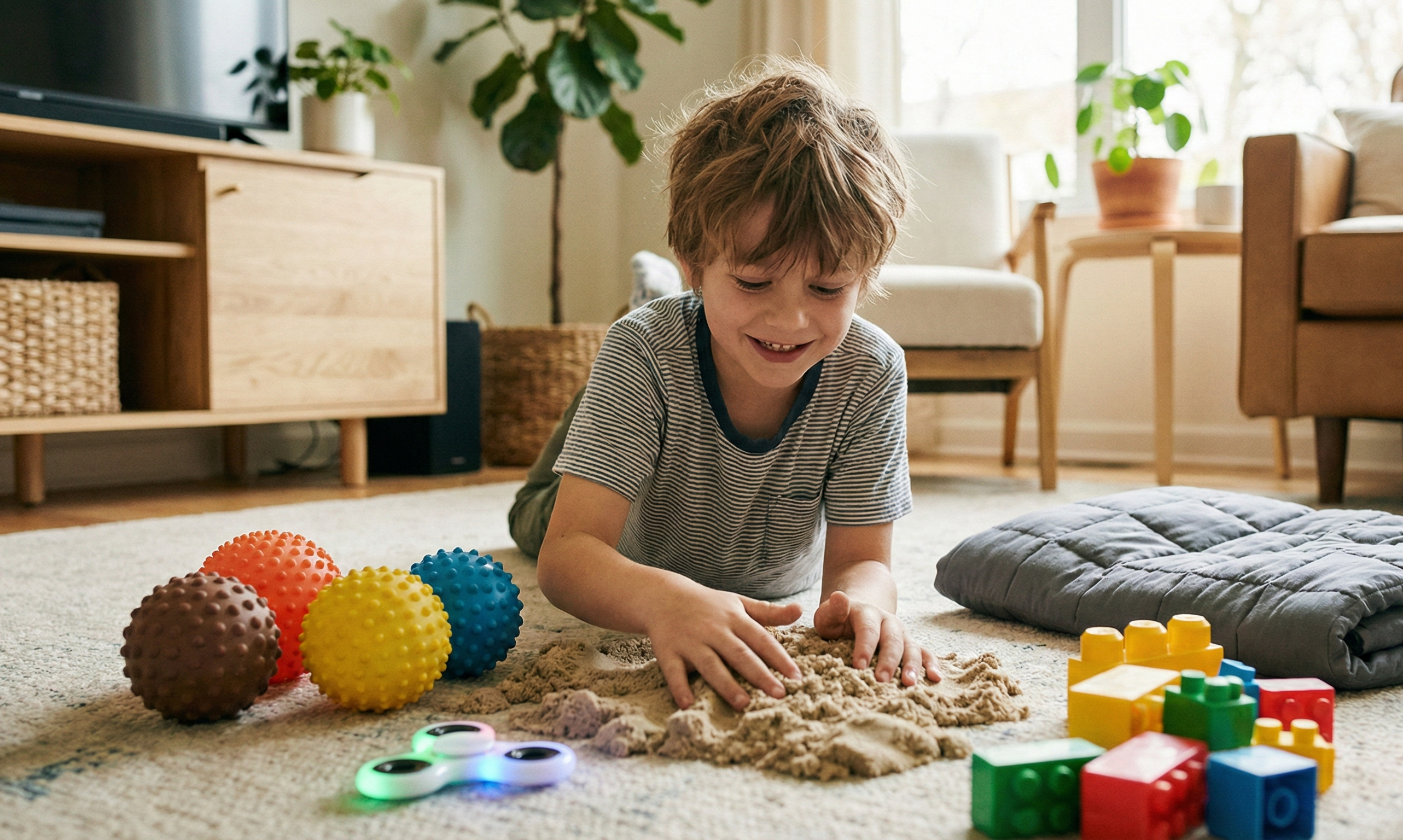 Sensory toys for a 7-year-old are crafted to awaken the senses and inspire curiosity. They engage children through touch, sight, sound, and even smell. These toys can be particularly beneficial for kids with sensory processing challenges or autism, as they help sharpen their sensory abilities.
Among the favorites are:
- fidget spinners that offer tactile feedback,
- textured balls that present a range of sensations when touched,
- sensory bins filled with intriguing materials like sand or water beads.
Not only do these toys provide fun, but they also facilitate learning through interactive experiences.
Playing with sensory toys can significantly enhance a child’s focus and concentration. Furthermore, these activities nurture creativity and spark imagination. Participating in sensory exploration play is vital for emotional regulation and enhances social interactions with peers.
Benefits of Sensory Toys for Child Development
Sensory toys play a crucial role in the development of children, particularly those around the age of seven. These engaging tools stimulate various senses, which is vital for both cognitive advancement and fine motor skills. By providing a hands-on approach, they allow kids to discover their environment while enhancing their hand-eye coordination through active engagement.
One significant benefit of sensory toys is their ability to alleviate anxiety and improve concentration. Many children find solace in the tactile sensations these toys offer, which encourages them to immerse themselves more deeply in learning experiences. For instance, items like:
- fidget spinners,
- textured balls,
- sensory mats,
- squishy toys,
- chewable jewelry.
not only capture attention but also help soothe restless energy.
Additionally, sensory toys foster problem-solving abilities as kids explore different textures and sounds. This type of play can spark creativity and imaginative thinking—both essential components for emotional growth. Incorporating sensory toys into playtime creates meaningful opportunities for children to develop in well-rounded ways.
How sensory toys enhance cognitive skills
Sensory toys are incredibly important for boosting children's cognitive abilities by offering interactive and engaging learning experiences. These toys provide tactile feedback, which plays a crucial role in sharpening focus and concentration. For instance, when children play with textured balls or fidget spinners, they actively engage their senses, stimulating their thinking processes.
The hands-on nature of sensory toys allows kids to grasp complex concepts in subjects like math and science through direct interaction. This physical involvement not only aids in retaining information but also makes learning enjoyable and effective. Studies have shown that sensory play can improve attention spans and foster cognitive flexibility as children navigate different activities while exploring a variety of textures and sensations.
Moreover, these toys spark creativity by inspiring imaginative play scenarios. As kids interact with them, they enhance their problem-solving skills by experimenting with how various materials can work together. Ultimately, integrating sensory toys into everyday routines offers a delightful way to promote cognitive development in young learners while keeping them engaged on their educational journey.
Improving fine motor skills through tactile stimulation
Tactile stimulation through sensory toys is crucial for enhancing children's fine motor skills. When youngsters interact with these playful tools, they learn to manipulate objects, which is key for building hand-eye coordination and dexterity—abilities essential for tasks like writing and drawing.
Fine motor skills consist of small muscle movements primarily involving the hands and fingers. As kids engage with textured items such as balls or fidget spinners, they practice important actions like:
- gripping,
- pinching,
- squeezing.
These simple yet effective movements help strengthen their hand muscles. Studies have shown that regular play with sensory toys not only aids in physical development but also supports cognitive functions.
Integrating tactile experiences into playtime allows parents to foster a range of developmental benefits beyond just physical growth. While exploring various textures and sensations, children:
- improve their movement control,
- spark creativity,
- provide opportunities for problem-solving as they investigate how different materials interact with each other.
Incorporating sensory toys into playtime offers an engaging way to enhance fine motor skills while also nurturing cognitive development and imaginative exploration.
Types of Sensory Toys Suitable for 7-Year-Olds
When it comes to sensory toys for 7-year-olds, there's a delightful variety available, each crafted to engage different senses. Consider the following categories:
- Tactile toys like squishy stress balls and textured puzzles offer hands-on experiences that spark the sense of touch,
- Sensory fidget toys provide an array of tactile feedback designed to help children concentrate and alleviate anxiety,
- Sensory bins, packed with materials such as rice, beans, or kinetic sand, invite children to explore and unleash their creativity through imaginative play,
- Adding water beads introduces an intriguing texture that further captivates young hands,
- Sound-based toys like musical instruments (e.g., xylophones or maracas) enhance engagement by stimulating auditory senses.
Ultimately, selecting appropriate sensory toys that cater to the varied needs of 7-year-olds can significantly aid their development while ensuring they have fun during playtime.
Interactive toys that promote engagement
Interactive toys are vital for children's growth and development. They invite kids to actively engage, enhancing their learning experience through fun and play. A variety of these toys, such as building sets, puzzles, and collaborative games, help foster social skills while promoting cognitive advancement.
Active engagement is essential for nurturing creativity and critical thinking in young minds. Many of these toys encourage teamwork among children, allowing them to hone their communication abilities. For instance, construction kits like LEGO inspire kids to collaborate, exchanging ideas as they create various structures together.
Moreover, interactive games that challenge problem-solving skills can significantly enhance cognitive function. Studies indicate that children who enjoy these types of activities often exhibit better focus and stronger memory retention. Games that emphasize strategy or logic effectively stimulate their thought processes.
The advantages of interactive toys extend beyond mental capabilities; they also aid emotional development. When children participate in group activities using engaging tools, they learn how to navigate social situations, resolve disagreements, and form friendships. These experiences are crucial for personal growth and overall happiness.
By integrating interactive toys into playtime routines, we cultivate an environment where children can flourish both socially and intellectually. These enjoyable activities encourage collaboration and imaginative exploration in a delightful manner.
Educational toys for play-based learning
Educational toys crafted for play-based learning serve as invaluable resources, allowing children to discover new concepts through interactive experiences. When kids engage with tools such as counting boards and thematic stamps, they unleash their creativity while simultaneously honing their problem-solving abilities—all in a playful environment.
These engaging toys transform the learning process into a delightful adventure that fosters cognitive development. For instance, using counting boards helps children grasp numerical concepts and fundamental math skills more effectively. Meanwhile, thematic stamps spark imaginative play, enabling kids to weave together stories or create scenes that introduce them to narrative structures.
Moreover, these educational tools promote collaboration among peers. Activities like group games or cooperative building sets encourage children to work together on challenges, which nurtures their social skills. This type of interaction is vital for developing emotional intelligence and fostering teamwork capabilities.
Studies indicate that integrating play-based learning through educational toys greatly enhances children's overall growth. Research has shown that youngsters who participate in these interactive activities exhibit better focus and retention of knowledge compared to those who rely solely on traditional teaching methods. Consequently, incorporating educational toys into everyday routines enriches playtime while cultivating lifelong learning habits by making education both enjoyable and effective.
Choosing Age-Appropriate Sensory Toys
Finding the right sensory toys for kids is essential. These playful tools not only aid in development but also promote safety and engagement. When choosing sensory toys, it’s important to take into account the child's interests, sensory preferences, and developmental requirements. Toys tailored for specific age groups are designed to match the cognitive and physical skills of children as they grow.
For younger children, opting for safe materials is vital to avoid choking hazards. Consider the following materials:
- soft plastics,
- natural fibers,
- non-toxic paints.
As they mature, you can introduce more intricate toys that provide varied sensory experiences while maintaining safety standards. For example, textured balls or fidget spinners can enhance tactile exploration in a fun way.
Durability matters too; it's important that toys withstand energetic play without breaking easily. This ensures that your investment in these developmental resources lasts longer and continues to engage the child over time.
Providing a variety of sensory experiences ignites curiosity and creativity in young minds. Consider toys like:
- sensory bins filled with rice or kinetic sand,
- interactive sound-based toys,
- puzzles with different textures.
Toys like sensory bins invite imaginative play while also helping improve fine motor skills. Additionally, interactive sound-based toys stimulate auditory senses, making playtime even richer.
In essence, selecting the right age-appropriate sensory toys involves a thoughtful strategy that emphasizes safety and developmental advantages while catering to personal preferences and interests.
Factors to consider when selecting toys
When it comes to selecting toys for children, there are several important factors to keep in mind to ensure that the toys are not only enjoyable but also beneficial for their growth.
Start by assessing the child's developmental stage. It's crucial that the toys align with their current abilities while also promoting advancement in key areas such as:
- fine motor skills,
- cognitive development,
- social interaction.
Children's interests should not be overlooked either. Choosing toys that resonate with a child's passions can significantly enhance their motivation to engage and learn through play. Additionally, consider any sensory sensitivities; some kids may require toys specifically designed to cater to their unique sensory preferences.
Another vital aspect is how well a toy can adapt as the child grows. Selecting versatile options that maintain interest over time encourages continuous learning and exploration. For instance, toys that evolve from simple activities into more intricate problem-solving tasks can greatly benefit a child's long-term development.
Lastly, prioritize safety when picking out toys. Ensure they are made from non-toxic materials and free of small parts to minimize risks during playtime. By concentrating on these elements—developmental needs, personal interests, sensory considerations, adaptability, and safety—parents can make thoughtful decisions when choosing toys for their little ones.
Safe materials for sensory play
Using safe materials for sensory play is essential for children's exploration and engagement without exposing them to health hazards. Popular choices include:
- natural wood that offers a distinct texture, sparks imaginative play, and boasts durability for energetic use,
- non-toxic plastics available in an array of vibrant colors and shapes that captivate attention and encourage interaction,
- silicone which is soft and flexible, making it ideal for fidget toys or molds,
- sensory bins filled with rice or sand that create fantastic opportunities for tactile experiences while prioritizing safety.
By thoughtfully selecting sensory materials, caregivers not only enhance the play experience but also foster creativity in children. This careful selection ensures their well-being during interactive playtime.
Popular Sensory Toys and Their Features
Among the most beloved sensory toys are counting boards and graphic motor boards, both of which enrich children's sensory experiences while fostering learning.
Counting boards invite kids to dive into the world of numbers through hands-on activities. These vibrant boards feature colorful pieces that children can manipulate, transforming math into an enjoyable adventure. This engaging method not only makes learning fun but also nurtures cognitive abilities such as counting and problem-solving, creating a lively atmosphere for education.
Conversely, graphic motor boards emphasize the development of fine motor skills. These toys offer a variety of textures and engaging activities that boost hand-eye coordination, like tracing shapes or guiding objects along designated paths. As children tackle these challenges, they enhance their dexterity while igniting their creativity.
In addition to these boards, tactile toys like textured balls and fidget spinners have gained popularity as well. They provide diverse sensations that captivate children's interest and assist them in managing their emotions. For example, fidget spinners enable kids to channel excess energy into focused play.
Overall, sensory toys such as counting boards and graphic motor boards not only captivate young minds but also play an essential role in their growth. Through interactive play experiences, they significantly improve cognitive functions and fine motor skills.
Counting boards for developing numerical skills
Counting boards are essential tools in education that significantly enhance children's mathematical abilities through engaging play. With their vibrant colors and tactile pieces, these boards make the learning process enjoyable and captivating. This hands-on method allows kids to grasp fundamental math concepts with ease.
As children manipulate the pieces on counting boards, they gain practical experience in:
- counting,
- addition,
- subtraction.
This interactive approach not only deepens their understanding of numbers but also helps develop their fine motor skills. Studies indicate that learning through touch can improve retention of mathematical ideas.
Moreover, counting boards encourage collaborative learning among peers. In group settings, they foster interaction and communication as children team up to tackle problems or complete tasks together. This social dimension is crucial for nurturing teamwork and interpersonal skills.
Incorporating counting boards into playtime transforms mundane math lessons into thrilling adventures, cultivating a love for learning. As kids explore numbers with these educational tools, they sharpen their numerical skills while simultaneously building confidence in their mathematical abilities.
Graphic motor boards for visual learning
Graphic motor boards are fantastic resources that greatly enhance visual learning, particularly for young children. They offer engaging ways to hone fine motor skills through enjoyable activities such as writing, drawing, and tracing. By providing a structured environment for these tasks, these boards not only improve hand-eye coordination but also nurture creativity in young minds.
Often designed with various textures and interactive elements, graphic motor boards capture children's interest, making the learning process both fun and effective. For instance, as kids trace shapes or navigate paths on the board, they refine their dexterity while tapping into their artistic abilities. These hands-on experiences are crucial for developing the foundational skills necessary for writing and other precise tasks.
Moreover, studies indicate that using graphic motor boards can significantly enhance cognitive development in children. Engaging with these tools not only sharpens fine motor skills but also promotes critical thinking and problem-solving capabilities. As children manipulate different objects or patterns on the board, they engage their minds in creative ways.
Incorporating graphic motor boards into educational settings creates a dynamic approach to visual learning. These innovative tools allow children to cultivate essential skills while delighting in the process of exploration and self-expression through artful activities.
Gifts: Why Sensory Toys Make the Best Choices
Sensory toys are rapidly gaining popularity as fantastic gifts for kids. These captivating playthings not only grab children's attention but also provide a multitude of advantages that support their growth and development. Crafted to engage the senses of touch, sight, and sound, sensory toys promote creativity and active participation during playtime.
One significant advantage of these toys is their ability to cater to different interests and sensory requirements. For instance:
- fidget spinners offer tactile feedback that aids children in focusing,
- textured balls encourage exploration through touch,
- various shapes and colors stimulate visual engagement.
This adaptability makes sensory toys perfect gifts that help cultivate developmental skills across various domains.
Moreover, these engaging tools enhance fine motor skills and cognitive functions by motivating children to actively engage in play. As they manipulate the toys, they practice essential movements like gripping and squeezing—key abilities needed for writing or drawing. Research indicates that interactive play with sensory toys can also elevate concentration levels and alleviate anxiety in young ones.
When selecting gifts for children, it's crucial to choose age-appropriate options that align with their developmental milestones. Opting for toys made from safe materials—such as non-toxic plastics or natural fibers—ensures a secure play experience while encouraging imaginative exploration.
Overall, giving sensory toys as presents provides a rich experience for children. They not only entertain but also function as valuable resources for emotional regulation and social interaction with peers. With their extensive benefits, sensory toys truly stand out as one of the best choices when it comes to gifting for kids.
Why sensory toys are ideal gifts for children
Sensory toys are fantastic gifts for kids, offering a wealth of advantages that go far beyond mere entertainment. These engaging toys stimulate a variety of senses—like touch, sight, sound, and even smell—inviting children to explore and learn in an enjoyable manner. Their interactive nature not only promotes cognitive growth but also enhances fine motor skills through active play.
One significant advantage of sensory toys is their ability to alleviate anxiety and sharpen focus. For instance, fidget spinners provide tactile sensations that can help children concentrate more effectively on tasks. Textured balls inspire exploration through touch, while squishy toys offer a soothing experience, making them perfect for kids who may struggle with emotional regulation.
Moreover, these toys encourage creativity and imaginative play. As children experiment with different materials and textures, they develop problem-solving abilities while navigating various scenarios. This form of play nurtures personal development and also boosts social interactions when shared with peers.
Studies indicate that engaging with sensory toys can greatly enhance attention spans and cognitive flexibility. By incorporating these tools into their children's playtime routines, parents can ensure these gifts contribute positively to overall development while keeping little ones entertained and actively engaged.