
Sensory toys for a ten-year-old child
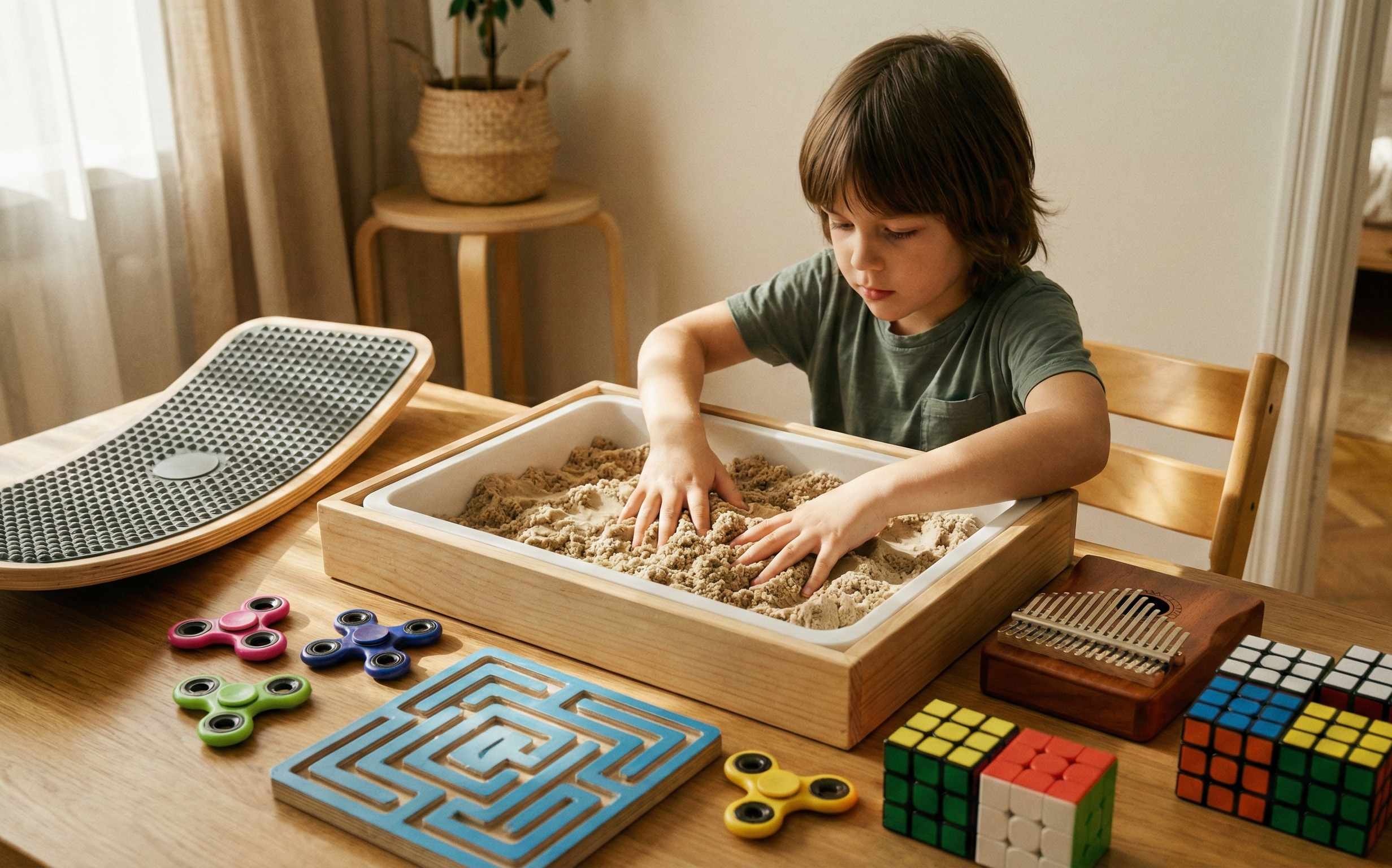 Sensory toys are specially crafted tools that captivate a child's senses, providing stimulation through touch, sight, sound, or even smell. For a 10-year-old, these toys can be incredibly beneficial for development. They encourage activities such as squeezing, pulling, and manipulating various textures, which can significantly enhance fine motor skills.
In addition to physical development, sensory toys play a crucial role in helping children manage their emotions. They often have a soothing effect during moments of stress or anxiety.
Children who experience sensory processing challenges or autism particularly benefit from these engaging tools. Sensory toys create a safe environment where kids can explore their sensory experiences more comfortably. This exploration often leads to improved concentration and reduced anxiety.
Popular options among sensory toys include:
- squishy gel balls,
- fidget spinners,
- textured mats,
- instruments that produce sound.
Each toy is designed to engage specific senses and encourage interactive play. By incorporating sensory toys into everyday routines, parents can foster their child’s growth while making learning enjoyable and exciting.
How to Recognize the Sensory Needs of a 10-Year-Old
Recognizing the sensory requirements of a 10-year-old is essential for fostering their emotional and developmental progress. By observing their actions, caregivers can gain valuable insights into how these children interpret sensory information. For instance, if a child shows enthusiasm for specific textures, it could suggest they thrive on tactile experiences. Conversely, signs of discomfort in loud environments might indicate sensitivities to sound.
Watch for behaviors such as:
- repetitive motions,
- fidgeting,
- difficulty concentrating on tasks.
These are often clear signals of sensory processing difficulties and can hint that they may benefit from sensory breaks or calming tools.
By understanding these sensory preferences, caregivers can select appropriate toys and resources that cater to their child's diverse needs. Consider these options:
- Weighted blankets provide a sense of security,
- noise-canceling headphones help manage auditory distractions,
- textured items promote tactile exploration and engagement.
Addressing these needs proactively allows parents to better equip their children to navigate various situations and ultimately enhances their overall well-being.
How to Choose Sensory Toys According to a Child's Needs?
Selecting the right sensory toys for a child involves thoughtful consideration. Begin by evaluating their sensory preferences; pay attention to which textures, sounds, or visual stimuli capture their interest. For example, if a child enjoys tactile sensations, squishy gel balls or textured mats could be wonderful choices.
Don't hesitate to reach out to therapists or educators for additional guidance. Their expertise can provide valuable insights into the child's unique developmental needs and suggest toys that align with those requirements. It's essential to ensure that all chosen toys are safe and suitable for the child's age and maturity level.
Moreover, keep the child's personal interests in mind when picking sensory toys. Choosing items related to what they love can enhance both learning and fun. For instance, if music is a passion for them, introducing sensory play instruments might be particularly beneficial.
Lastly, consider versatility in your toy selections. Opting for toys that support various types of play allows them to adapt as the child grows and evolves developmentally. Items like fidget spinners or noise-canceling headphones not only satisfy immediate sensory needs but also offer comfort during overwhelming moments.
By following these tips and focusing on personalized options, parents can effectively nurture their child's development through engaging and suitable sensory toy choices.
Understanding Individual Sensory Preferences
Recognizing a child's distinct sensory preferences is crucial for nurturing their emotional health and overall growth. These preferences encompass the different types of sensory experiences that children either relish or shy away from, including touch, sight, and sound. For instance, some kids flourish with tactile activities, finding joy in toys that feature an array of textures, such as squishy gel balls or textured mats. On the other hand, certain children may gravitate toward soothing sounds from musical instruments or favor the tranquility offered by noise-canceling headphones.
By understanding these unique sensory inclinations, parents can select toys that truly resonate with their child. This customized approach not only enriches playtime but also fosters emotional stability during challenging situations. Noticing cues like enthusiasm for specific textures or discomfort in noisy settings can help caregivers gain deeper insights into their child’s needs.
Moreover, thoughtfully chosen toys that cater to these sensory experiences can significantly enhance a child's concentration and alleviate feelings of anxiety. When children engage with resources tailored to their sensory preferences, they have the opportunity to explore and express themselves freely while navigating their surroundings more effectively.
Matching Toys to Developmental Goals
Choosing the right toys is essential for nurturing a child's growth in areas such as cognitive skills, motor abilities, and social interactions. It's crucial to think about the developmental milestones a child is aiming to reach when making these selections.
For enhancing fine motor skills, consider these fantastic options:
- building blocks,
- shape sorters,
- threading beads,
- using safety scissors.
As children manipulate these pieces, they not only refine their dexterity but also boost their hand-eye coordination.
When it comes to cognitive development, puzzles and educational games play a key role by promoting problem-solving and critical thinking abilities. Moreover, toys that spark imaginative play—such as dolls or action figures—encourage creativity and storytelling.
Social skills flourish through cooperative play experiences. Board games and group activities give kids valuable opportunities to:
- share,
- communicate effectively,
- navigate conflicts with peers.
Engaging in interactive play helps them understand social cues while building empathy.
By thoughtfully selecting toys that align with these developmental objectives, caregivers can create an enriching environment where children thrive while enjoying themselves. This intentional approach ensures that each toy serves not just as entertainment but also as a tool for vital growth across various aspects of their lives.
Types of Sensory Toys That Support Child Development
Sensory toys come in a wide array of types, each crafted to enhance a child's growth through unique sensory experiences. Understanding these variations can help you make the most out of their advantages.
- Visual and auditory sensory toys engage a child’s sight and hearing,
- vibrant light-up items or musical instruments captivate with colors and encourage exploration of sounds,
- these playful tools boost cognitive abilities as kids learn to link sounds with their actions.
- Tactile toys emphasize the sense of touch and are crucial for developing fine motor skills,
- textured balls or squishy gel pads invite kids to squeeze and manipulate them,
- such activities improve dexterity and allow children to experience different textures, aiding their sensory processing.
- Movement-oriented toys enhance balance and coordination,
- tools like balance beams or swing sets inspire physical activity,
- helping little ones develop gross motor skills while having fun during playtime.
By integrating a diverse range of sensory toys into playtime, you can stimulate the senses while assisting with emotional regulation. Ultimately, these resources are vital for comprehensive child development. Choosing the right sensory toys based on individual preferences enables caregivers to foster an environment rich in growth and learning opportunities.
Visual and Auditory Sensory Toys
Sensory toys designed for visual and auditory stimulation are wonderful tools that ignite a child's curiosity, promoting engaging experiences that enhance cognitive abilities. These toys range from vibrant light-up gadgets to musical instruments and various sound-producing devices. Not only do they capture children's attention, but they also encourage them to explore an exciting world of sounds and colors.
Bold hues and intriguing patterns provide visual stimulation that can sharpen focus and improve the processing of visual information. For instance, toys that light up can spark a child's interest while also fostering hand-eye coordination as they respond to the movements. Similarly, the sounds produced by musical instruments or noise-making toys aid in auditory development, enabling kids to grasp cause-and-effect relationships more effectively.
Studies show that interacting with these sensory tools can significantly boost cognitive functions such as:
- memory retention,
- problem-solving skills,
- recognizing patterns,
- linking their environment with various stimuli.
Incorporating visual and auditory sensory toys into playtime not only offers enjoyable experiences but also provides essential learning opportunities. These playful activities lay a solid groundwork for:
- emotional regulation,
- enhanced concentration,
- overall developmental growth.
Tactile and Fine Motor Skill Toys
Tactile and fine motor skill toys are essential for fostering children's dextrity and hand-eye coordination. These engaging tools provide tactile stimulation, which plays a crucial role in enhancing fine motor abilities. Examples include:
- textured toys,
- putty,
- construction sets.
Textured toys come with various surfaces or materials designed to encourage children to explore with their hands. This exploration not only strengthens the small muscles in their hands and fingers but also boosts control and coordination. For instance, putty or dough can be squeezed, rolled, or shaped in countless ways, allowing kids to engage their fine motor skills while enjoying sensory feedback.
Building sets are equally important in a child’s development journey. These kits typically involve assembling pieces through activities like stacking, connecting, or balancing different objects. Such tasks not only refine manual dexterity but also promote problem-solving skills as children learn how to bring their creative ideas to life.
Additionally, therapeutic toys aimed at sensory engagement can greatly assist children with specific developmental needs. These specialized tools often help enhance focus during tasks by providing calming effects through tactile interaction.
By incorporating these tactile and fine motor skill toys into playtime, we effectively nurture both physical growth and sensory processing abilities. This approach creates a vibrant environment where children can flourish emotionally and cognitively.
Movement and Balance Toys
Toys that promote movement and balance play a vital role in helping children cultivate essential gross motor skills, coordination, and awareness of their bodies. These engaging tools not only encourage active play but also foster physical fitness. Examples include:
- balance boards that challenge kids to maintain stability while honing their coordination,
- rehabilitation balls that offer a versatile option for exercises aimed at enhancing flexibility and overall physical health.
Balance boards are fantastic movement toys as children shift their weight to stay upright, activating their core muscles, which contributes to improved strength and posture. Likewise, rehabilitation balls serve a similar purpose in promoting movement and fitness.
Beyond the obvious physical advantages, these movement toys significantly contribute to various facets of child development. They create a safe space for children to take risks and build confidence as they master new skills. Additionally, while playing with these toys, kids enhance their spatial awareness as they learn how to navigate their surroundings while maintaining balance.
Studies indicate that regularly incorporating movement and balance toys into playtime can have a positive impact on children's performance in sports as well as daily activities. By weaving these playful elements into everyday routines, caregivers can facilitate active learning experiences that support the development of crucial motor skills.
Best Sensory Toys That Enhance Creativity
Sensory toys that enhance creativity are crucial for children, particularly around the age of 10. These engaging tools promote open-ended play, enabling kids to tap into their imaginations through various activities. The most effective sensory toys stimulate several senses and aid in developing problem-solving abilities.
Building sets are a fantastic example of sensory toys. These adaptable materials allow children to construct structures and designs straight from their minds. For instance, magnetic tiles or LEGO blocks can be utilized in countless ways, fostering innovative thinking and improving spatial awareness.
Art supplies, such as modeling clay or watercolor paints, also belong in this category. These items provide children with opportunities for artistic expression, sharpening their creative skills while enhancing fine motor development. Participating in arts and crafts not only nurtures creativity but also offers therapeutic benefits by helping kids unwind and concentrate.
Interactive sensory bins filled with rice, beans, or sand are excellent resources for imaginative play as well. Kids can use scoops or molds to explore different textures and shapes while crafting stories during their playtime. This type of hands-on engagement supports cognitive growth through exploration and discovery.
Additionally, musical instruments tailored for younger audiences can spark creativity through sound experimentation. Instruments like xylophones or hand drums encourage kids to play with rhythm and melody, inspiring them to compose original tunes.
Incorporating a diverse range of sensory toys into a child's daily routine fosters an environment rich in creativity and exploration. By selecting engaging activities that resonate with children's interests and developmental stages, parents can cultivate imaginative thinking while ensuring that learning remains fun.
Open-Ended Play Materials
Open-ended play materials are essential tools that significantly enrich children's play experiences by fostering creativity and inviting exploration. These adaptable items, ranging from building blocks to art supplies and sensory bins, encourage children to engage in imaginative activities without the constraints of fixed rules or specific outcomes.
Take building blocks, for instance; they allow kids to create structures in any shape or size they envision. This kind of play not only enhances spatial reasoning but also fine-tunes fine motor skills as little hands manipulate the pieces. Similarly, art supplies like modeling clay and watercolor paints provide opportunities for self-expression, helping children cultivate their artistic talents while improving their hand-eye coordination.
Sensory bins filled with materials like rice, beans, or sand offer a tactile adventure that captivates the senses. As children scoop, pour, and mold these substances into various textures and shapes during open-ended play, they actively engage in discovery and experimentation—key components of cognitive development.
Studies indicate that interacting with such flexible play materials not only sparks creativity but also nurtures problem-solving abilities. When faced with challenges posed by their creations, children develop critical thinking skills. Additionally, when engaging in these activities alongside peers, they enhance their social skills through collaboration.
By incorporating a variety of open-ended play materials into everyday routines, we can create an environment where children thrive creatively while acquiring vital life skills. This form of unstructured play is fundamental for holistic child development at every stage of growth.
STEM-Based Sensory Tools
STEM-inspired sensory tools seamlessly combine playful experiences with fundamental concepts from science, technology, engineering, and mathematics. These innovative toys ignite children's curiosity and bolster their problem-solving and critical thinking abilities.
Consider interactive puzzles; they encourage young learners to strategize and think ahead. Building sets foster creativity by allowing kids to construct their own designs. Through these engaging educational toys, children not only enhance essential cognitive skills but also delve into concepts such as:
- balance,
- symmetry,
- spatial awareness.
Moreover, many of these sensory tools incorporate tactile features that aid in fine motor skill development. Puzzles with various textures invite kids to engage their sense of touch while tackling challenges. This multi-sensory learning experience makes the process enjoyable and enhances retention of information.
Studies indicate that incorporating these toys into playtime can significantly boost a child’s concentration and help them manage stress effectively. The hands-on aspect of STEM-based sensory tools serves as a constructive outlet for energy while fostering emotional regulation along with cognitive advancement.
When it comes to choosing STEM-based sensory tools for 10-year-olds, parents have a wealth of options available. Look for products that blend engaging exploration with educational benefits—such as:
- coding games,
- robotics kits,
- interactive science experiments,
- engineering challenges,
- math puzzle games.
By selecting the right resources, caregivers can cultivate an enriching environment where children thrive while relishing the joy of discovery in STEM education.
Examples of Sensory Toys Suitable for 10-Year-Olds
Sensory toys designed for 10-year-olds address a wide range of sensory needs, enhancing both playtime and therapeutic experiences. Here are some great options to consider:
- Fidget toys such as spinners and cubes deliver tactile stimulation that can significantly improve concentration,
- Textured sensory balls feature various surfaces that invite kids to explore through touch, promoting fine motor skills while they enjoy squeezing or rolling them around,
- DIY sensory kits empower children to craft their own unique sensory experiences by combining materials like sand, clay, and beads; these kits ignite creativity and encourage problem-solving as kids invent their personalized sensory tools,
- Weighted blankets provide gentle pressure that can help ease anxiety during challenging moments,
- Interactive sound instruments stimulate auditory senses and aid in emotional regulation.
Integrating these sensory toys into everyday activities fosters development across multiple areas—cognitive abilities, emotional well-being, and physical coordination—making them invaluable resources for children at this age.
Fidget Toys and Stress-Relief Tools
Fidget toys and stress-relief tools play an essential role in helping children cope with anxiety and enhance their concentration. These engaging items, such as stress balls, fidget spinners, and tactile cubes, offer sensory experiences that promote relaxation and alleviate stress.
Stress balls are a straightforward yet powerful means of easing tension. When kids squeeze these balls during anxious moments, they often find relief. Fidget spinners have become quite popular because they keep little hands occupied while focusing on various tasks. This makes them particularly useful in classrooms or during study sessions.
Fidget cubes offer a range of interactive surfaces for kids to explore. They can press buttons, roll gears, or flip switches—providing an outlet for excess energy without causing distractions for classmates.
Studies suggest that the use of fidget toys can significantly boost attention spans. For instance, research from the University of California revealed that students using fidget spinners in lectures were better at retaining information compared to those who didn’t have any sensory tools.
Moreover, blending relaxation techniques into daily activities enhances the benefits of these toys. Techniques like deep breathing or mindfulness exercises paired with fidget tools create a comprehensive strategy for managing stress and improving focus.
Incorporating fidget toys into children's lives serves as a practical method to aid emotional regulation and foster tranquility in challenging situations.
Textured Sensory Balls and Putty
Textured sensory balls and putty are wonderful tools for engaging children's senses and enhancing their fine motor abilities. These playful items invite kids to discover a range of textures, which plays a crucial role in sensory integration. Available in various shapes and surfaces, textured sensory balls encourage children to squeeze, roll, and manipulate them, all of which contribute to improved dexterity and coordination.
On the other hand, putty offers endless possibilities for creative play. Children can stretch, mold, or shape it into countless forms, turning every interaction into a hands-on learning experience that builds hand strength and coordination. Moreover, this tactile engagement can help soothe anxious feelings by providing an outlet for focus and creativity.
Incorporating textured sensory balls and putty into playtime allows parents to support their children's stress management while stimulating their senses. These toys are particularly beneficial for those with sensory processing difficulties or autism spectrum disorders, offering a safe environment for exploration. By interacting with these tactile tools, children not only develop vital life skills but also enjoy playful activities that foster creativity and emotional regulation.
DIY Sensory Kits and Craft-Based Toys
DIY sensory kits and craft-based toys offer children thrilling opportunities to unleash their creativity while stimulating their senses. These kits often come packed with materials for crafting items like slime, sensory bins, and a variety of interactive activities that inspire imaginative play.
One favorite option is the slime-making kit. Typically, these sets include:
- glue,
- activators,
- fun add-ins like glitter or beads.
As kids mix ingredients to create their own slime, they get to explore different textures and colors while honing their fine motor skills through the actions of mixing and shaping.
Sensory bins are another exciting choice for hands-on exploration. Parents can fill these bins with an assortment of materials such as:
- rice,
- beans,
- sand,
- complemented by scoops and molds.
This setup encourages children to engage with diverse textures, enhancing not only their tactile awareness but also their focus and problem-solving abilities.
Craft-based toys play a pivotal role in fostering creativity as well. Items like:
- building blocks,
- art supplies.
allow kids the freedom to design whatever they envision. For example, working with modeling clay ignites artistic expression while simultaneously strengthening the hand muscles essential for fine motor development.
Moreover, the activities offered by DIY sensory kits can significantly aid in children's emotional regulation. The act of creating something new can be both soothing and fulfilling, equipping kids with tools to manage stress more effectively.
Incorporating DIY sensory kits and craft-based toys into playtime cultivates a vibrant environment where children can flourish through exploration and engaging hands-on learning experiences.
The Impact of Sensory Toys on Learning and Concentration
Sensory toys are essential for enhancing learning and focus by providing valuable sensory stimulation. These engaging tools activate various senses, enabling children to manage distractions and remain actively engaged in their activities.
Research indicates that children who face sensory processing challenges, including those on the autism spectrum, often demonstrate improved focus when they use sensory toys. For instance, the tactile sensations from textured balls or fidget spinners allow them to channel excess energy positively, resulting in longer attention spans during educational tasks.
Moreover, these toys can alleviate anxiety and stress, further boosting a child's concentration levels. A perfect example is weighted blankets; they offer gentle pressure that fosters relaxation and comfort during challenging moments.
Incorporating these tools in classrooms or at home helps create an environment conducive to focused learning. By selecting sensory resources tailored to individual preferences—such as:
- auditory instruments for sound engagement,
- tactile materials for hands-on interaction,
- visual toys for enhancing sight focus,
- kinesthetic tools for movement,
- olfactory resources for scent stimulation.
Parents and educators can enhance cognitive development while making the learning process enjoyable.
Thoughtfully integrating sensory toys not only improves concentration but also nurtures emotional health. This powerful combination paves the way for more effective learning experiences for children.
How Sensory Input Supports Focus
Interacting with sensory experiences can significantly enhance children's focus, particularly when they utilize sensory toys. These engaging tools provide both tactile and auditory stimulation, allowing kids to channel their surplus energy into focused concentration. For instance, textured balls and fidget spinners enable children to shift their attention effectively, making it much easier for them to participate in learning activities.
Studies show that sensory input plays a crucial role in improving concentration, especially for children who struggle with sensory processing issues. When these youngsters use sensory toys, they frequently exhibit longer attention spans and greater engagement in educational tasks. This improvement occurs because the stimulating sensations help anchor them, alleviating anxiety and minimizing distractions.
Bringing various types of sensory input into play—such as visual, auditory, and tactile—creates a well-rounded environment that enhances focus. Consider the following tools:
- noise-canceling headphones help eliminate auditory distractions,
- textured mats promote tactile exploration,
- visual aids can capture attention effectively,
- aromatic diffusers provide calming scents,
- stress balls allow for physical engagement.
By recognizing each child's individual preferences for sensory experiences, caregivers can select the most effective tools to boost concentration during learning sessions.
Strategically incorporating sensory input not only aids in maintaining focus but also supports emotional regulation by offering calming effects during moments of stress. This holistic approach ultimately cultivates a nurturing atmosphere that encourages meaningful learning and healthy development for children.
Improving Memory and Problem-Solving Skills
Playing with sensory toys can significantly boost memory and problem-solving abilities in children, particularly those around the age of 10. These engaging tools often involve activities that foster critical thinking, creativity, and hands-on interaction—all crucial elements for cognitive development.
For instance, memory games that incorporate visual or auditory cues challenge kids to recall information while engaging their senses. This blend not only makes learning enjoyable but also strengthens the brain's connections associated with memory. Interactive puzzles or matching games prompt children to remember specific patterns or sequences, thereby enhancing their short-term memory skills.
Toys that involve sorting, stacking, or building also play a key role in developing problem-solving skills. Building sets such as LEGO blocks or magnetic tiles ignite creativity while teaching kids to approach challenges methodically. As they encounter obstacles during play—like balancing structures or fitting pieces together—they naturally sharpen their analytical thinking and logical reasoning.
By integrating these sensory toys into playtime routines, children can develop essential cognitive skills while exploring the world around them. Ultimately, combining memory challenges with problem-solving activities through sensory play offers a rich learning experience that nurtures children's intellectual growth.
How to Introduce Sensory Toys into Children’s Daily Routines
Incorporating sensory toys into children's everyday routines can significantly enhance their focus and help them navigate their emotions while providing crucial stimulation. A great way to achieve this is by introducing sensory breaks at strategic points during the day. These intervals allow kids to engage with these toys during transitions between activities or after completing tasks. For example, a 10-year-old might benefit from using a fidget spinner or a textured ball while tackling homework. This method not only meets sensory needs but also alleviates anxiety and boosts concentration.
Moreover, creating a consistent routine that includes the use of sensory toys can foster positive behaviors. Parents could designate specific times for sensory play—perhaps before starting homework or following school—to establish a predictable atmosphere that encourages both learning and relaxation.
Utilizing sensory tools during study sessions can be incredibly advantageous as well. Many children find it easier to focus when they have calming items like stress balls or weighted blankets within reach while working on assignments or studying for tests. The tactile feedback from these toys provides grounding, which in turn enhances their ability to concentrate on educational tasks.
By thoughtfully weaving sensory toys into daily schedules, caregivers can cultivate an environment that supports emotional health and encourages effective learning strategies in children.
Incorporating Sensory Breaks
Integrating sensory breaks into a child's daily schedule can significantly enhance their focus and alleviate stress levels. These intervals provide kids with the opportunity to engage with sensory toys, particularly during homework sessions or after extended periods of concentration. For instance, allowing a 10-year-old to enjoy a five-minute break every half hour can remarkably improve their ability to concentrate once they resume their studies. These sensory breaks deliver both physical relief and emotional advantages:- they create opportunities for children to manage their emotions better,
- they facilitate smoother transitions between different activities,
- they offer tactile stimulation that helps center children's attention and reduce anxiety.
Using Sensory Tools for Homework and Study Time
Incorporating sensory tools into homework and study sessions can significantly boost a child's focus and memory. These resources engage various senses, keeping kids interested in their academic work. For example, tactile toys like textured balls or fidget spinners offer physical stimulation, enabling children to channel excess energy positively and making it easier for them to zero in on their tasks.
Integrating sensory breaks into study habits is particularly advantageous. Brief pauses where kids can interact with these tools not only alleviate stress but also enhance emotional management, leading to smoother transitions between different activities. Studies indicate that students who utilize sensory toys during their studies tend to have longer attention spans and become more actively involved in learning.
Furthermore, calming items such as weighted blankets or stress-relief gadgets like squishy balls help create a focused learning atmosphere. By thoughtfully incorporating these sensory aids into daily study routines, caregivers can support children's emotional regulation while boosting their overall academic performance.
Moreover, understanding each child's distinct sensory preferences enables parents and educators to select the most suitable tools for them—be it auditory devices for sound stimulation or visual aids that capture attention effectively. This tailored approach not only enhances concentration but also enriches the educational experience, fostering cognitive development through active participation with learning materials.
Sensory Toys for 10-Year-Olds That Support Child Development and Creativity
Sensory toys play a vital role in the growth and creativity of 10-year-olds. These engaging tools stimulate various senses, fostering cognitive abilities, emotional wellness, and imaginative play. As children interact with sensory toys, they gain a deeper understanding of their environment while honing essential skills.
One significant advantage of these toys is their enhancement of cognitive development. For instance, puzzles and problem-solving games encourage critical thinking and boost memory retention. By playing with these types of toys, kids can practice making decisions and sharpen their spatial awareness.
Moreover, sensory toys are beneficial for emotional health as they help children navigate stress and anxiety. Items like weighted blankets or fidget spinners offer comfort during overwhelming times. Research indicates that when kids utilize these resources, they often find it easier to concentrate and experience reduced anxiety in challenging situations.
Creativity also flourishes through the use of sensory toys. Open-ended materials such as building kits or art supplies inspire imaginative play, giving kids the freedom to express themselves creatively. Activities like constructing structures or creating artwork not only stimulate innovative thinking but also enhance fine motor skills.
By integrating a diverse range of sensory toys into playtime routines, parents can nurture holistic development in their 10-year-olds. It’s crucial to consider each child’s interests when selecting these items; recognizing what captivates them will enhance engagement and effectiveness in achieving developmental milestones while promoting emotional well-being.
- enhances cognitive development,
- supports emotional health,
- fosters creativity,
- stimulates innovative thinking,
- improves fine motor skills.