
Sensory toys for an eight-year-old child
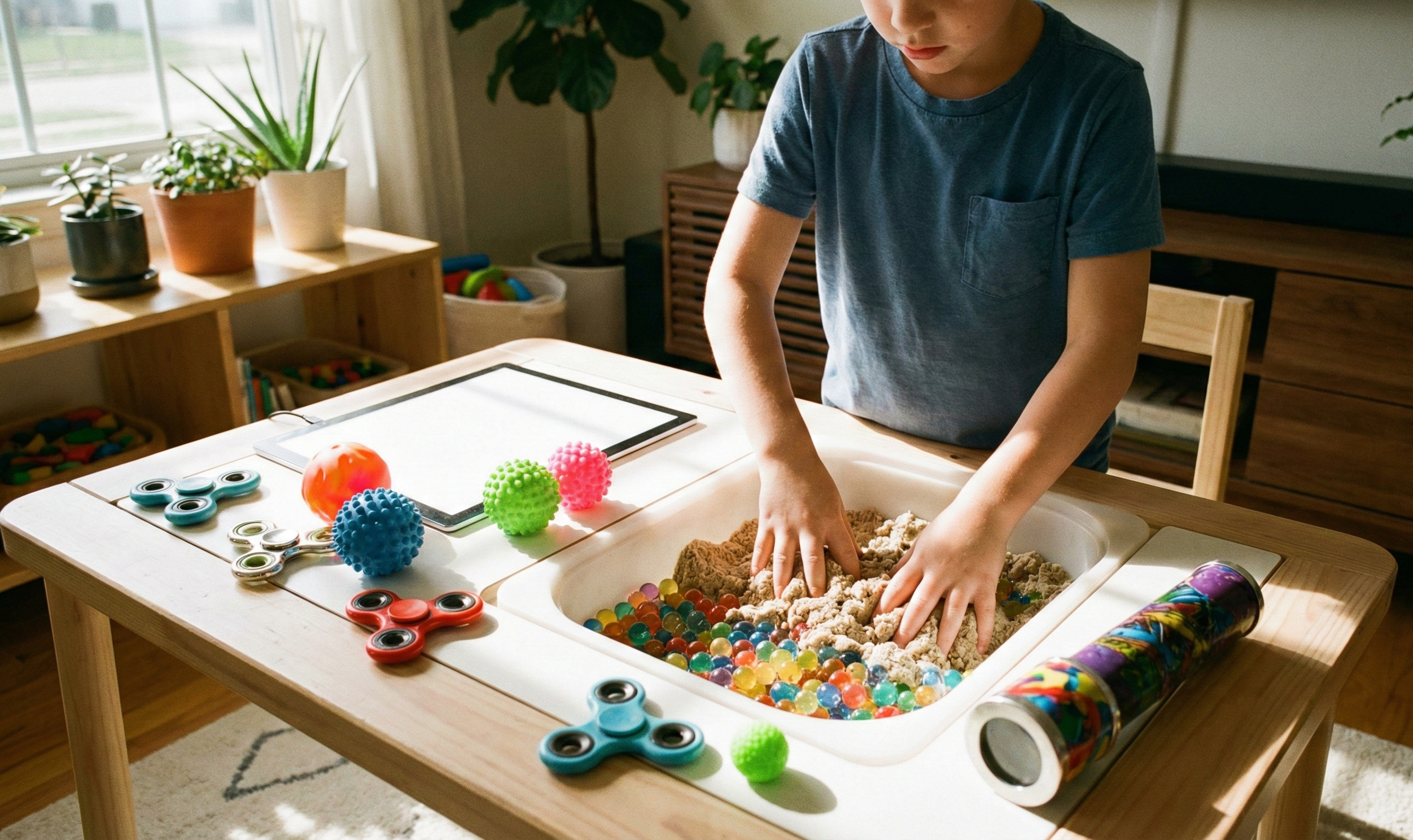 Sensory toys for 8-year-olds offer a wealth of benefits that significantly contribute to their overall development. Specifically crafted to engage various senses, these toys are particularly beneficial for children facing sensory processing challenges. When kids play with these items, they enhance cognitive skills and improve their focus, which can lead to better academic outcomes.
One of the standout benefits of sensory toys is their role in developing fine motor skills. Activities like squeezing, rolling, and manipulating these toys demand coordination and dexterity, helping children strengthen their hand-eye coordination and finger strength.
Additionally, sensory toys play a crucial role in emotional development. They provide comfort and security for children who may be sensitive to sensory inputs, allowing them to navigate their emotions during times of stress or anxiety. This support enables kids to gain better control over their feelings and enhances their ability to concentrate on tasks.
Play is another essential element of engaging with sensory toys. Through playful interaction, children benefit from therapeutic techniques that encourage creativity and problem-solving skills. By exploring diverse textures and sensations, they cultivate critical thinking abilities that are vital in everyday scenarios.
Sensory toys offer an array of advantages, including:
- improved cognitive function,
- enhanced fine motor skills,
- support for managing emotions,
- increased focus,
- opportunities for creative exploration through play.
Support cognitive and mental development
Engaging with sensory toys is essential for nurturing children's cognitive and mental growth. These interactive tools provide a rich array of sensory experiences that not only enhance problem-solving abilities but also encourage learning through playful exploration. By sparking curiosity, sensory toys effectively capture children's attention, which is key to developing their cognitive skills.
Studies show that play-based learning significantly improves concentration and bolsters critical thinking. For instance, when an eight-year-old plays with a sensory toy, they’re not merely having fun; they’re actively enhancing their cognitive functions. This form of engagement cultivates curiosity and creativity while reinforcing the connection between enjoyment and education.
Ultimately, sensory toys are vital for promoting cognitive development. They offer delightful avenues to boost focus and encourage effective problem-solving strategies during playtime.
Enhance understanding of the environment
Engaging with sensory toys significantly enhances how children perceive and interact with the world around them. These toys provide tactile experiences that ignite curiosity and encourage exploration, allowing little ones to engage with a variety of textures, sounds, and visuals. Through this kind of play, kids learn to recognize their surroundings, which is vital for developing robust sensory integration skills.
Sensory materials are designed to captivate attention and inspire discovery. For example, textured balls or sound-producing devices enable children to experiment with different sensations while simultaneously boosting their cognitive abilities. Such activities strengthen the bond between children and their environment by increasing awareness of sensory inputs.
Moreover, as kids immerse themselves in sensory play, they refine their processing skills. This development is essential for cognitive growth because it helps them identify and categorize various stimuli in their environment. By learning through these hands-on experiences, young learners not only improve their fine motor skills but also nurture important observational abilities that assist them in navigating the world.
Overall, sensory toys play a crucial role in deepening children's understanding of their surroundings. They enrich sensory experiences and foster overall cognitive development through active engagement in playful exploration.
Develop concentration and creativity
Playing with sensory toys is an excellent way to enhance both focus and creativity in children. These engaging tools capture their interest, allowing them to immerse themselves in play while honing their cognitive skills. As kids interact with these toys, they often find themselves better able to concentrate on various tasks.
Moreover, sensory toys inspire imaginative play through activities such as molding and constructing. For instance, when an eight-year-old manipulates clay or assembles blocks, they encounter problem-solving scenarios that ignite their creativity. This hands-on approach not only provides entertainment but also encourages divergent thinking—an essential component of creative development.
Additionally, studies indicate that tactile experiences are closely associated with improved attention and concentration. As children engage with the diverse textures and sounds offered by these toys, they learn to approach challenges more effectively. This exploration plays a crucial role in strengthening the critical thinking abilities necessary for successful learning.
Ultimately, integrating sensory toys into playtime serves two vital functions:
- enhancing focus,
- nurturing creativity.
By promoting active participation through enjoyable interactive experiences, these tools significantly support children's cognitive growth as they develop.
Stimulate various senses
Interacting with sensory toys provides essential multi-sensory experiences that are crucial for a child's development. These specially designed toys engage various senses—like touch, sight, and sound—which enhance sensory processing abilities. This stimulation not only boosts cognitive skills but also aids in effective sensory integration.
- touching different textures helps children discover their environment through tactile exploration,
- textured balls or soft figures can improve fine motor skills and hand-eye coordination,
- brightly colored or light-equipped toys offer visual stimulation, promoting skills like visual tracking and focus,
- toys that produce sounds add an auditory dimension that sharpens listening abilities and auditory processing,
- these toys can provide solace during times of anxiety or overwhelm, creating a comforting environment for exploration.
Beyond keeping children entertained, sensory play is vital for emotional regulation. The diverse experiences gained from engaging in sensory activities empower children to build confidence and adapt more readily to new situations.
Overall, the thoughtful design of sensory toys fosters significant growth in children's cognitive development, emotional health, and social interactions.
Build cognitive and motor skills
Interacting with sensory toys plays a vital role in nurturing cognitive and motor skills in children around the age of eight. Items like kinetic sand and puzzles are fantastic for enhancing fine motor abilities through active engagement. For instance, activities that involve rolling or squeezing these toys demand coordination and finesse, ultimately improving hand-eye coordination.
In addition to this, sensory toys foster intellectual growth by promoting problem-solving and critical thinking abilities. When kids engage with these tools, they explore in ways that ignite their curiosity and creativity. This playful interaction keeps them captivated while significantly boosting their focus.
Studies indicate that hands-on experiences with sensory materials enhance cognitive capabilities. Such interactive play not only cultivates vital thinking skills essential for real-world scenarios but also makes learning enjoyable. By incorporating sensory toys into their daily activities, children can establish a solid foundation for developing both cognitive and motor skills while delighting in the joy of exploration through play.
Encourage natural curiosity
Exploring sensory toys ignites children's inherent curiosity. These playthings provide wonderful opportunities for investigation and discovery, engaging senses such as touch, sight, and sound. As kids interact with various textures and immerse themselves in an array of sensory experiences, they develop a deeper understanding of their surroundings.
This engaging process captures their interest and keeps them focused. For instance, when children roll textured balls or experiment with sound-making gadgets, they actively delve into their environment. These interactive experiences are essential for nurturing curiosity and enhancing cognitive abilities.
Studies show that play-based learning significantly enhances children's problem-solving skills and fosters creative thinking. By using sensory toys, kids not only sharpen their attention but also find joy in the learning journey. Encouraging this natural inquisitiveness is vital for cultivating a lifelong passion for knowledge, which ultimately supports their overall growth and participation in diverse activities.
Types of Sensory Toys Ideal for Eight-Year-Olds
When selecting sensory toys for eight-year-olds, it's essential to consider their developmental milestones and individual interests. Here are some fantastic choices:
- Educational Toys: These playful items merge learning with enjoyment, helping children grasp concepts while stimulating their senses,
- Interactive Games: Board games and card games designed for group participation enhance social skills while offering sensory engagement,
- Sensory Kits: Often filled with a variety of materials for diverse sensory experiences, these kits may contain kinetic sand, slime, textured balls, or fidget tools,
- Textured Toys: Toys with different textures invite kids to explore through touch, aiding in developing fine motor skills,
- Sound-Producing Toys: Instruments or sound-making toys stimulate auditory senses and boost listening abilities,
- Visual Stimulation Toys: Brightly colored toys or those equipped with light features capture children's attention visually and help sharpen focus.
These types of sensory toys do far more than provide amusement; they play a crucial role in supporting the overall growth of eight-year-olds by enhancing cognitive abilities, improving fine motor skills, fostering emotional regulation, and encouraging creative play tailored to their unique needs.
Educational toys for sensory play
Educational toys designed for sensory play are vital resources that facilitate learning through sensory engagement. These playful tools often boast vibrant colors, diverse textures, and interactive features that not only foster cognitive growth but also enhance fine motor skills. By encouraging children to explore their environment through tactile experiences, these toys promote emotional regulation and spark creativity.
Consider some examples of such educational toys:
- textured balls,
- building blocks with unique surfaces,
- instruments that produce sound.
Each of these items invites children to touch, listen, and observe in ways that make learning enjoyable. For instance, when kids manipulate materials like kinetic sand or engage with puzzle pieces, they improve their hand-eye coordination while simultaneously sharpening their critical thinking abilities.
Studies indicate that sensory play significantly boosts cognitive function by captivating children's attention and fueling their curiosity. Participating in these activities enhances concentration as kids experiment with a variety of sensations and learn to solve problems in innovative ways.
In essence, educational toys for sensory play do more than just entertain; they play a crucial role in nurturing a child’s cognitive development and fine motor skills. By incorporating these engaging toys into everyday routines, parents can effectively support their child's educational journey while ensuring it remains fun and stimulating.
Interactive games for engagement
Engaging children through interactive games is crucial for their overall growth and development. These activities not only make learning enjoyable but also encourage teamwork and social skills, allowing kids to work together while having a blast. Studies show that joining in these fun-filled experiences can enhance attention spans and foster emotional growth.
Interactive games come in an array of formats, including:
- board games,
- card games,
- digital platforms.
Take cooperative board games, for instance; they not only promote collaboration but also inspire players to devise strategies as a team. This collaborative effort sharpens critical thinking skills, which are vital for effective social interaction.
Additionally, these games cater to various sensory experiences, appealing to a broader spectrum of interests among children. When kids engage in interactive play, they learn to navigate their emotions while improving communication and working together. This kind of involvement is key to their emotional development, as it teaches them how to express their feelings and better understand the perspectives of others.
Incorporating interactive games into playtime brings numerous advantages:
- nurtures social abilities,
- bolsters attention spans,
- enhances emotional intelligence.
These are key ingredients for a child’s holistic development.
Sensory kits and materials
Introducing children to sensory kits and materials offers a wealth of benefits, particularly for eight-year-olds. These kits are thoughtfully crafted to provide a range of textures and sensory experiences that inspire curiosity and learning. Items like kinetic sand, textured balls, and fidget toys deliver tactile stimulation, enriching the play experience.
Engagement with sensory kits plays a vital role in cognitive development by immersing kids in hands-on activities that engage their senses. For example, manipulating kinetic sand not only hones fine motor skills but also fosters problem-solving as children experiment with different ways to shape and mold it. The variety of textures enhances hand-eye coordination while allowing for creative expression.
Furthermore, these sensory materials are crucial for helping children regulate their emotions. They can create calming moments during times of stress, enabling kids to manage their feelings more effectively. Studies show that interacting with tactile items can offer comfort to those who may struggle with sensory overload or anxiety.
Incorporating sensory kits into playtime ignites curiosity and encourages independent exploration. As kids engage with diverse objects—such as squishy toys or sound-making devices—they begin to understand cause-and-effect relationships while sharpening critical thinking skills. This playful interaction not only entertains them but also nurtures a passion for learning through discovery.
Ultimately, utilizing sensory kits provides significant advantages that contribute to a child's overall development by enhancing:
- cognitive abilities,
- fine motor skills,
- emotional health,
- creativity,
- through engaging experiences tailored to meet their individual needs.
Sorting games and puzzles
Sorting games and puzzles serve as fantastic tools for enhancing children's cognitive abilities and fine motor skills. These enjoyable activities not only foster problem-solving and critical thinking but also make the learning experience exciting and fulfilling.
In sorting games, kids organize items based on various characteristics, such as:
- color,
- shape,
- size.
For example, they might group colorful blocks by their hues or categorize them according to their forms. This playful engagement encourages children to recognize patterns and make decisions, promoting brain development.
Puzzles are equally important in nurturing cognitive skills. As children figure out how pieces fit together, they enhance their:
- spatial awareness,
- logical reasoning abilities.
Successfully completing a puzzle cultivates focus and patience—traits that are essential for academic success.
Moreover, adding different textures to sorting games introduces an engaging sensory element that captivates young minds. This interaction not only sharpens fine motor skills as kids grasp and manipulate diverse pieces but also helps them gain insights into the world around them.
Overall, sorting games and puzzles provide a well-rounded educational experience. They play a crucial role in equipping young learners with valuable life skills while seamlessly blending fun with learning.
Choosing the Right Sensory Toy for Your 8-Year-Old
When choosing sensory toys for your 8-year-old, it's essential to take their individual preferences and needs into account. Start by reflecting on what excites your child; this insight will guide you toward toys that truly engage them. For instance, if they enjoy feeling various textures, seek out toys that offer a mix of different surfaces or fidgeting options.
It's also crucial to pay attention to any signs of sensory sensitivity. If your child tends to be more sensitive to touch, they might favor:
- softer materials,
- soothing visual features.
Take note of their reactions during playtime—observing how they interact with different sensations can inform better choices in the future.
Always prioritize the quality and safety of the toys you select. Opt for items that are:
- well-constructed,
- comply with safety standards,
- made from non-toxic materials.
This guarantees a safe play experience while supporting developmental growth.
Moreover, aim for toys that foster various aspects of development such as:
- cognitive abilities,
- fine motor skills,
- emotional regulation.
For example, educational kits featuring kinetic sand or textured balls can ignite curiosity and creativity while enhancing focus.
In essence, selecting the right sensory toys involves understanding your child's interests and requirements while ensuring high-quality and safe options. This thoughtful approach cultivates a positive play environment that nurtures overall growth and development.
Identifying suitable sensory toys
Finding the right sensory toys for an eight-year-old involves thoughtful consideration of their individual sensory preferences and developmental requirements. Parents can start by observing their child's reactions to various stimuli, which can provide essential clues about which types of toys will be most captivating and beneficial. When selecting sensory toys, it's crucial to keep several factors in mind. Children have distinct likes when it comes to textures, sounds, or visual elements. For instance, some kids might find joy in:- the tactile experience of textured balls,
- fidget spinners,
- sound-producing toys like musical instruments,
- noisemakers,
- options that stimulate cognitive growth through problem-solving activities.
Recognizing signs of sensory sensitivity
Identifying signs of sensory sensitivity is essential when selecting appropriate sensory toys for children, as these indicators can vary widely from one child to another. You might notice common signs such as:
- reluctance to engage with certain textures,
- discomfort in noisy environments,
- a tendency to withdraw from specific stimuli.
For instance, some children may shy away from rough fabrics or feel distressed in loud settings.
It's important for parents to observe their child's responses during playtime closely. If a child often appears overwhelmed by bright lights or sounds, they may benefit from softer toys featuring muted colors and gentle noises. Conversely, if a child actively seeks out strong tactile sensations, they might find joy in toys crafted from varied textures.
By recognizing these signs of sensory overload, parents can make informed choices about the sensory materials that best suit their child's individual needs. Ultimately, being attuned to these cues fosters an environment where children can flourish both emotionally and socially through play experiences designed to enhance their development and overall well-being.
Evaluating quality and safety of sensory materials
When selecting sensory materials for children's toys, evaluating their quality and safety is essential. Parents should prioritize non-toxic options that meet rigorous safety standards. Consider the following materials:
- BPA-free plastics,
- organic fabrics,
- finishes with low VOCs.
These choices help create a healthier environment for play.
Durability is equally important. Toys that withstand frequent use without breaking or wearing down offer children extended opportunities for engagement and learning. It's also crucial to select age-appropriate designs; toys tailored to children’s developmental stages enhance their play experiences meaningfully.
Incorporating sensory elements such as varied textures, sounds, and colors can greatly boost cognitive engagement. For example, textured balls or devices that produce sound stimulate different senses and promote fine motor skills development.
Parents should keep themselves informed about any recalls concerning sensory products and routinely inspect toys for signs of wear or damage. This vigilance helps ensure a safe play space. Researching brands renowned for producing high-quality educational toys can further empower parents in making well-informed decisions.
By concentrating on these fundamental aspects—non-toxic materials, durability, age suitability, and engaging sensory features—parents can effectively gauge the quality and safety of sensory materials. This thoughtful approach guarantees enriching play experiences that support children's overall development while safeguarding them during their explorations.
Where to Buy Quality Sensory Toys
Finding quality sensory toys for your child can be an enjoyable experience, and there are plenty of options available to suit their unique needs. When you're ready to shop, both online and local stores have much to offer. Online platforms such as Amazon, eBay, and various specialty websites boast an extensive selection of sensory products tailored for different ages and sensory preferences. User reviews and ratings often accompany these listings, making it easier to identify reliable brands. Many online retailers even dedicate sections to educational and therapeutic toys specifically aimed at children with sensory processing difficulties. On the other hand, visiting local toy shops also presents excellent avenues for discovering high-quality sensory toys. Shopping in person allows parents to feel the textures, hear the sounds, and evaluate the overall quality of items before committing to a purchase. These stores often curate a thoughtful selection of developmental toys designed with children's sensory requirements in mind. When searching for durable and safe sensory toys, it's wise to focus on well-regarded brands known for their commitment to quality. Names like Melissa & Doug, Fat Brain Toys, and Learning Resources are celebrated in the industry for producing top-notch educational products that encourage cognitive development through play. As you embark on your shopping journey for sensory toys:- explore online: reliable online retailers like Amazon or dedicated websites are great starting points,
- visit local shops: check out local toy stores that specialize in educational offerings,
- choose trusted brands: look for reputable manufacturers recognized for their outstanding quality,
- seek variety: ensure a diverse range of textures and stimuli is available.
Online retailers and local stores
Online retailers and local shops offer a diverse array of sensory toys that cater to children's various needs. Parents can easily explore platforms like Amazon or dedicated specialty sites that showcase a wide selection of sensory products designed for different age groups and interests. These online marketplaces often include customer reviews and ratings, guiding shoppers in making well-informed choices.
On the other hand, visiting local stores comes with distinct advantages when it comes to selecting sensory toys. By shopping in person, parents have the opportunity to examine items firsthand, assess their quality, and feel the textures before deciding to buy. This tactile experience is especially valuable for ensuring that the selected toys align with a child's individual sensory requirements.
When choosing where to purchase sensory toys, it's crucial to consider reputable brands recognized for their commitment to safety and quality. Some notable brands include:
- Melissa & Doug,
- Fat Brain Toys,
- Learning Resources.
These brands are celebrated for producing engaging educational toys that promote cognitive development through play. By combining the convenience of online shopping with the personal touch of local stores, parents can find appropriate sensory products that encourage growth while providing enjoyable play experiences tailored to their children's specific needs.
Recommendations for trusted brands
When selecting sensory toys for an eight-year-old, it's crucial to consider well-established brands that prioritize quality and safety. Here are some top brands to consider:
- Melissa & Doug - renowned for their durable and secure toys, which provide a wide range of sensory experiences,
- Fat Brain Toys - excels in creating innovative designs that promote sensory exploration through engaging play,
- Learning Resources - celebrated for its high-quality educational toys that blend fun with functionality.
Parents should look for brands that adhere to strict safety guidelines, including the use of non-toxic materials and age-appropriate designs. Reading reviews and ratings can also be invaluable in helping parents pinpoint trustworthy brands known for their sensory offerings.
Choosing reliable names like Melissa & Doug, Fat Brain Toys, and Learning Resources can lead to a rewarding experience with sensory toys. These selections not only prioritize safety but also foster developmental growth in children.