
Sensory toys from 6 months
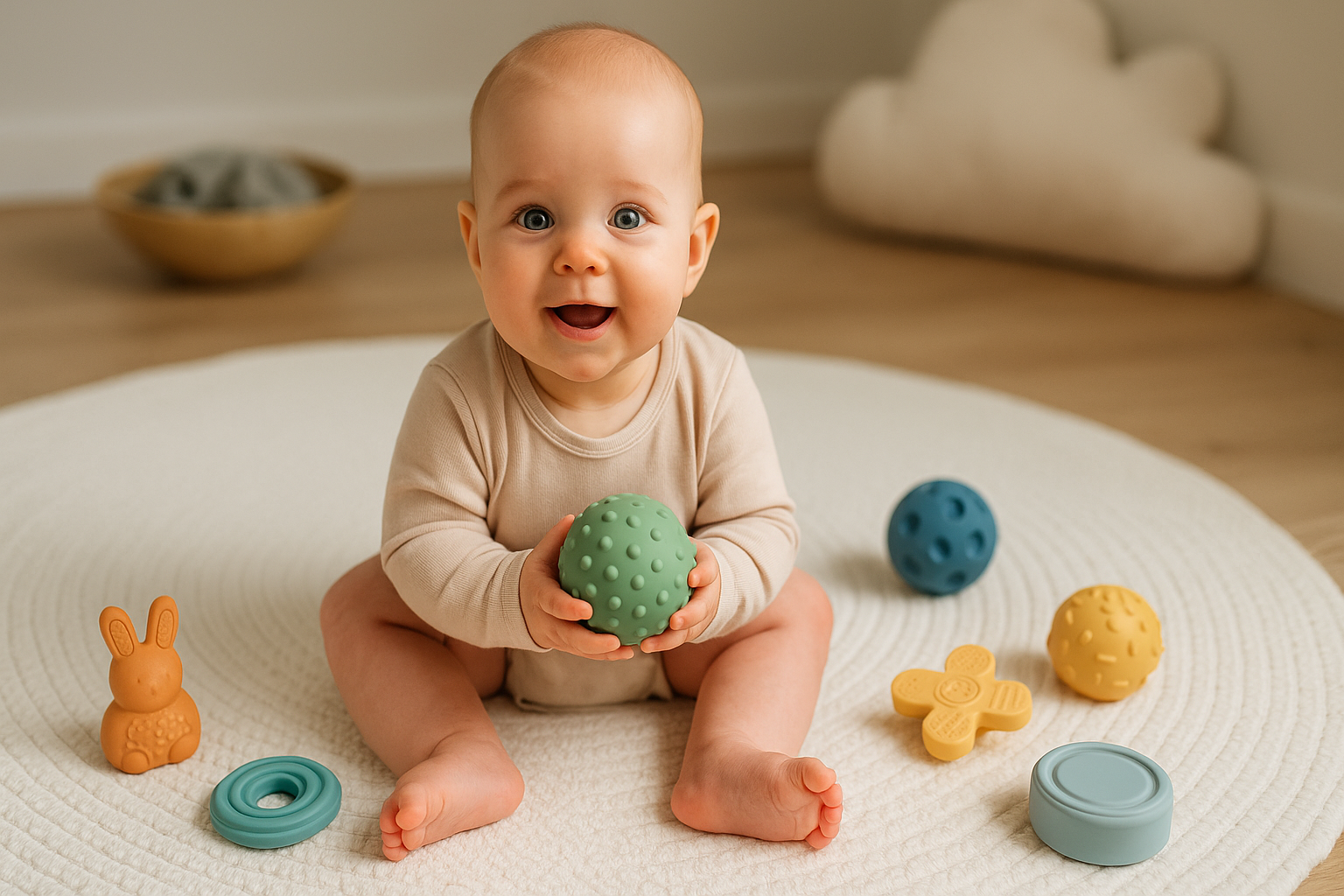 Sensory toys for babies around six months old play a vital role in their growth and development. These delightful toys are crafted to engage various senses, including touch, sight, and sound. With their bright colors and diverse textures, they capture a baby's attention, inviting exploration through hands-on experiences.
At this stage of life, infants begin to refine their motor skills and cognitive functions. Toys like textured blocks or soft rattles not only entertain but also foster sensory development. For instance, toys that produce sounds when shaken can enhance auditory processing while aiding in hand-eye coordination as little ones reach out for them.
In addition, sensory development is particularly important during the first year. Engaging with these toys ignites curiosity and nurtures problem-solving abilities. Parents have an array of choices at their disposal, including:
- plush toys made of different fabrics,
- vibrant stacking rings,
- textured balls,
- musical instruments,
- interactive books.
Integrating sensory toys into everyday activities can significantly enrich an infant's environment, promoting learning through playful interactions.
Types of Baby Sensory Toys
Sensory toys for babies are designed to engage their senses and aid in developmental milestones around the six-month mark. Here’s a look at some fantastic options that are perfect for little ones at this stage:
- Soft plush toys attract infants with a variety of textures, inviting them to explore while providing comfort,
- Rattles produce delightful sounds that capture attention and help enhance hand-eye coordination as babies shake them about,
- Teething toys soothe sore gums and are safe for little mouths, promoting healthy oral development,
- Textured sensory toys have diverse surfaces and shapes that ignite curiosity and foster grasping skills,
- Music and sound sensory toys expose babies to auditory experiences through soothing melodies or nature-inspired sounds, helping sharpen their ability to process different noises,
- Movement sensory toys are designed to be squeezed or rolled, supporting the development of gross motor skills as babies learn to reach out and crawl.
Each type of toy plays a distinct role in nurturing an infant's growth by stimulating their senses and encouraging playful interaction.
Benefits of Sensory Toys for Development
Sensory toys offer a multitude of advantages that significantly contribute to a child's growth, especially during their formative years. Designed to stimulate various senses—such as touch, sight, and sound—these toys are particularly beneficial for infants around six months old.
Key benefits include:
- enhancement of fine motor skills,
- improved hand-eye coordination,
- understanding of cause and effect,
- development of social skills,
- fostering of critical thinking and problem-solving skills.
As little ones grasp, shake, and explore these toys, they engage in vital movements that form a foundation for more complex physical abilities. This type of interactive play also improves hand-eye coordination, enabling babies to gain better control over their actions as they discover the world around them.
In addition to physical development, sensory toys play an essential role in cognitive advancement by introducing concepts like cause and effect. For instance, when a baby shakes a rattle to produce sound or presses a button to illuminate colors, they begin to understand how their actions can lead to different outcomes. This process fosters critical thinking and problem-solving skills.
Moreover, these toys encourage the development of social skills. As babies interact with peers during play—whether sharing toys or exploring together—they cultivate communication abilities and emotional connections that are important for future relationships.
Incorporating sensory toys into playtime enriches an infant's experiences while supporting their comprehensive growth by promoting advancements in physical capabilities alongside cognitive and social skills.
Choosing the Right Sensory Toys
When picking sensory toys for a 6-month-old, safety and engagement should be top priorities for parents. Opt for options that are safe, non-toxic, and free of small parts to prevent any choking risks. It's also wise to select sturdy toys that can withstand the rigors of baby play and are easy to clean.
Look for items featuring a variety of textures, colors, and sounds to truly engage your baby's senses. Sensory play is essential as it sparks curiosity and invites exploration. For instance:
- soft plush toys offer comfort while encouraging tactile discovery,
- rattles captivate little ones with sound and enhance their auditory skills,
- textured balls or stacking rings provide entertainment and assist in the development of fine motor skills,
- musical instruments create new auditory experiences that nurture an appreciation for sound,
- educational toys promote learning through fun activities.
Ultimately, when selecting sensory toys for infants at this age, keeping safety in mind while ensuring engaging sensory experiences will significantly support their overall growth and development.
Safety Considerations for Baby Toys
When selecting toys for babies, particularly those around six months old, safety should always be your top priority. Start by opting for non-toxic options; look for products clearly marked as BPA-free and phthalate-free. These designations assure that the toys are safe for little ones who tend to explore the world by putting things in their mouths.
Beyond ensuring non-toxicity, it's essential to steer clear of toys with small components that pose choking risks. Choose designs without sharp edges or points that could harm delicate skin. Lightweight and easy-to-grasp toys are ideal, allowing infants to play comfortably and safely.
Durability also plays a crucial role in your selection process. Look for robust toys capable of withstanding the chewing and rough handling typical of infants. Many parents overlook cleanliness, so it’s wise to choose items that can be easily cleaned to uphold hygiene standards and reduce the risk of bacteria growth.
Additionally, think about incorporating toys that promote movement—such as rolling or pushable sensory objects. These not only capture babies' attention but also foster their physical development in a secure manner. By focusing on these safety considerations, you create a nurturing environment where babies can freely explore and learn through play without unnecessary hazards.
Recommendations for Toys for Babies up to 6 Months
Selecting the right toys for babies under six months is crucial for their sensory growth and exploration. The ideal sensory toys should stimulate newborns' senses with a variety of textures, sounds, and safe materials. Here are some top suggestions:
- soft plush toys provide comfort while encouraging tactile discovery, opt for those made from an assortment of fabrics that enhance a baby's sense of touch,
- rattles captivate little ones with their charming sounds and assist in developing hand-eye coordination as infants shake them about, look for lightweight rattles that are easy for tiny hands to hold,
- teething toys offer relief for sore gums during this important developmental phase, ensure these items are safe to chew on, promoting oral health while providing comfort,
- textured sensory toys come in different shapes and surfaces, sparking curiosity in young minds, these playthings invite babies to grasp them, helping them learn about their environment,
- music and sound sensory toys expose infants to auditory experiences through gentle melodies or nature-inspired tunes, aiding their ability to process sounds,
- movement-based sensory toys can be squeezed or rolled, which supports gross motor skill development as babies reach out and begin to crawl.
Integrating these types of toys into daily playtime enriches an infant's learning experience and encourages growth through engaging interactions tailored to their unique developmental stages.
Best Sensory Toys for Newborns
Sensory toys for infants between 6 to 12 months are essential in nurturing their development during this critical period. These engaging toys stimulate the senses of touch, sound, and sight, prompting babies to explore and interact with the world around them. Here’s a look at some of the standout sensory toys suited for this age group:
- Soft sensory balls fit perfectly in little hands, making them easy to grasp and squeeze, with a variety of textures that provide delightful tactile experiences inviting infants to discover through touch,
- Textured blocks come with diverse surfaces that enhance fine motor skills as babies grip and manipulate them, additionally stacking these blocks fosters problem-solving abilities as they learn about balance and gravity in a playful way,
- Musical toys capture attention with their enchanting sounds that aid auditory recognition, toys that play gentle melodies or interactive noises not only develop listening skills but also offer comfort during playtime,
- Activity mats create an exciting environment filled with various attachments for little ones to explore, often equipped with mirrors, crinkly fabrics, and hanging toys encouraging visual tracking and reaching movements,
- Rattles remain timeless favorites due to their cheerful sounds when shaken, perfect for helping develop hand-eye coordination as babies learn to reach out for the source of the delightful noise,
- Teething toys designed specifically for this age group provide relief for sore gums while featuring safe materials perfect for exploration, many options come with multiple textures that promote sensory discovery,
- Movement-oriented toys like pushable or rollable objects encourage gross motor skills by motivating crawling or cruising behaviors as babies navigate their surroundings.
By incorporating these sensory toys into everyday routines, caregivers can significantly enrich infants' developmental journeys. This ensures ample opportunities for engaging their senses fully while supporting cognitive and physical growth.
Engaging Sensory Play Activities
Engaging in sensory play is essential for nurturing infants’ senses and bolstering their overall growth. Around the age of six months, babies become more curious about their surroundings, making it an ideal time to introduce a range of sensory experiences. These activities can be both simple and impactful, promoting exploration through touch, sound, and sight.
Here are some delightful ideas for sensory play:
- using various textured fabrics or materials,
- creating a sensory blanket featuring soft, rough, or bumpy surfaces,
- water play with a shallow basin filled with warm water and safe toys,
- using musical instruments like maracas or soft drums,
- reading interactive books filled with vibrant images and diverse textures.
Using textured fabrics encourages little ones to explore different sensations with their hands, enhancing their tactile skills and cognitive development. A shallow basin filled with warm water and safe toys allows babies to splash around while stimulating both their sense of touch and vision. As they reach for floating objects, they also refine their motor skills in the process.
Musical instruments are great tools for engaging infants’ auditory senses as well. Simple options like maracas or soft drums invite babies to shake or tap along to rhythms, fostering sound recognition and coordination.
Moreover, sharing interactive books together not only strengthens the parent-child bond but also enriches language exposure in a fun manner. By weaving these captivating sensory play activities into everyday routines, parents can entertain their infants while significantly supporting their developmental journey. This approach fosters curiosity and encourages them to explore the world around them.
Activities to Stimulate Senses
Engaging babies in activities that activate their senses is crucial for their overall development. Sensory play opens up a world of exploration, allowing infants to experience diverse textures, sounds, and movements. This kind of exploration significantly boosts both cognitive and physical growth. Here are some delightful activities to try:
- vibrant play mats adorned with various patterns and textures provide a secure environment for babies to roll, crawl, and visually explore their surroundings through touch,
- sensory water mats filled with water and floating toys allow little ones to encounter different sensations while honing their motor skills by reaching for the colorful objects,
- Petit Boum Sensory Bottles are captivating with their swirling colors and dynamic elements inside; when infants shake or roll these bottles, they delve into cause-and-effect concepts as they observe how movement transforms what they see.
Integrating these enjoyable sensory play activities into everyday routines not only keeps infants entertained but also plays a vital role in helping them achieve important developmental milestones through playful discovery.
Incorporating Sensory Toys into Daily Play
Incorporating sensory toys into your baby's daily playtime is essential for their growth and development. Parents can seamlessly integrate these engaging tools into various everyday activities, including:
- tummy time,
- playing with gym and playmat toys,
- enjoying quiet moments with baby board books.
This approach fosters a stimulating atmosphere that nurtures both cognitive and physical advancement.
During tummy time, sensory toys inspire babies to reach out and grasp different objects, which is key to developing fine motor skills. For instance, placing textured balls or soft plush items within their reach encourages infants to stretch and explore their surroundings. Moreover, introducing musical instruments during playtime captures their interest and promotes movement as they shake or tap along to the sounds.
When it comes to quiet time with baby board books, parents can opt for titles featuring a variety of textures. This not only makes the reading experience visually appealing but also invites tactile exploration, reinforcing learning through sensory interactions.
By weaving sensory toys into daily routines across diverse settings—like activity gyms or focused reading sessions—parents open up valuable avenues for infants to explore their environment. This holistic strategy ensures that sensory play becomes an enjoyable aspect of everyday life while significantly contributing to developmental milestones such as:
- enhanced hand-eye coordination,
- critical thinking abilities.
Developmental Benefits of Sensory Toys
Sensory toys are incredibly important for infants, particularly around the six-month mark. These engaging tools stimulate various senses—touch, sight, and sound—creating a rich environment that fosters early learning. As babies interact with these toys, they not only enhance their cognitive abilities but also refine fine motor skills and promote social interactions.
One of the standout benefits of sensory toys is their effectiveness in developing fine motor skills. Activities such as grasping textured items or manipulating soft blocks are excellent for improving hand-eye coordination and dexterity. For example, when infants reach for vibrant stacking rings or squeeze plush balls, they strengthen the small muscles in their hands and fingers. This muscle development is essential for future tasks like writing.
In addition to physical growth, sensory toys play a crucial role in cognitive development by introducing basic concepts such as cause and effect. When a baby presses a button on a toy that lights up or produces sounds, they begin to understand that their actions have consequences. This kind of engagement nurtures critical thinking and problem-solving abilities as children learn to link their actions with outcomes.
Beyond cognitive skills, sensory play significantly boosts social capabilities too. When babies share these toys or explore them alongside peers, they enhance their communication skills and emotional bonds. These early experiences set the stage for future relationships and collaborative play.
Overall, integrating sensory toys into an infant's routine greatly enriches their developmental experience. It supports physical growth while advancing cognitive skills and fostering social connections. Through the vibrant exploration of diverse textures, sounds, and colors found in these toys, babies thrive during this crucial period of development.
Supporting Physical Development
Supporting the physical development of infants is essential, particularly as they near the six-month mark. Sensory toys play a crucial role in this journey by promoting movement and exploration. These engaging tools assist babies in enhancing their gross motor skills, paving the way for milestones like crawling and walking.
Toys that encourage movement—such as those that roll or bounce—are specifically designed to motivate little ones to reach out and engage. Take baby bouncers, for instance; they provide a secure space where infants can practice jumping and balancing while enjoying the delightful sensation of bouncing. This type of play not only builds muscle strength but also improves coordination.
Additionally, interacting with sensory toys fosters hand-eye coordination in young children. When babies grasp, push, or pull different objects, they gradually gain better control over their movements. This foundational skill set is vital for achieving future developmental milestones like walking and running.
Incorporating movement sensory toys into daily play routines creates a stimulating environment that nurtures both physical and cognitive growth during this critical stage. Infants flourish when given opportunities to explore through play; therefore, these sensory toys are invaluable resources for parents looking to support their child's physical abilities.
Enhancing Hand-Eye Coordination
Introducing sensory toys to infants around six months old significantly boosts their hand-eye coordination. These playful items invite babies to grasp, shake, and explore various objects, laying the groundwork for crucial fine motor skills needed for future activities like writing and feeding themselves.
As babies engage with these toys, they perform movements that strengthen the connection between what they see and how they move. For instance, reaching for a vibrant rattle or a textured ball not only hones their motor abilities but also enhances their visual tracking. This type of interactive play sets the stage for more intricate movements as they continue to develop.
Some effective examples of sensory toys that promote hand-eye coordination are:
- soft rattles that produce sounds when shaken,
- textured blocks made for gripping and stacking.
- colorful toys that encourage reaching and exploration.
The delightful noises from the rattles capture attention and encourage babies to reach out, reinforcing the relationship between sight and touch in an engaging manner.
Additionally, sensory play contributes to cognitive development alongside physical growth. As infants experiment with cause-and-effect—such as shaking a toy to hear it rattle—they sharpen their problem-solving abilities while further enhancing their coordination. By weaving sensory toys into daily activities, caregivers can support comprehensive development that nurtures both physical skills and cognitive growth through fun interactions.