
Stand Up Paddle
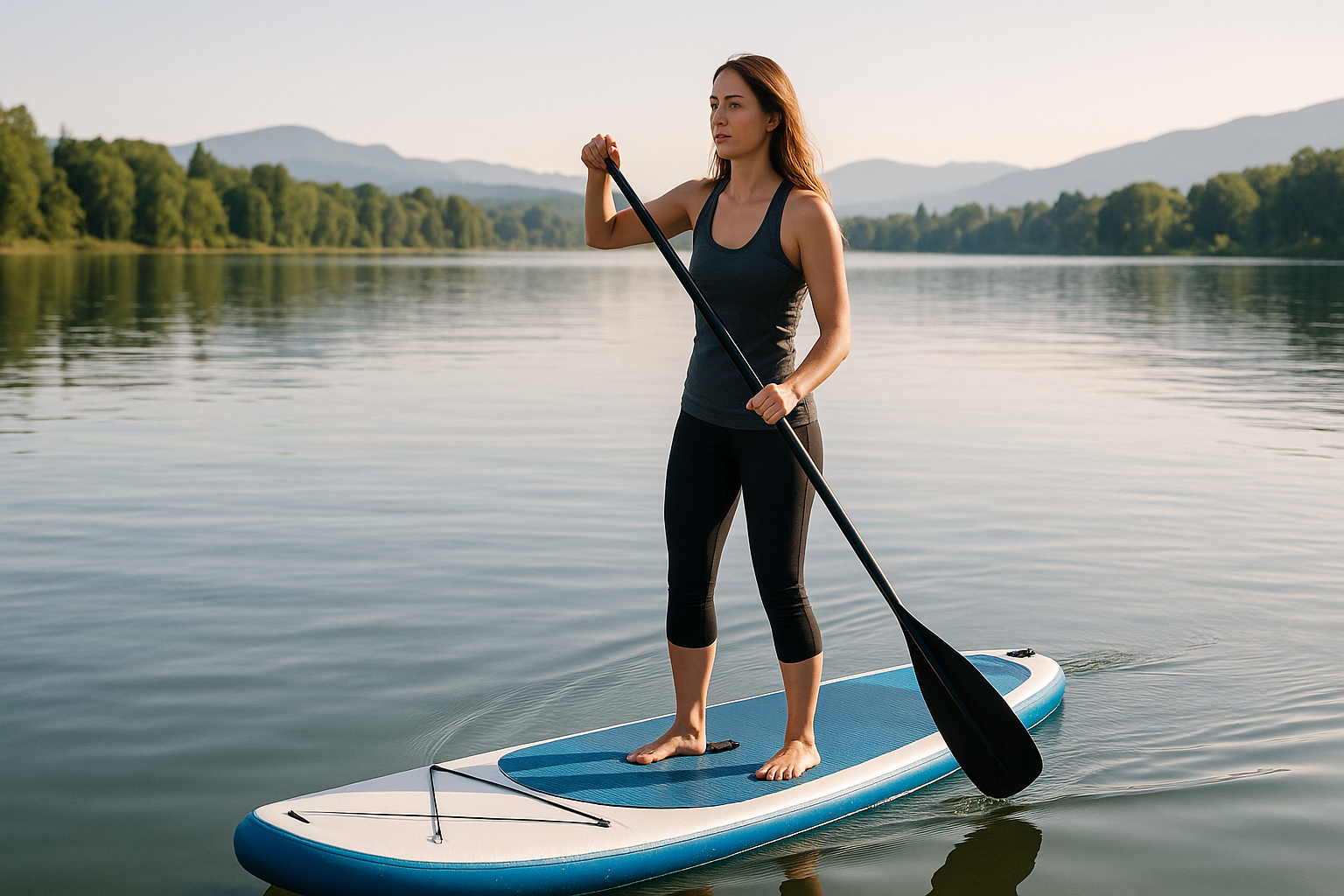 Stand Up Paddleboarding, commonly known as SUP, is an exhilarating water activity that blends aspects of both surfing and kayaking. Participants balance on a broad, stable board while propelling themselves forward with a paddle across various bodies of water, such as lakes, rivers, and oceans. It’s a fantastic way to stay fit while soaking in the serene beauty of nature.
There are numerous styles to explore within SUP, including:
- leisurely paddling for fun,
- competitive racing,
- scenic touring adventures,
- yoga sessions on the water.
This wide range of options makes it appealing to individuals with different skill sets. Whether you're part of a family outing or an adventure-seeker at heart, this adaptable sport has something for everyone.
If you're interested in giving Stand Up Paddleboarding a try, you'll need essential gear:
- a paddleboard—available in inflatable or solid forms,
- a paddle crafted from materials like aluminum or carbon fiber,
- and safety equipment such as life jackets.
The sport has recently surged in popularity around the globe due to its straightforward learning curve and impressive health benefits. Engaging in SUP can enhance your core strength, improve balance, and boost cardiovascular fitness.
As more people embrace this enjoyable pastime worldwide, Stand Up Paddleboarding has evolved into not just a leisure activity but also a competitive endeavor with events taking place all over the planet.
Definition of Stand Up Paddleboarding
Stand Up Paddleboarding, or SUP for short, is an exciting water sport that invites people to stand on a paddleboard and navigate various waterways using a paddle. This engaging activity not only boosts your balance and coordination but also allows you to soak up the great outdoors. Whether gliding across serene lakes, meandering through rivers, or riding ocean waves, there’s always something new to discover.
The design of the paddleboard is typically wide and stable, which makes it easier for everyone—from beginners to experienced paddlers—to maintain their footing while enjoying their time on the water. One of the best aspects of SUP is its versatility; it caters to:
- leisurely outings,
- fitness routines,
- competitive races.
Its straightforward nature attracts both those just starting out and seasoned pros alike. Ultimately, Stand Up Paddleboarding is about more than just moving across the water; it's a wonderful way to connect with nature while enhancing your physical well-being through an enjoyable yet rewarding challenge.
History and Origins of Stand Up Paddleboarding
Stand Up Paddleboarding (SUP) traces its roots back to Hawaii, where it first emerged as a method for surfers to ride waves and take in their surroundings. This early form of the sport, referred to as "beach boy surfing," involved paddling while standing on a surfboard. As time went on, SUP spread beyond Hawaiian shores and evolved into a popular global activity with various styles.
Interest in Stand Up Paddleboarding exploded in the early 2000s, drawing in enthusiasts from all walks of life. People are drawn to its versatility; some appreciate it as a leisurely pastime, while others thrive in competitive racing environments. Nowadays, SUP is celebrated not only as a fitness pursuit but also as an exhilarating way to navigate lakes, rivers, and oceans.
The rise of Stand Up Paddleboarding has given birth to several exciting sub-disciplines such as:
- SUP yoga,
- long-distance racing,
- SUP surfing,
- downwind racing,
- expedition paddling.
Today, countless events and competitions are held around the world, showcasing both the sport's widespread appeal and the strong sense of community among participants. With its blend of enjoyment and physical advantages—like enhanced balance and core strength—SUP continues to flourish across the globe.
Benefits of Stand Up Paddleboarding
Stand Up Paddleboarding (SUP) is an enjoyable activity that offers a wide range of benefits for individuals of all ages and fitness levels. One key advantage is the enhancement of core strength. When you balance on the paddleboard, your abdominal muscles engage, promoting stability and improving your posture.
Additionally, SUP serves as a fantastic way to boost cardiovascular health. The act of paddling provides an excellent aerobic workout, elevating your heart rate and increasing endurance. With consistent practice, you may notice significant improvements in heart health and stamina over time.
Another appealing aspect of Stand Up Paddleboarding is its low-impact nature. This quality makes it suitable for those who might prefer gentler exercise options. Participants can enjoy staying active without putting undue stress on their joints, making it a great choice for anyone recovering from injuries or looking for alternatives to high-impact sports.
Moreover, paddling offers a wonderful opportunity to connect with nature, which can greatly enhance mental well-being. Being outdoors helps lower stress levels and promotes relaxation. In this way, SUP not only provides a fun way to stay active but also nurtures emotional health by encouraging appreciation for the beautiful surroundings.
- enhances core strength,
- boosts cardiovascular health,
- provides a low-impact workout,
- promotes mental well-being,
- encourages appreciation for nature.
Altogether, these elements make Stand Up Paddleboarding an excellent holistic approach to fitness and overall wellness.
Types of Stand Up Paddleboards
Stand Up Paddleboards, commonly known as SUPs, come in a variety of styles designed to enhance different paddling experiences. Understanding these options will guide you in selecting the ideal board for your adventures.
- All-around boards are perfect for novices and those who prefer leisurely outings,
- their stability allows them to perform well in diverse water conditions,
- making them excellent companions for serene excursions on tranquil lakes or rivers.
- Touring boards are specifically designed for enthusiasts of long-distance exploration,
- typically longer and narrower than other types,
- they offer improved speed and tracking over extended journeys,
- allowing you to glide effortlessly while taking in breathtaking scenery across expansive waters.
- Surf SUPs are tailored for those drawn to the thrill of riding waves,
- with their shorter length and pointed nose,
- these boards excel in surf conditions,
- providing paddlers with enhanced maneuverability as they navigate the waves.
- Inflatable SUPs have gained popularity due to their convenience for transport and storage,
- you can easily deflate them and pack them into a compact size,
- simplifying travel arrangements,
- despite being inflatable, they remain robust when inflated,
- ideal for activities such as touring or practicing yoga on the water.
Each type of Stand Up Paddleboard offers unique benefits suited to specific activities—whether you're looking to relax on gentle waters or tackle challenging ocean waves with an inflatable option that seamlessly fits your lifestyle.
Inflatable vs Hard SUP
Inflatable and hard Stand-Up Paddleboards (SUPs) each bring their own set of advantages, catering to various paddler preferences.
Inflatable SUPs have gained popularity due to their remarkable portability. They can be easily deflated, rolled up, and tucked away in a compact bag, making them an excellent option for those with limited space or anyone looking to take their board on adventures. Surprisingly, many inflatable models are quite durable and resistant to punctures, allowing for peace of mind while enjoying the water.
On the other hand, hard SUPs excel in performance and stability when you're out paddling. Their solid construction enhances tracking and speed, making these boards a favorite among serious paddlers seeking efficient rides. Additionally, the rigidity of hard boards contributes to improved stability, providing a more responsive experience as you navigate through waves or choppy waters.
Ultimately, the decision between inflatable and hard SUPs hinges on your personal priorities—whether you value convenience for transport or superior performance on the water is what matters most for your paddling adventures.
Composite Paddleboards
Composite paddleboards, crafted from materials such as fiberglass and epoxy, are known for their remarkable durability and outstanding performance. These boards tend to appeal to seasoned paddlers due to their ability to enhance speed and stability on the water. Their lightweight yet robust design not only improves tracking but also boosts maneuverability, making them versatile for a variety of water conditions.
In the realm of stand-up paddleboard (SUP) materials, composite boards generally outshine inflatable ones in terms of:
- stiffness,
- responsiveness,
- stable platform underfoot,
- reduced drag,
- faster glide across the water.
While it’s true that composite boards may not be as portable as inflatable alternatives—since inflatables can be conveniently deflated and stored—composite paddleboards offer an exceptional paddling experience. They're especially favored by enthusiasts who partake in precise activities like touring or wave riding.
Selecting the right SUP construction plays a vital role in determining overall performance. By recognizing the benefits of composite paddleboards, paddlers can better choose equipment that aligns with their skill levels and specific pursuits.
Allround Inflatable Boards for Beginners and Families
All-around inflatable boards are an excellent choice for newcomers and families diving into stand-up paddleboarding (SUP). These adaptable boards offer a great mix of stability, user-friendliness, and versatility across various paddling environments. Their broad shape makes it easier for users to keep their balance while leisurely exploring serene lakes or gentle rivers, making them perfect for laid-back outings.
For families, these inflatable boards can accommodate several riders at once, allowing parents to enjoy paddling alongside their kids in comfort. Many designs come equipped with safety features like:
- non-slip surfaces,
- added width for extra stability.
These features are crucial for those just getting started. Plus, the inflatable nature means they are easy to transport and store; simply deflate the board after your adventure and tuck it away without hassle.
When selecting an all-around inflatable board for family fun, consider factors such as:
- weight capacity,
- board length (typically ranging from 10 to 12 feet),
- accessories included like paddles and safety equipment.
With the right all-around inflatable board in hand, beginners can quickly gain confidence on the water while creating cherished memories together as a family.
Choosing the Right Paddleboard
Choosing the perfect paddleboard is crucial for everyone, from novices to seasoned paddlers. The right board can significantly improve your experience on the water. To make an informed decision, it's important to take several factors into account:
- weight capacity,
- skill level,
- intended use,
- size.
Weight capacity plays a vital role in ensuring both safety and stability. Each paddleboard comes with a designated weight limit that should be adhered to in order to prevent mishaps while you’re out there paddling. If you find yourself on the heavier side or plan to bring along extra gear, it’s wise to opt for boards that support higher weights.
Your level of experience also influences your choice. For those just starting out, wider boards tend to offer more stability and better balance. All-around boards are often suggested since they perform well across various conditions, making them ideal for leisurely outings on calm waters.
Another consideration is how you intend to use your paddleboard. If fitness is your focus, look towards touring boards crafted for speed and longer distances. On the other hand, if you're more interested in riding waves, shorter surf SUPs are designed for enhanced maneuverability.
Paddleboards vary in size as well, typically ranging from 10 to 14 feet in length. Boards under 10 feet are generally easier to handle but might sacrifice some stability at higher speeds. Conversely, those exceeding 12 feet shine when it comes to straight-line performance but can be more challenging in confined spaces.
Ultimately, selecting a paddleboard involves thoughtful consideration of weight capacity, skill level, intended use, and dimensions. By reflecting on these aspects, you'll be better equipped to choose a board that perfectly aligns with your needs and elevates your stand-up paddleboarding (SUP) adventures.
Paddleboard Sizes and Weight Capacity
Selecting the right paddleboard size and understanding its weight limits are crucial for a safe and enjoyable stand-up paddleboarding (SUP) adventure. Paddleboards typically range from 8 to 14 feet in length, with various widths and thicknesses tailored to accommodate different paddler weights and skill levels.
For those just starting out, wider boards offer enhanced stability, making it easier to find your balance while you learn the ropes. All-around boards are excellent choices for leisurely paddling on calm waters or light surf. These versatile boards usually support weights between 225 and 300 pounds, which is ample for both the paddler and their gear.
If you're looking to embark on longer journeys, touring boards might be the perfect fit. Designed for distance, these boards tend to be narrower and longer—often measuring between 12 to 14 feet—enabling quicker speeds and improved tracking. With weight capacities that can surpass 400 pounds, they cater well to heavier paddlers or those wishing to bring along additional equipment.
When selecting a paddleboard, it's essential to consider:
- your own weight,
- any gear you'll be taking with you,
- the board's weight limit should exceed your total load by at least 10%.
This extra margin ensures stability and safety as you navigate through varying water conditions.
Understanding how paddleboard sizes correspond with their weight capacities can significantly enhance your SUP experience.
Paddleboard Design and Stability
Paddleboard design plays a vital role in determining the stability and overall performance of Stand Up Paddleboards (SUPs). A thoughtfully crafted paddleboard can significantly enhance a paddler's experience, making it essential to grasp how various designs influence usability.
Many paddlers gravitate towards wider boards because they offer remarkable stability. These models are particularly beneficial for beginners and casual users, helping them maintain their balance with ease, especially on calm waters or during leisurely excursions. For instance, boards that measure 30 inches or more in width create a sturdy platform that greatly reduces the likelihood of tipping over, making them ideal for families or newcomers to the sport.
Conversely, narrower paddleboards shine when it comes to speed and agility. Experienced paddlers aiming to race or tackle challenging conditions often opt for these sleeker designs. Typically ranging from 25 to 29 inches wide, they facilitate quick turns and efficient tracking across open water, although this may come at the expense of some stability.
The length of the board also plays a crucial role in its performance characteristics. Longer boards tend to glide effortlessly over distances and provide better tracking but may lack responsiveness in confined areas compared to their shorter counterparts. Therefore, when choosing a paddleboard, it’s important to evaluate both width and length according to your specific needs—prioritizing stability for recreational outings versus speed for competitive racing.
Additionally, the materials used in constructing paddleboards can affect their stability as well. Composite materials like fiberglass contribute stiffness and responsiveness that elevate performance on the water.
By understanding these design features, paddlers can make informed decisions tailored to their skill levels and preferences. This knowledge not only promotes an enjoyable experience on the water but also maximizes stability while using SUPs.
Paddleboard Materials and Construction
Paddleboards come in a variety of materials, each influencing their performance, longevity, and overall enjoyment. The two primary categories are inflatable boards and solid composite boards.
Inflatable paddleboards, commonly known as iSUPs, have gained immense popularity due to their convenience and easy storage. Crafted from high-quality PVC or similar substances, these boards can be deflated and neatly rolled up for transport. Despite being inflatable, many models boast impressive durability and resistance to punctures, making them ideal for casual outings on different water types.
On the other hand, solid composite paddleboards are constructed using fiberglass or epoxy resin. These boards excel in areas such as speed and stability. Their rigid structure enhances tracking in the water—an essential feature for extended paddling trips or competitive racing. As a result, composite paddleboards often attract seasoned paddlers who desire a more dynamic riding experience.
Each material type presents unique benefits tailored to various stand-up paddleboarding (SUP) activities:
- inflatable boards cater to families or recreational users seeking ease of use,
- composite options are designed for enthusiasts aiming for peak performance on the water.
When selecting a paddleboard based on its construction, consider your intended usage, transportation requirements, and skill level. By grasping the distinctions between inflatable and solid composite boards—and understanding how they’re built—paddlers can find equipment that aligns perfectly with their adventure aspirations.
Paddle Buying Guide
When selecting a paddle for stand-up paddleboarding (SUP), several key factors can greatly enhance your paddling experience.
Start with the length of the paddle. A general rule of thumb is to opt for one that stands 6 to 8 inches taller than your height. This measurement helps you reach effectively and paddle with ease. However, if you’re drawn to racing or seeking greater speed, you might want to consider a slightly longer option.
Next, take a moment to evaluate the material used in the paddle's construction. The most common choices include:
- aluminum paddles are economical and perfect for those on a budget, but they can be on the heavier side,
- fiberglass strikes a nice balance between strength and weight, making it a popular choice,
- carbon fiber may be worth the investment for something ultra-lightweight and robust despite its higher cost.
The shape of the blade is another crucial element that impacts your performance on the water. Consider the following:
- wider blades provide more power for recreational paddling enthusiasts,
- narrower blades allow for improved speed and efficiency—ideal for competitive racing scenarios.
Lastly, don’t overlook the importance of grip comfort and handle design. It’s vital that the grip feels comfortable in your hand during extended time on the water; this ensures an enjoyable experience from start to finish.
By keeping these considerations in mind while navigating this paddle purchasing guide, you’ll be well-equipped to find a SUP paddle that caters to your preferences and elevates your overall time spent on the water.
SUP Accessories and Gear
SUP accessories play a significant role in enhancing both the safety and enjoyment of your paddleboarding adventures. Key items to consider include:- leashes,
- personal flotation devices (PFDs),
- waterproof bags.
- quick-dry towels,
- sun protection gear,
- hydration packs.
Stand Up Paddleboarding Activities
Stand Up Paddleboarding (SUP) is a versatile sport that caters to various interests and skill levels, making it an exhilarating choice for many enthusiasts. From serene flat water paddling and competitive racing to surfing, yoga on the water, and even fishing, there's a little something for everyone.
Many newcomers start their SUP adventure with flat water paddling. This gentle introduction allows beginners to explore tranquil lakes or calm rivers while honing their balance and paddling techniques. The absence of waves or strong currents enables them to fully appreciate the beauty of nature while staying active.
For those who thrive on competition, SUP racing has surged in popularity recently. Competitions take place globally, drawing participants who navigate different distances across both calm and choppy waters. Racers utilize specially designed boards that enhance speed and performance during these exhilarating events.
SUP surfing offers an adrenaline rush as paddlers catch ocean waves while balancing on their boards. Although this thrilling activity demands practice and finesse, the joy of successfully riding the surf makes it all worthwhile.
Another fascinating aspect of Stand Up Paddleboarding is SUP yoga. Practicing yoga poses atop a paddleboard not only enhances balance and strength but also provides a unique opportunity to connect with nature. Many find that being surrounded by serene waters fosters greater mindfulness during their sessions.
Fishing from SUPs has also become a popular trend among anglers looking to access remote fishing locations without traditional boats. The stability offered by wider boards creates an effective platform for casting lines and reeling in fish, all while minimizing disturbances to aquatic ecosystems.
These varied activities within Stand Up Paddleboarding promote physical fitness while building social ties within paddler communities. Whether individuals seek relaxation or prefer high-octane competition, SUP truly offers something enjoyable for everyone out on the water.
Flat Water Paddling
Flat water paddling offers a wonderful opportunity for beginners to immerse themselves in nature. This enjoyable activity typically takes place on serene waters, such as tranquil lakes or gentle rivers, allowing paddlers to experience the calm without the challenge of waves or strong currents.
For those new to the sport, flat water paddling serves as an excellent gateway into stand-up paddleboarding (SUP). It not only fosters essential skills like balance and coordination but also treats participants to stunning vistas along the way. The stability provided by wider boards helps beginners maintain their footing, which in turn enhances their confidence while navigating the water.
Beyond being accessible for novices, flat water paddling is a fantastic low-impact workout that promotes overall fitness. As you glide across smooth surfaces, you engage various muscle groups, boosting core strength and supporting cardiovascular health. This makes it an appealing choice for anyone seeking a gentle yet effective exercise routine amidst peaceful surroundings.
Additionally, these calm environments are ideal for leisurely outings with family or friends. Whether you're envisioning a relaxing day at the lake or an enjoyable trip down a serene river, such settings can easily accommodate several riders. Families have the chance to create cherished memories together as they explore the beauty of nature from their paddleboards.
Flat water paddling presents a fulfilling experience that combines physical activity with relaxation in breathtaking natural landscapes. It's easy to see why this style of SUP has become popular among newcomers eager to embrace its soothing benefits while honing their paddling techniques.
SUP Surfing
SUP surfing, short for Stand Up Paddle surfing, beautifully blends the essence of traditional surfing with the art of paddleboarding. This thrilling water sport invites participants to ride ocean waves while standing on a stable paddleboard, using a paddle not only for propulsion but also to maintain balance. Unlike conventional surfing, where one relies solely on the energy of the waves, SUP surfers harness their paddles to navigate and enhance their performance.
To excel in SUP surfing, it's essential to possess solid balance and coordination. Many enthusiasts begin their journey by honing their skills in calm waters before progressing to more challenging surf conditions. This gradual approach fosters confidence and helps refine techniques without the added difficulty of waves.
One of the remarkable aspects of SUP surfing is its adaptability; it caters to a wide range of skill levels. Beginners can easily learn how to catch smaller waves, while seasoned surfers might showcase impressive tricks. Moreover, this sport can be enjoyed in diverse environments—whether it's:
- oceans,
- serene lakes,
- meandering rivers.
The surge in popularity surrounding SUP surfing can be attributed not only to its fun factor but also to its numerous health advantages. Engaging in this vibrant activity:
- strengthens your core muscles,
- enhances cardiovascular fitness,
- immerses you in nature's beauty.
With the right equipment—a paddleboard specifically designed for wave riding—participants can fully embrace this dynamic experience and reap physical rewards.
In essence, SUP surfing melds excitement with fitness, making it an ideal choice for anyone seeking adventure on the water. Whether you're gliding effortlessly over gentle swells or testing your limits against more challenging breaks, this sport promises endless enjoyment and opportunities for personal development.
SUP Yoga
SUP yoga merges the soothing aspects of traditional yoga with the excitement of paddleboarding, creating a practice that enhances both physical fitness and mental health. Practicing yoga on a stand-up paddleboard allows for a unique connection to nature while simultaneously boosting balance and strength.
This refreshing workout takes place on tranquil waters, where the gentle swaying of the board promotes stability and mindfulness. Many enthusiasts discover that this peaceful setting heightens their concentration, resulting in deeper relaxation and an enhanced sense of tranquility during each session.
One significant advantage of SUP yoga is its effectiveness in strengthening your core. As you maintain various poses while balancing on the water, you actively engage your abdominal muscles, which contributes to improved overall stability. Additionally, this practice encourages flexibility through stretches that are amplified by the unstable surface beneath you.
Furthermore, SUP yoga offers a fantastic cardiovascular workout. Paddling out to find just the right spot for your session elevates your heart rate and builds endurance. This combination transforms SUP yoga into more than just a fitness activity; it becomes a comprehensive approach to well-being.
Participants also cherish how SUP yoga nurtures a profound connection with nature. Surrounded by water, wildlife, and breathtaking landscapes fosters mindfulness and alleviates stress levels. The calming sounds of water paired with fresh air creates an ideal atmosphere for self-reflection and finding inner peace.
Ultimately, SUP yoga not only provides numerous physical benefits but also sharpens mental clarity through its seamless blend of movement and immersion in nature. Its growing popularity reflects a desire among individuals seeking innovative ways to enhance their wellness journey while appreciating the beauty of the great outdoors.
Fishing with SUPs
Fishing from a Stand Up Paddleboard (SUP) offers anglers a unique vantage point and the chance to explore secluded fishing areas that traditional boats often miss. This method not only enriches the fishing adventure but also fosters a deeper connection with nature, providing a tranquil setting for landing your catch. If you’re considering trying out SUP fishing, equipping yourself with the right gear is essential. A stable paddleboard is crucial; opting for wider boards enhances stability, making it easier to cast and reel in your fish. Inflatable boards are excellent choices due to their portability and ease of storage, while solid composite boards excel in tracking and performance on the water. Don’t overlook the importance of a dependable paddle. Look for one that balances lightweight design with durability to withstand the rigors of fishing. It's also wise to use a leash to keep your board close at hand if you happen to fall off during casting or while battling a fish.Here are some practical techniques to elevate your SUP fishing experience:
- casting techniques: try various casting styles tailored for standing up; sidearm casts tend to be more effective than overhead ones,
- positioning: make use of wind and current by positioning your board strategically before you start fishing,
- quiet approach: when nearing promising spots, move slowly and quietly to avoid alarming nearby fish.
Racing and Touring
Racing and touring in stand-up paddleboarding (SUP) attract seasoned paddlers eager to take on challenges over longer distances. The right boards, designed for speed and efficiency, are essential in these pursuits, enabling participants to glide effortlessly while optimizing their performance.
During races, paddlers go head-to-head or against the clock using sleek boards that enhance their velocity. These streamlined boards typically feature:
- a pointed nose,
- a narrower shape,
- improved tracking,
- minimized drag.
For instance, top SUP racers often opt for boards ranging from 12 to 14 feet in length to secure an edge during competitions.
On the other hand, touring emphasizes the joy of exploring expansive waterways at a more relaxed pace. Touring boards tend to be:
- longer,
- wider,
- more stable,
- spacious enough for gear.
This type of board is ideal for those who relish scenic journeys across lakes or rivers while immersing themselves in nature’s splendor.
Both racing and touring demand specific techniques that differ from casual paddling. Paddlers must work on:
- building endurance,
- crafting pacing strategies,
- effectively managing energy throughout longer stretches.
Engaging in these activities not only enhances physical fitness but also nurtures camaraderie among SUP enthusiasts as they exchange experiences on the water.
Whether you're drawn to competitive racing or laid-back touring adventures, grasping the specialized equipment and techniques involved can greatly elevate your overall SUP experience and enjoyment.
Whitewater SUP
Whitewater SUP, or stand-up paddleboarding in fast-moving waters, offers an exhilarating way to embrace the sport. It tests your skills and endurance as you navigate through rapids and swift currents, making it ideal for those who seek a thrilling adventure.
Before embarking on a whitewater journey, it's important for participants to be well-versed in basic paddleboarding techniques. Essential skills include:
- executing efficient paddling strokes,
- maintaining balance,
- quickly maneuvering the board amidst unpredictable conditions.
Safety plays a vital role in whitewater SUP. Wearing appropriate gear—such as helmets and personal flotation devices (PFDs)—is crucial. Moreover, paddlers should remain vigilant about their surroundings and have a solid understanding of river dynamics to minimize risks while tackling rapids.
Equipment designed specifically for whitewater usually has shorter lengths that enhance control and stability. These boards often feature reinforced edges to withstand collisions with rocks or debris typically encountered in fast currents.
Engaging in whitewater SUP not only enhances physical fitness by building strength, coordination, and cardiovascular health but also fosters mental resilience through quick decision-making under pressure. As this exciting facet of stand-up paddleboarding gains popularity, it attracts adventure enthusiasts eager to explore nature's challenging waterways while enjoying the thrill of paddling at its most dynamic level.
Safety and Regulations
Safety is paramount when it comes to Stand Up Paddleboarding (SUP). It allows enthusiasts to relish their time on the water while significantly reducing risks. Whether you're a novice or an experienced paddler, familiarizing yourself with local safety regulations and adopting best practices is vital.
A fundamental safety measure is the use of a personal flotation device (PFD). In many regions, wearing one isn't just wise; it's often mandated by law. PFDs are designed to keep you buoyant if you unexpectedly find yourself in the water. They come in various styles, including vests and belts, ensuring comfort as you paddle.
In addition to donning a PFD, it's crucial to be aware of local paddleboarding regulations. These guidelines might dictate which waterways are appropriate for SUP activities, impose speed limits, and outline restrictions based on weather conditions. Furthermore, knowing right-of-way rules helps facilitate safe interactions with other vessels.
Being conscious of your surroundings plays a significant role in ensuring safety while paddleboarding. This includes:
- being alert to fellow paddlers,
- swimmers,
- boaters,
- potential hazards such as rocks,
- swift currents.
Always check the weather forecast before you set out; sudden changes can lead to perilous situations on the water.
Using a leash is another smart recommendation—it keeps your board close at hand if you happen to fall off. This simple accessory minimizes the chances of losing your equipment or getting separated from it during choppy waters.
By following these safety guidelines and embracing best practices—such as wearing a personal flotation device and staying vigilant about local rules and environmental factors—paddlers can enhance their enjoyment while partaking in the thrilling sport of Stand Up Paddleboarding.
Personal Flotation Devices (PFD)
Personal flotation devices (PFDs) play a crucial role in ensuring safety for anyone engaging in stand-up paddleboarding (SUP). These devices help keep users buoyant, significantly reducing the risk of drowning should someone unexpectedly find themselves in the water. In many regions, wearing a PFD is not merely advisable; it’s often mandated by law, particularly in open waters where conditions can shift rapidly.
There are various types of PFDs available, including vests and belts, each catering to different preferences and activities:
- vests are favored for their comprehensive coverage and comfort during extended paddling sessions,
- inflatable belts offer a sleeker option, appealing to those who prefer a more streamlined experience while on the water.
The importance of donning a PFD cannot be overstated. Research indicates that many drownings occur when individuals fail to use appropriate flotation devices. Moreover, having a PFD within reach enhances overall safety by equipping paddlers for unexpected emergencies.
When selecting a personal flotation device for your paddleboarding adventures, it’s essential to think about factors such as:
- fit and comfort,
- freedom of movement while ensuring safety,
- Coast Guard approval to confirm it meets necessary safety regulations.
Incorporating personal flotation devices into your SUP routine is fundamental for boosting on-water safety. By prioritizing this essential gear—alongside other precautions like using a leash and staying informed about local laws—paddleboarders can fully enjoy their experiences with peace of mind.
Safety Regulations for Stand Up Paddleboarding
Safety regulations for stand-up paddleboarding (SUP) play a crucial role in ensuring the well-being of everyone enjoying the water. While these rules can differ based on location and local laws, certain guidelines tend to be universally applicable for most paddlers.
One of the primary requirements is wearing a personal flotation device (PFD). In many regions, it's mandatory for paddlers to have a PFD on, particularly in open waters where conditions may shift unexpectedly. These devices are available in various styles—ranging from vests to inflatable belts—allowing users to choose what they find most comfortable.
In addition, some locations mandate the use of leashes. A leash serves as a vital attachment between you and your paddleboard, ensuring it remains within reach if you happen to fall off. This simple piece of gear helps prevent your board from drifting away in rough waters or strong currents.
Being informed about local SUP regulations is essential for safe enjoyment on the water. These guidelines might include:
- designated areas for paddleboarding,
- established speed limits,
- restrictions during adverse weather conditions like high winds or storms,
- right-of-way protocols for safer interactions with other watercraft.
Moreover, staying vigilant about environmental hazards enhances safety while paddleboarding. Paddlers should watch out for:
- fellow enthusiasts,
- swimmers,
- boats,
- potential dangers such as rocks,
- rapidly flowing currents.
By adhering to these safety regulations and best practices—like wearing a PFD and using a leash—paddleboarders can fully enjoy their time on the water while minimizing risks.
Best Practices for Safe Paddleboarding
For a fun and safe paddleboarding adventure, it’s crucial to adopt some essential practices. Wearing a personal flotation device (PFD) is vital. This piece of safety equipment can keep you buoyant if you happen to fall into the water, significantly lowering the chances of drowning. In many regions, not only is it advisable to wear a PFD, but it’s frequently mandated by law.
Before you set out on your journey, take a moment to check the weather forecast. Unexpected changes can create risky situations on the water. By staying updated on the conditions, you'll be better equipped to make informed decisions about your paddling plans.
Another key guideline is to paddle alongside a buddy. Having someone with you means there's assistance available in case of an emergency, enhancing overall safety during your outing. Additionally, staying vigilant about your surroundings is imperative; watch for other paddlers, swimmers, boats, and any potential dangers like rocks or swift currents to reduce risks.
Using a leash can also prove advantageous as it keeps you connected to your board. If you do fall off, this handy accessory prevents your board from drifting away and ensures that all your gear remains close at hand during unexpected moments.
By embracing these best practices:
- wearing PFDs,
- checking weather forecasts,
- paddling with a companion,
- being aware of your environment,
- utilizing leashes.
You’ll be well on your way to enjoying stand-up paddleboarding while prioritizing safety on the water.
Paddleboarding Experiences and Adventures
Paddleboarding opens the door to a variety of adventures suitable for everyone, from novices to seasoned paddlers. Whether your preference leans towards serene lake excursions or thrilling ocean paddles, there's an abundance of choices waiting for you. Numerous locations offer paddleboarding packages that encompass gear rentals, guided tours, and lessons designed for all levels of experience.
For those seeking a peaceful outing, gliding across calm lakes provides the perfect opportunity to immerse yourself in nature while enjoying the gentle sway of the water. Guided tours often showcase stunning landscapes and fascinating local wildlife, deepening your connection to the great outdoors.
Conversely, more adventurous souls can take on coastal routes or rivers with flowing currents. These excursions might involve multi-day trips where participants camp along scenic shorelines or embark on early morning journeys that reward them with breathtaking sunrises.
Paddleboarding packages are particularly appealing to families or groups eager to create lasting memories together. Rentals typically include paddleboards suited for various activities—be it practicing yoga on the water's surface or engaging in fitness-oriented paddles that enhance strength and endurance.
Recent trends indicate a remarkable rise in paddleboarding's popularity; over 3 million individuals in the U.S. participate in Stand-Up Paddleboarding (SUP) each year. This increase is attributed not only to its health advantages but also its accessibility, making it an ideal option for anyone looking to embrace outdoor fun.
Ultimately, whether you're aiming for a relaxing day on the water or craving exhilarating challenges, paddleboarding experiences promise unforgettable moments and foster a sense of community among those who share your passion for adventure.
Paddleboarding Packages and Rentals
Paddleboarding packages offer an amazing chance to experience Stand Up Paddleboarding (SUP), catering to everyone from novices to seasoned paddlers. Typically, these packages come with everything you need, including:
- equipment rental,
- lessons,
- guided tours.
This thoughtful combination not only makes exploring various locations enjoyable but also prioritizes your safety.
When browsing paddleboarding rentals, you'll discover a range of boards tailored for different activities. For instance:
- All-around boards are perfect for leisurely paddling on tranquil waters,
- Touring boards excel for those aiming to cover longer distances at increased speeds while maintaining better tracking,
- many rental options also feature inflatable SUPs that are both portable and convenient—making them a great choice for families or individuals with limited storage.
Rental companies often create all-inclusive packages that encompass board hire along with essential safety gear like personal flotation devices (PFDs) and leashes. This ensures that everyone is equipped to enjoy their time on the water safely. Additionally, lessons can boost beginners' confidence in their abilities before they venture out independently.
For adventure seekers, the guided tours included in paddleboarding packages showcase breathtaking landscapes and local wildlife while providing fascinating insights into the area's ecology. These experiences not only enhance physical fitness but also strengthen your connection with nature.
Ultimately, paddleboarding rentals present an excellent way to jump into this thrilling sport without the immediate expense of purchasing your own gear. Whether planning a fun family outing or seeking an outdoor fitness challenge, these packages cater to the diverse needs and skill levels within the vibrant community of SUP enthusiasts.
Paddleboarding Schools and Tutorials
Paddleboarding schools cater to individuals at every skill level, offering a fantastic opportunity to master and enhance Stand Up Paddleboarding (SUP) techniques. With a diverse array of lessons available, you can find everything from introductory sessions that teach the basics to advanced training for seasoned paddlers eager to polish their skills.
Instructors focus on key elements throughout each class, including:
- balance,
- stroke efficiency,
- safety.
Beginners will learn crucial concepts such as:
- proper positioning on the board,
- effective paddling techniques,
- how to navigate different water conditions.
This foundational knowledge is essential for ensuring a safe and enjoyable experience out on the water.
Moreover, many paddleboarding schools integrate fitness into their curriculum. They highlight the importance of:
- building core strength,
- promoting overall health.
Participants can look forward to dynamic sessions that not only teach paddling but also foster a deeper connection with nature.
For those interested in competitive aspects of SUP, specialized workshops are often available to enhance speed and racing strategies. Many schools also organize events and competitions where participants can challenge themselves against others while receiving constructive feedback from experienced instructors.
Joining a paddleboarding school or participating in SUP tutorials can greatly boost your confidence and skills in this exciting sport. Whether you're aiming for casual outings or preparing for competitive racing, these educational experiences are incredibly valuable for anyone looking to immerse themselves in the world of Stand Up Paddleboarding.
Paddleboarding Expeditions
Paddleboarding adventures offer thrilling chances for exploration and excitement. They guide paddlers through stunning landscapes and distinctive waterways, making these outings enjoyable for everyone—from beginners to seasoned enthusiasts.
On these excursions, participants can:
- meander through tranquil lakes,
- navigate twisting rivers,
- ride exhilarating ocean swells.
Paddleboarding caters to a variety of preferences. Whether you seek a peaceful glide on gentle waters or crave the challenge of rougher waves, there’s an experience waiting just for you.
Many guided tours enhance the paddleboarding journey by supplying essential gear and safety equipment. These organized trips also highlight local wildlife and breathtaking views. With expert instructors on hand, you'll receive valuable tips on paddling techniques and safety measures to ensure your adventure is both secure and enjoyable.
Beyond the thrill of the sport, paddleboarding fosters physical fitness as it engages core muscles while enhancing balance and coordination. As you traverse different environments, you'll enjoy a full-body workout combined with the calming effects of nature all around you.
For those yearning for extended escapades, some expeditions include overnight camping along beautiful shorelines. This immersive experience allows paddleboarders to forge a deeper connection with their surroundings while embracing the spirit of adventure.
Ultimately, paddleboarding excursions are an exciting way to explore enchanting waterways while gaining health benefits from physical activity. Whether you're in search of relaxation or adrenaline-pumping challenges, these experiences promise unforgettable moments on the water.
SUP Brands and Products
The stand-up paddleboard (SUP) market has seen impressive growth, appealing to a diverse range of enthusiasts. Today, numerous brands provide innovative designs for boards, paddles, and accessories that elevate the entire paddleboarding experience.
Among the leading names in this space are Red Paddle Co., BIC Sport, Naish, and Starboard. These companies produce top-notch boards suited for various activities including leisurely paddling, competitive racing, surfing, and even yoga.
Paddleboard products are generally categorized into a few distinct types:
- Inflatable Paddleboards: known for their portability and convenient storage options, inflatable boards have gained popularity. Brands like iRocker and Atoll focus on crafting sturdy inflatable models that withstand rigorous use while ensuring superb performance on the water.
- Solid Paddleboards: constructed from materials like fiberglass or epoxy, solid boards offer remarkable stability and speed. They're favored by both dedicated paddlers and competitors alike. Companies such as SIC Maui and BOTE feature a selection of solid boards engineered for peak performance.
- Paddles: selecting the right paddle is essential for mastering an efficient stroke technique. Available in various materials ranging from aluminum to carbon fiber, premium choices from brands like Werner or KIALOA emphasize lightweight designs that enhance paddling efficiency.
- Accessories: necessary gear—including leashes, personal flotation devices (PFDs), waterproof bags, and quick-dry towels—plays a vital role in ensuring a safe paddling adventure. Brands like NRS provide an extensive array of safety equipment tailored to meet different users' requirements.
The surge in paddleboard sales indicates not only an increase in participants but also highlights technological advancements that enrich experiences across all skill levels—from novices enjoying relaxed outings to seasoned athletes engaging in high-stakes competitions.
This flourishing landscape of SUP brands and products offers countless options for enthusiasts eager to elevate their paddleboarding journeys with high-quality gear designed specifically for their unique needs.
Popular SUP Brands We Stock
When it comes to stand-up paddleboarding (SUP), well-known brands are essential for providing high-quality gear that caters to various paddling preferences. Our collection features trusted names celebrated for their performance and innovative designs within the SUP community.
One brand that shines is Red Paddle Co., renowned for their inflatable paddleboards that expertly combine portability and strength. This unique blend makes them a top choice among travelers and casual paddlers alike. Their boards prioritize stability and user-friendliness, making them an excellent option not only for beginners but also for experienced paddlers eager to navigate different waterways.
BIC Sport is another highly regarded name in the industry, offering a diverse range of sturdy paddleboards designed with speed and tracking in mind. Competitive athletes often gravitate towards their products due to the premium materials used, which guarantee exceptional performance and durability on the water.
Naish has carved out its niche as a frontrunner in creating versatile paddleboards perfect for both surfing enthusiasts and recreational paddlers. Their cutting-edge designs cater to various water conditions, attracting adventurers ready to tackle ocean waves or enjoy peaceful lake outings.
Starboard distinguishes itself through its commitment to eco-friendly practices in crafting high-performance SUPs. Their dedication to sustainability resonates with environmentally aware consumers while ensuring exceptional quality across their board selection.
In addition to these brands, we also stock essential SUP accessories from manufacturers like Werner and KIALOA. These companies produce lightweight paddles crafted from top-tier materials that significantly enhance your experience on the water.
With such a variety of popular SUP brands at your disposal, enthusiasts can confidently choose equipment tailored to their skill level and intended activities—whether they're looking for leisurely adventures or aiming for competitive races.
Paddleboard Sales and Promotions
Paddleboard sales and promotional events present an excellent opportunity for both novices and seasoned paddlers to acquire equipment at attractive prices. These occasions often feature substantial discounts, making it more accessible for anyone interested in the exciting world of stand-up paddleboarding (SUP) to embark on their journey. Retailers commonly host seasonal sales, holiday specials, or clearance events where shoppers can discover a wide range of paddleboards, paddles, and accessories at reduced rates.
Many online retailers also offer unique deals that might include perks like:
- free shipping,
- bundled packages with essential items such as personal flotation devices (PFDs) and leashes.
Participating in these sales not only provides shoppers with the chance to save money but also encourages them to invest in high-quality gear that enhances their overall experience on the water.
For instance, during the summer months—when enthusiasm for water sports peaks—major retailers frequently launch promotional events featuring:
- various brands and styles,
- portable inflatable boards,
- high-performance hardboards.
This variety allows consumers to easily compare their options.
Moreover, local paddleboarding shops may host community gatherings or demo days where prospective buyers can:
- test different models,
- make informed decisions.
This hands-on approach is invaluable as it enables individuals to find the board that best suits their paddling style and preferences.
Staying informed about paddleboard sales and promotions not only helps enthusiasts make wise purchases but also strengthens their bond with the vibrant SUP community.
Paddleboard Delivery Options
The delivery options for paddleboards are crucial in ensuring that enthusiasts receive their equipment swiftly and conveniently. Nowadays, numerous retailers provide an array of delivery services tailored to the needs of both novice and seasoned paddlers.
When searching for a paddleboard, it's essential to consider the various delivery methods offered by different stores. You’ll often find choices such as:
- standard shipping, which is generally the most economical choice, taking a few days to arrive,
- express delivery, ideal for those eager to hit the water right away, as it ensures you get your paddleboard without any unnecessary delays,
- local pickup, allowing customers to grab their paddleboards directly from the store, which helps save on shipping fees and gives you the chance to inspect your board before bringing it home.
Moreover, some retailers enhance the shopping experience by offering additional services like assembly or setup assistance upon pickup or delivery. These extra touches can significantly boost customer satisfaction, making it easier for you to dive into your adventures with minimal hassle.
If renting sounds more appealing than buying, paddleboard rental companies usually provide flexible delivery alternatives too. They might deliver rental packages right to your doorstep or drop them off at well-known paddling locations nearby.
By considering these diverse paddleboard delivery options, you can ensure a seamless purchasing process and get closer to enjoying this exciting outdoor activity.